
Northern Japan faced a fresh wave of concern after a magnitude 6.1 earthquake struck Hokkaido early Monday, shaking a region already under pressure from spreading wildfires and large-scale evacuations. The quake was recorded at 5:24am local time, about 18 kilometres west of Sarabetsu, at a depth of roughly 81 kilometres, according to the U.S. Geological Survey.
There were no immediate reports of deaths or major damage from the tremor, but the timing added to the anxiety across northern communities. The earthquake followed a stronger magnitude 7.7 offshore quake a week earlier, which briefly triggered tsunami warnings and evacuation advisories for around 170,000 people along coastal areas.
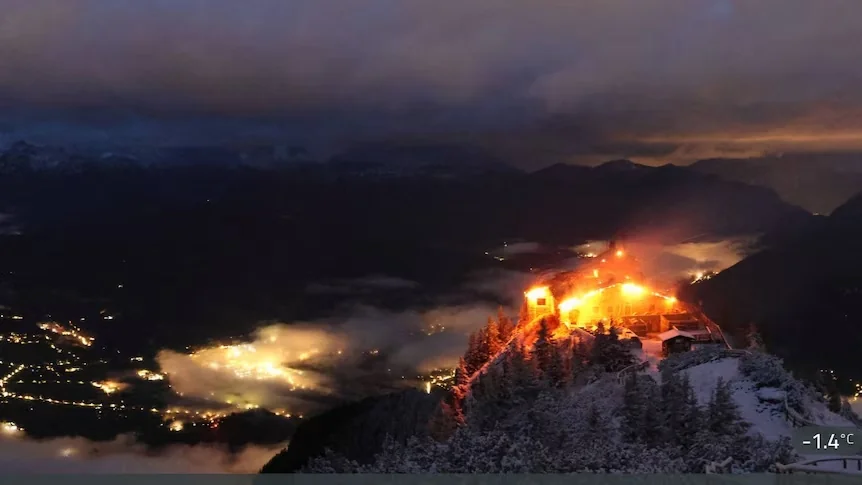
Monday’s quake did not produce the same level of alarm, yet it came at a difficult moment for emergency teams. Fire crews in northern Japan are already fighting several wildfires that have burned through large areas of forest and mountain terrain, threatening residential districts in the coastal town of Otsuchi.
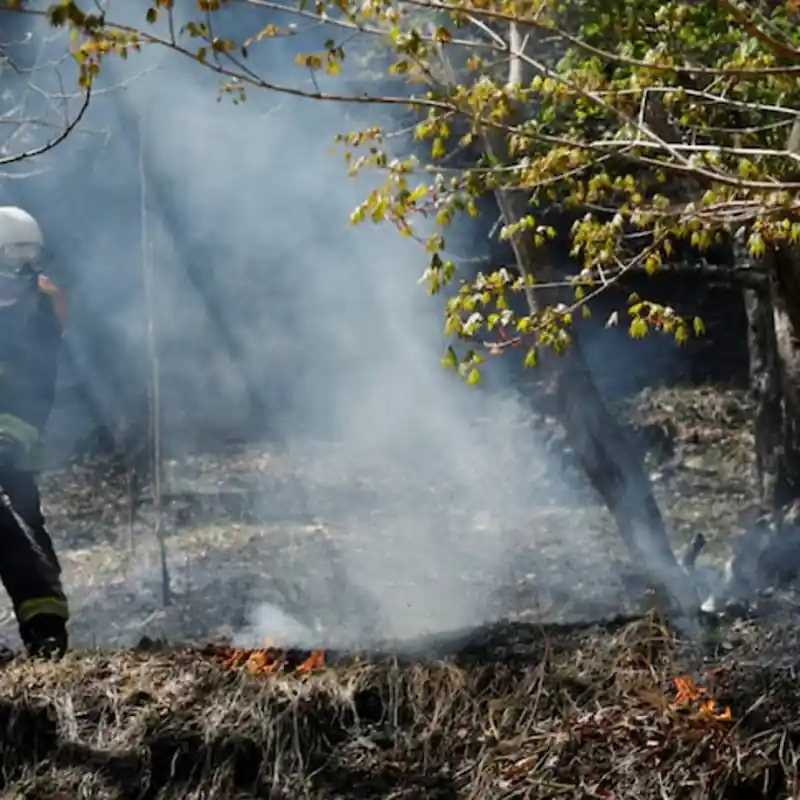
Authorities have deployed around 1,400 firefighters, along with Self-Defense Force personnel, as crews work from both the ground and air to slow the flames. Helicopters have been dropping water over burning hillsides, while firefighters attempt to protect homes and prevent the fire from pushing deeper into populated areas.
The Otsuchi blaze has become the main focus of the emergency response. By Sunday morning, the burned area had expanded to about 1,373 hectares, marking a 7 percent increase from the previous day. Dry weather and strong winds have made the fire difficult to control, allowing flames to spread quickly across mountain slopes and forested areas.
The situation widened further when two additional wildfires broke out on Sunday in Kitakata city and Nagaoka. Those outbreaks raised concerns that firefighting resources could be stretched as local authorities move crews and equipment between affected areas.
In Otsuchi, evacuation orders have been expanded to cover 1,558 households, affecting 3,257 residents. That represents roughly one-third of the town’s population. Officials have urged people in risk zones to leave quickly and follow local guidance as conditions remain unpredictable.
A magnitude 6.1 earthquake struck the Tokachi region of Hokkaido, Japan on Monday, with a focal depth of approximately 80 kilometers.
— Global Times (@globaltimesnews) April 27, 2026
Given the recent frequent earthquakes in the consular jurisdiction, the Chinese Consulate General in Sapporo reminds Chinese citizens in the… pic.twitter.com/YNKJC8CYcg
The evacuation effort carries emotional weight for Otsuchi. The town was among the communities deeply scarred by the March 2011 earthquake and tsunami, losing nearly a tenth of its population in one of Japan’s worst modern disasters. For many residents, the sight of smoke over nearby hills has revived painful memories of past emergencies.
Some locals have tried to defend their properties by spraying water around homes, gardens and nearby vegetation. Others have left for shelters with limited certainty about when they will be allowed to return. One reported minor injury has been linked to the evacuations after a person fell at an emergency shelter, according to Japan’s Fire and Disaster Management Agency.
Local officials say the fire remains difficult to contain because of dry, windy conditions. Otsuchi Mayor Kozo Hirano said aerial firefighting efforts are continuing, but the weather has helped the flames expand. Rain is expected in parts of Iwate prefecture’s southern coastal region, which could bring some relief if it reaches the fire zones.
The cause of the Otsuchi fire is still under investigation. Japan does not typically experience wildfires on the same scale as countries such as the United States, Australia or parts of southern Europe, but changing weather patterns have made early spring fire conditions more dangerous. Warmer temperatures, lower humidity and stronger winds can dry out vegetation before the humid rainy season arrives.
The latest earthquake and wildfires show how multiple hazards can overlap, forcing authorities to respond to different threats at the same time. A quake that causes little direct damage can still complicate evacuation planning, emergency logistics and public confidence when fires are already advancing near homes.
Japan remains one of the world’s most prepared countries for earthquakes, with strict building codes, regular drills and advanced warning systems. Even so, the growing pressure from climate-linked wildfire risks adds a newer challenge to the country’s disaster planning. Communities now face not only seismic danger but also fire conditions that can shift rapidly with wind and weather.
For now, officials are focused on keeping residents safe, protecting homes and monitoring aftershocks or further seismic activity. Fire crews remain active across affected areas, while local governments continue to update evacuation orders as the situation develops.
The events in northern Japan underline a broader reality for disaster-prone regions: emergencies rarely happen in isolation. A moderate earthquake, a spreading wildfire and difficult weather can combine to create a larger crisis, testing the strength of emergency systems and the resilience of communities already shaped by past disasters.
More related disaster and climate coverage can be found on Swikblog.
You may like: Alice Springs Mystery: Police Search for Key Man in Missing 5-Year-Old Case

Make Swikblog your go-to source on Google for reliable updates, smart insights, and daily trends.