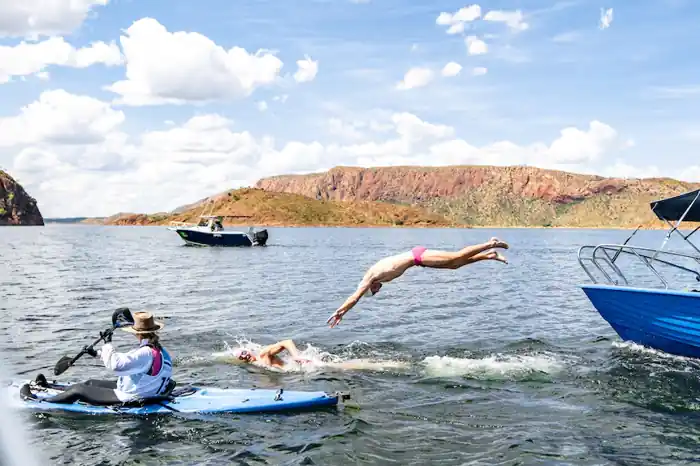

More than 400 swimmers entered Western Australia’s Lake Argyle over the weekend, turning what could have been a cancelled event into a powerful display of resilience after a crocodile bite incident forced organisers to rethink the race at the last minute.
The Lake Argyle Swim, a popular endurance event in WA’s far north, went ahead on Saturday despite four people being bitten by a suspected freshwater crocodile just a day earlier. The incident unfolded near the Hicks Passage area, where a group swimming from a houseboat encountered the animal in what quickly became a serious situation.
A man in his 60s suffered the most severe injuries and was airlifted nearly 3,000 kilometres to Royal Perth Hospital. He was later confirmed to be in stable condition with non-life-threatening injuries. Three others were also bitten while attempting to assist him, highlighting how quickly such encounters can escalate in open water.
For organisers, the incident triggered immediate action. Rather than calling off the event, the race route was altered to avoid the affected zone. The 20-kilometre course was redesigned overnight, and additional safety boats and support teams were deployed across the lake.
Event manager Glenn Taylor said the priority was clear from the outset—protect swimmers while allowing the event to continue if it could be done safely. All teams were informed about the route change in advance, and the response from participants was striking: not a single swimmer pulled out.
That decision reflects the unique nature of Lake Argyle itself. The massive freshwater lake near Kununurra is home to an estimated 35,000 freshwater crocodiles. While that figure may sound alarming, it is widely understood among locals and experienced swimmers that these crocodiles—often called “freshies”—are generally less aggressive than saltwater crocodiles.
Still, they remain wild animals. Freshwater crocodiles can bite when provoked or disturbed, and the latest incident is a reminder that even familiar environments carry risks. According to Australia’s official crocodile safety advice, maintaining awareness and respecting natural habitats is essential when entering waterways in northern regions.
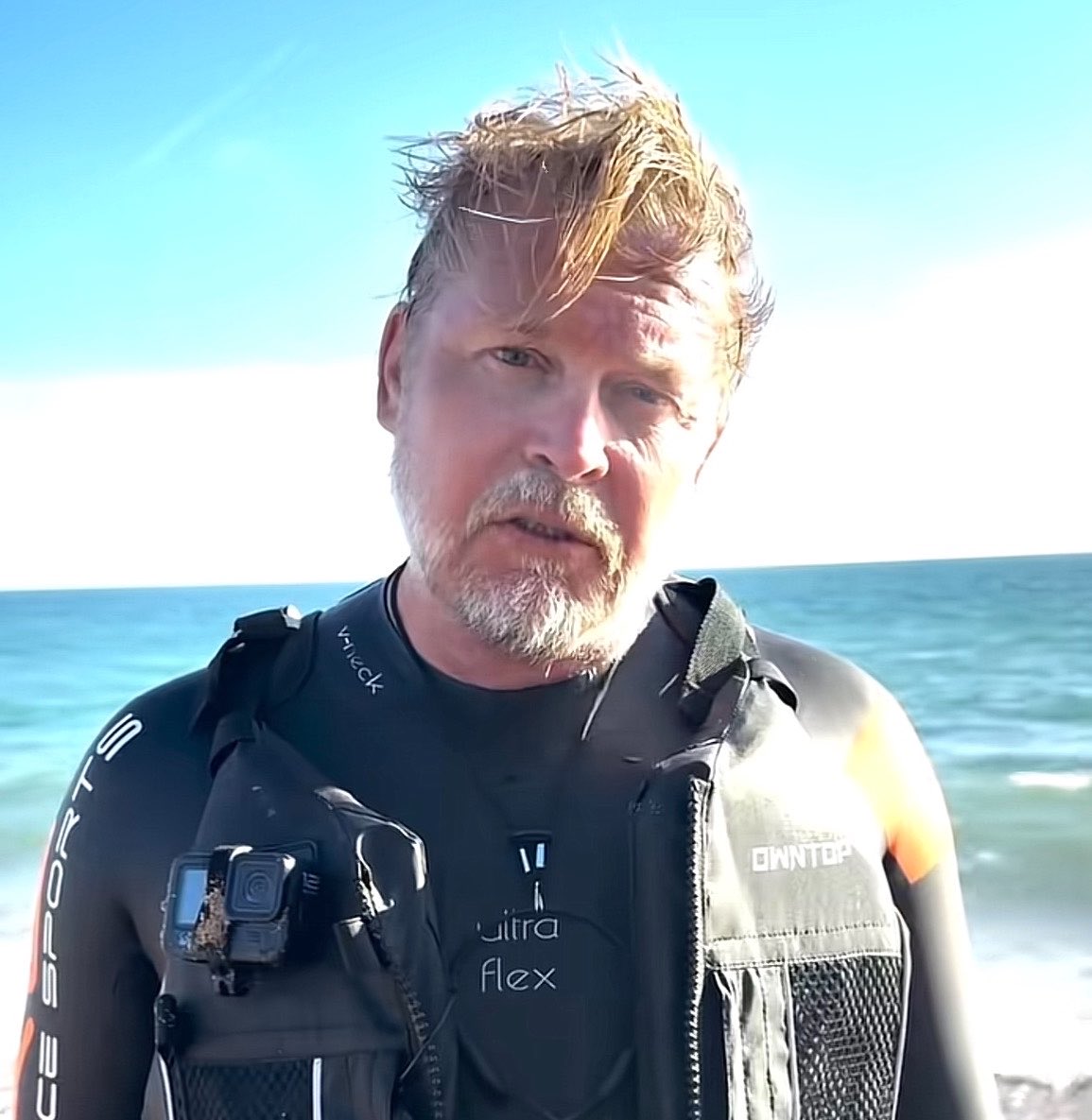
Among competitors, the mood was calm rather than fearful. Ultra swimmer Andy Donaldson, who recently set a world record with a 55-kilometre swim, said the presence of crocodiles is always somewhere in the back of an athlete’s mind. However, he credited the extensive safety setup—boats, spotters, and crews—for giving him confidence throughout the race.
Read More
- Visit Swikblog Homepage
- Etihad A380 Toronto Flight Diverts to Munich After Medical Emergency
- Delta Cancels 400 Flights and Delays 1,000 Amid Staffing Issues
- Foxconn Satellite Launches on SpaceX Falcon 9
- Pokémon x Target Collection With 100 Items Set for June 6 Release
- Pittsburgh Marathon 2026 Results: Will Loevner and Jane Bareikis Win
Local swimmer Ben “Broady” Broadwith offered a more grounded perspective. Having trained in Lake Argyle for over a decade, he described it as a place of comfort rather than concern. For many locals, the lake is not just a race venue but a regular training ground, especially when other facilities are limited.
Teams travelling from northern Australia shared a similar mindset. Swimmers from Darwin, accustomed to waterways where crocodiles are part of the ecosystem, approached the event with confidence. One team even broke a record in the 20-kilometre quad category, turning a tense weekend into a sporting success.
The event has also sparked broader conversations about risk and adventure. Open-water swimming is inherently unpredictable. Unlike controlled environments, natural settings bring variables that cannot be eliminated—only managed. Weather conditions, fatigue, visibility, and wildlife all play a role.
In recent years, interest in endurance sports has grown rapidly, with more athletes seeking challenges that go beyond traditional formats. Events like the Lake Argyle Swim highlight both the appeal and the responsibility that comes with such experiences. As explored in more outdoor and adventure coverage on SwikBlog, the balance between thrill and safety continues to shape how these events evolve.
Authorities have since confirmed that monitoring of the lake will continue. The Department of Biodiversity, Conservation and Attractions is conducting patrols and keeping a close watch on crocodile activity in the area. Their involvement is a key part of ensuring that public safety and environmental preservation go hand in hand.
The incident also adds to a growing list of reminders about the realities of Lake Argyle. A swimmer suffered serious leg injuries in 2022, and there have been recent reports of animals narrowly escaping attacks near the water. While such events are rare, they reinforce the need for vigilance.
What stands out from this weekend is not just the crocodile encounter, but how the situation was handled. The quick rerouting of the course, clear communication with participants, and strong safety presence allowed the event to continue without further incidents.
For many swimmers, the race became more than just a competition. It was a test of trust—in the organisers, in the safety systems, and in their own preparation. The fact that all 400 participants chose to enter the water speaks volumes about that confidence.
Lake Argyle remains one of Australia’s most unique sporting venues, offering both beauty and challenge in equal measure. The events of this weekend serve as a reminder that while nature cannot be controlled, it can be respected—and with the right approach, even its risks can be navigated.

Make Swikblog your go-to source on Google for reliable updates, smart insights, and daily trends.