Greenland’s capital, Nuuk, was hit by a city-wide power outage on Sunday after an accident affected the local electricity system, leaving homes, businesses and public services without power. Utility crews began restoration work as officials focused first on stabilising the grid and then identifying the exact fault.
Nuuk is Greenland’s largest city and the centre of government, transport and daily services for much of the territory. A blackout there can quickly affect heating, communications, shops, public buildings and basic routines, especially during the winter months.
The incident also showed why reliable electricity is critical in remote northern communities. In places where weather, distance and limited backup links can slow repairs, even a short failure can create wider disruption. For more updates on major public service disruptions, visit the latest news updates.
What happened in Nuuk
The outage spread across the city and left many residents without lighting, heating support and internet access. Some buildings were able to keep operating with backup generators, while others had to wait for supply to return.
Mobile phones became one of the main ways people looked for information, though connectivity was also affected in parts of the city. In a blackout, communication can become difficult because mobile networks, routers and payment systems all depend on electricity.
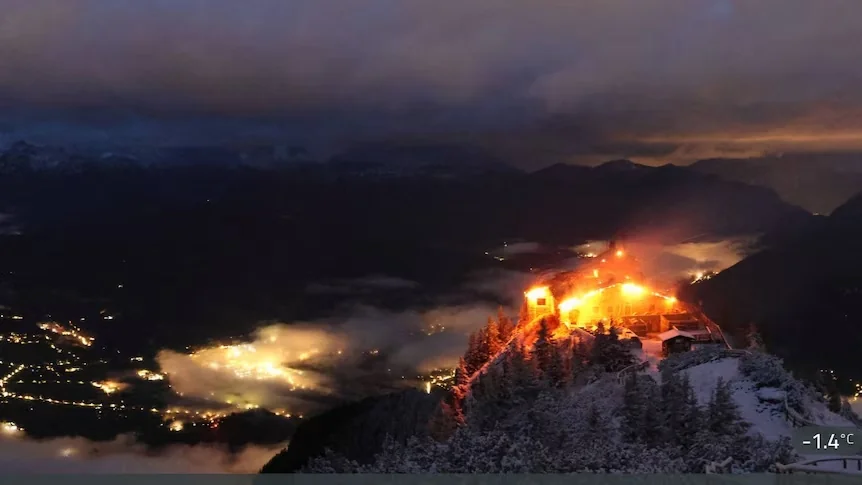
Video shows the moment Greenland’s capital, Nuuk, was hit by a city-wide power outage. The cause is unknown. pic.twitter.com/CfnRRCidGP
— BNO News Live (@BNODesk) January 25, 2026
Why the outage caused concern
Power failures are especially serious in Arctic areas because electricity supports more than convenience. It helps keep homes warm, protects food storage, supports water and building systems, and allows emergency information to reach the public.
Greenland’s geography also makes resilience more complicated. Communities are spread across difficult terrain, and energy systems often do not have the same level of backup routes found in larger cities. When equipment fails, engineers must restore power carefully to avoid further damage.
What officials have confirmed: The outage affected the city, the cause was described as an accident within the power system, and restoration work focused first on bringing electricity back safely before a full technical review.
Restoration and investigation
Authorities said the incident was not linked to wider political developments. The immediate priority was to restore stable electricity, support essential services and assess which part of the system failed.
After major outages, investigators typically review equipment, operating data and transmission links to understand whether the failure came from a damaged component, system overload, human error or another technical problem.
The outage was a reminder that power security is central to daily life in Greenland’s capital. In an Arctic city, electricity is closely tied to heating, safety, communications and public confidence during harsh weather conditions.
Further verified details about the incident are available in this Reuters report on the Nuuk power outage.
As supply returned, the focus shifted from emergency response to understanding how the failure happened and what can be done to reduce the chance of another city-wide disruption.