
The shooting at Teotihuacán has unsettled travelers far beyond Mexico because it happened in a place most visitors associate with history, culture and daylight safety, not the kind of sudden public violence more commonly linked to city streets or criminal conflict zones. On April 20, that sense of security was shattered when a gunman opened fire from the Pyramid of the Moon, killing a Canadian woman and injuring at least 13 other visitors in one of the most shocking attacks ever reported at the ancient complex outside Mexico City.
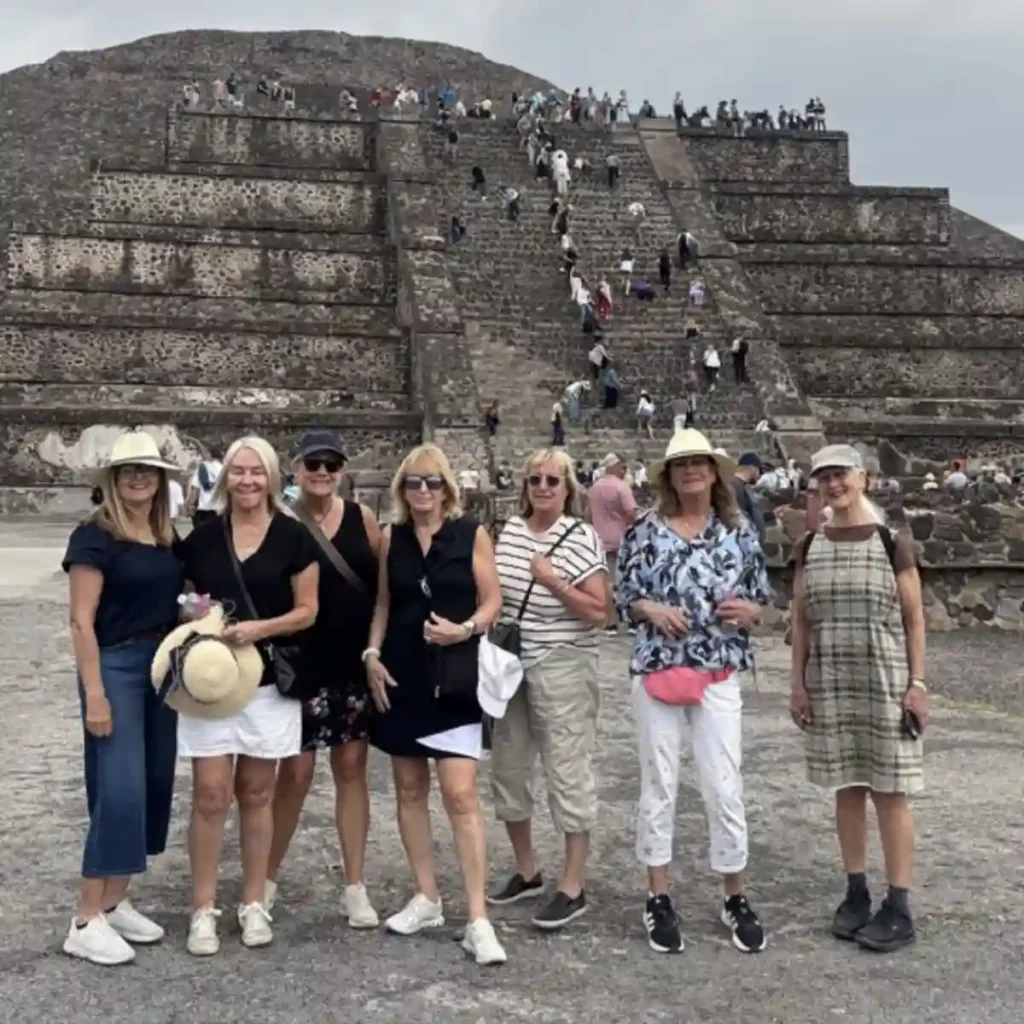
Teotihuacán is not just another tourist stop. It is one of Mexico’s best-known archaeological sites and a destination that draws visitors from around the world who come to climb the pyramids, walk the Avenue of the Dead and experience a place central to the story of Mesoamerican civilization. That is part of what made the attack so jarring. This was not violence on the margins. It unfolded at one of the country’s most recognizable heritage landmarks, in broad daylight, in front of families and international tour groups.
What witnesses describe is not only tragedy but confusion. Some people initially struggled to understand what they were hearing. Then the panic spread. Tourists began rushing down stone steps, guides yelled for groups to run, and people dove for cover or fled toward open ground and parking areas. Several of the injured were not only hit by gunfire but also hurt while trying to escape the scene in seconds that felt far longer than they were.
Why the Teotihuacán shooting feels different
Mexican authorities say the gunman acted alone, and that distinction matters. In a country where international headlines often frame violence through the lens of cartel activity, officials were quick to say this case did not appear to follow that pattern. Investigators instead pointed to signs of planning, erratic behavior and material that suggested fascination with past mass killings outside Mexico. That has shifted the conversation from organized criminal violence to something many people in Mexico view as less familiar and in some ways more unnerving: the lone attacker driven by personal fixation, grievance or imitation.
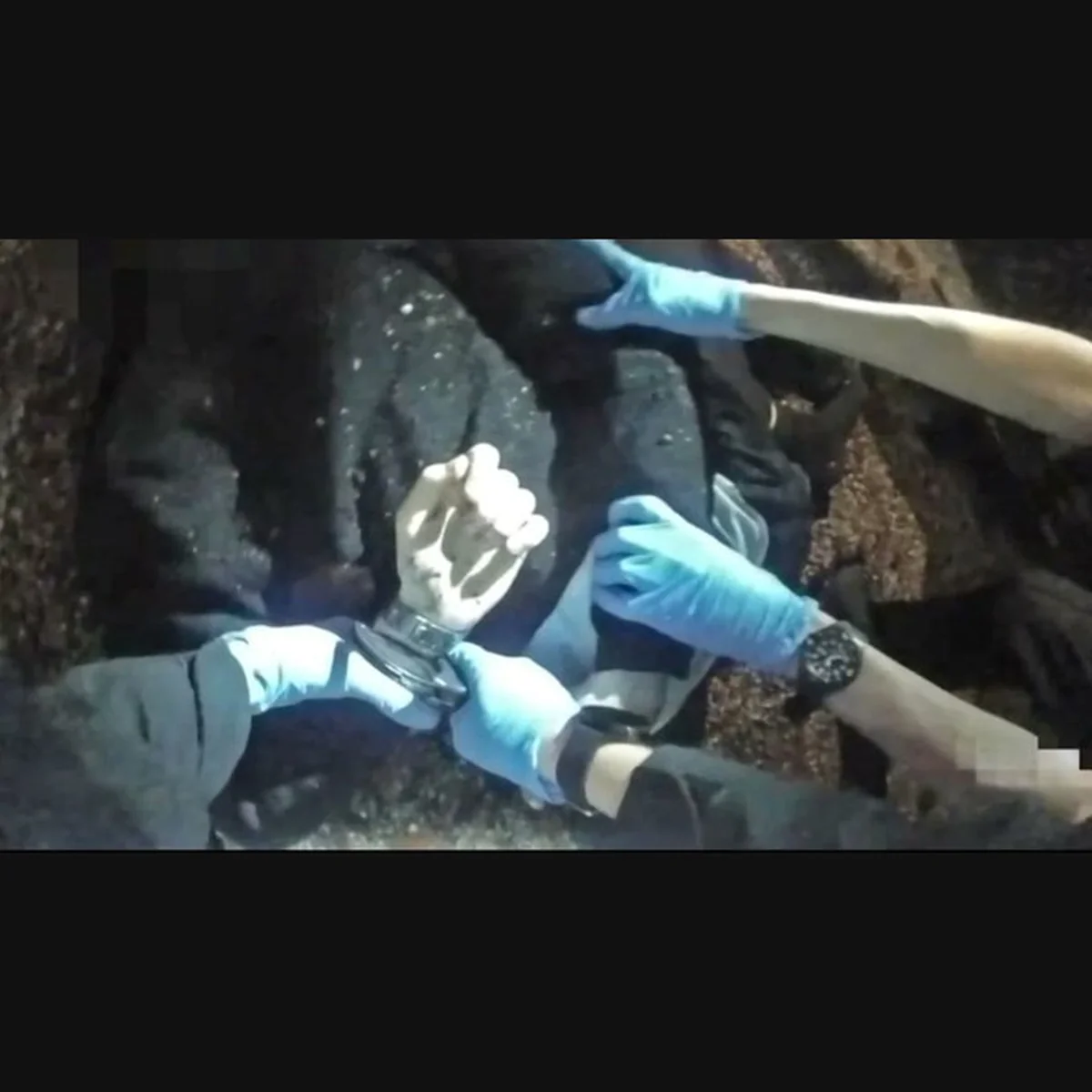
According to officials, the suspect was a 27-year-old Mexican man who had arrived in the area a day earlier and later climbed the Pyramid of the Moon armed with a revolver and ammunition. Witnesses said the attack seemed random and relentless. Some reported hearing him rant, while others said he appeared to fire in different directions as visitors tried to hide on terraces and stairways. Authorities later said he died from a self-inflicted gunshot wound after being cornered.
That sequence has left behind difficult questions. How was he able to reach such a crowded monument armed? Were there warning signs at the site beforehand? Could faster screening, surveillance or ground patrols have interrupted the attack sooner? These are now practical questions, not theoretical ones, because the shooting exposed a clear vulnerability at a location long marketed as both culturally important and visitor-friendly.
The victims came from several countries, which immediately made the incident an international story. One Canadian woman was killed, while the wounded included foreign visitors from countries such as the United States, Brazil, Russia, the Netherlands and Colombia. Mexican officials said the injured were in stable condition, but the emotional damage will almost certainly last much longer than the physical treatment timeline. One of the most haunting details to emerge was a tourist photograph taken moments before the attack in which the gunman could reportedly be seen in the background. Images like that often stay with the public because they freeze the final seconds before ordinary life is broken apart.
Security pressure grows ahead of the 2026 World Cup
The timing of the shooting has made the fallout even more serious. Mexico is preparing to co-host the 2026 FIFA World Cup, an event that will bring a huge number of international visitors and global media attention. Any deadly attack at a major tourist landmark so close to the tournament naturally raises broader concerns about readiness, crowd security and visitor confidence. Even if this was an isolated act, governments do not get to treat it that way in public perception. A single incident at a symbolic site can influence how travelers assess risk across an entire destination.
That is why Mexican authorities moved quickly to promise tighter security not only at Teotihuacán but at other tourist locations as well. Officials have spoken about stronger patrol presence, closer monitoring and broader preventive measures. Those steps may reassure some travelers, but the government’s bigger challenge is restoring trust without sounding defensive. Visitors want to know that lessons are being learned from what happened, especially at heritage sites where the physical layout can make rapid evacuation difficult.
For Canada, the attack also became a consular and political issue because a Canadian citizen was killed. The tragedy prompted condolences from Ottawa and renewed attention to travel safety communication. Travelers looking for official updates can check the Government of Canada travel advice and advisories page, which remains one of the most reliable sources for destination-specific guidance and risk information.
At the same time, incidents like this should not erase the larger context. Millions of people visit Mexico every year without experiencing anything close to this. Teotihuacán itself has long been considered a standard excursion for travelers spending time in Mexico City. That is exactly why the shooting stands out: it violated the expectations attached to a place widely seen as stable, heavily visited and culturally protected. In tourism, perception often changes not because danger is constant, but because one shocking event resets what people think is possible.
There is also a deeper cultural loss in what happened. Teotihuacán is visited not simply for leisure but for memory, education and awe. People go there to connect with a civilization that shaped the region centuries before modern borders and headlines. When violence intrudes into such a place, the damage goes beyond casualties and security reviews. It alters how the site is imagined. A place once pictured mainly through sunlit stone, family photos and guided tours is now linked, at least for a time, with emergency sirens, running crowds and forensic investigation.
That is why the aftermath matters as much as the event itself. If the official response is transparent, practical and visibly serious, Teotihuacán may remain what it has long been: one of the essential cultural destinations in the Americas. If not, the shooting risks becoming more than a grim anomaly. It could become a case study in how quickly confidence can crack at even the most celebrated travel landmarks.
Also read: World Cup 2026 Ticket Sales Enter Final Phase as Demand Surges Globally

Make Swikblog your go-to source on Google for reliable updates, smart insights, and daily trends.