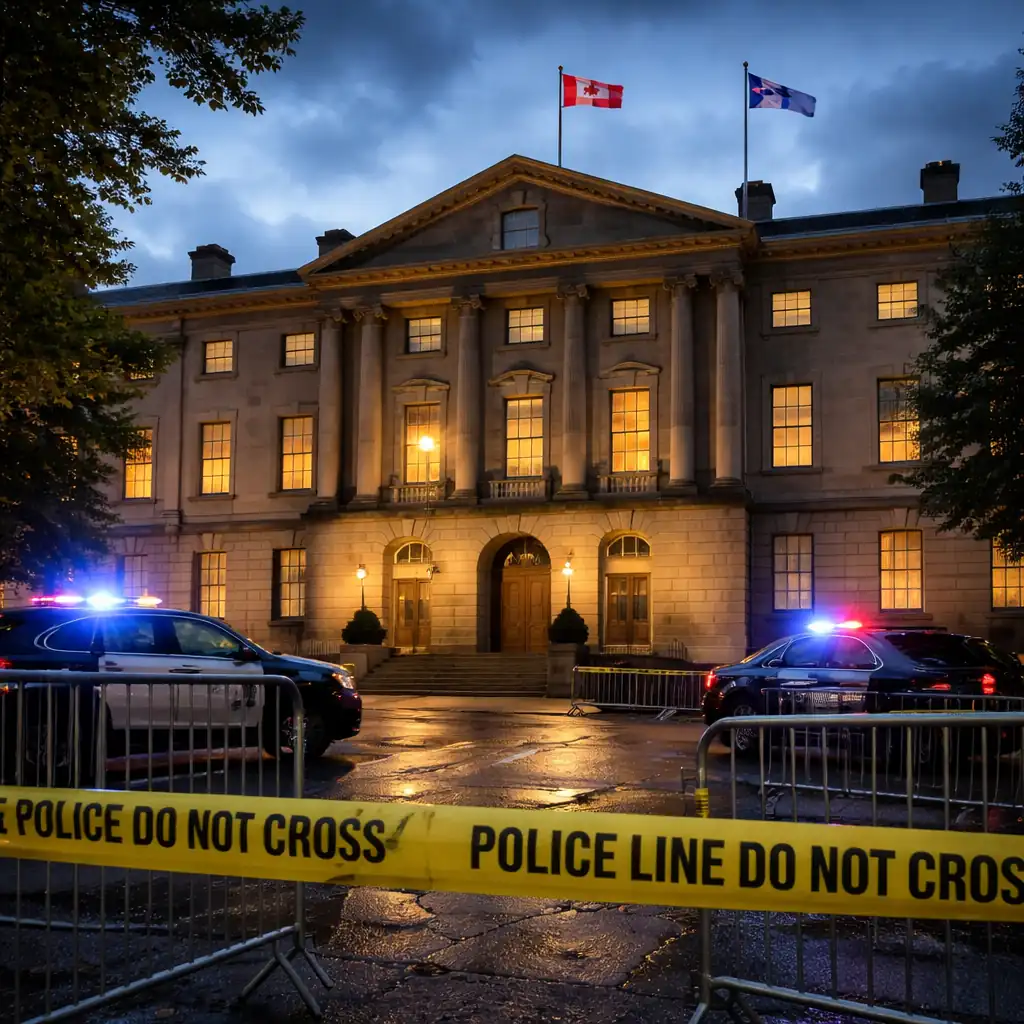

In a dramatic turn of events that has captured national attention, the Nova Scotia Legislature has been closed to the public for the remainder of the week after a protest inside the gallery brought proceedings to a standstill and halted the final vote on the government’s budget bill. The unexpected disruption has intensified political tensions in the province, highlighting growing backlash against controversial spending cuts and raising concerns about security and public access inside one of Canada’s key legislative institutions.
The decision to shut down public access was announced Wednesday by the Speaker’s office, which cited not only the protest but also a series of “security incidents throughout this sitting.” As a result, Province House, its surrounding grounds, and committee rooms — including those in One Government Place — are now closed to visitors, marking a rare and significant restriction on public participation in legislative proceedings.
What Happened Inside the Legislature
The disruption unfolded late Tuesday evening, just moments before the final vote on the bill that would authorize the government’s spending plan. Approximately 45 individuals seated in the public gallery suddenly broke into song, creating a loud and sustained interruption. The protest lasted for about 15 minutes, with some participants also shouting toward Members of the Legislative Assembly (MLAs).
With the clock nearing midnight and the chamber unable to proceed in an orderly manner, Speaker Danielle Barkhouse made the decision to adjourn the sitting before the vote could take place. The move effectively delayed the passage of the budget and turned what might have been a routine legislative step into a major political flashpoint.
The unusual nature of the protest — singing rather than chanting or physical disruption — drew widespread attention, but its impact was undeniable. By stopping the vote at such a critical moment, protesters ensured that their concerns would dominate headlines and force an immediate response from legislative authorities.
Why the Legislature Was Closed
In a statement released Wednesday, the Speaker’s office made it clear that the closure was aimed at preventing further disruptions. The restrictions were described as necessary “to ensure no further obstructions to the House’s proceedings,” signaling that maintaining order and continuity had become a top priority.
Under the new rules:
- Only MLAs, accredited media, and essential staff are allowed inside Province House.
- Caucus, government, and House staff retain access.
- Committee meetings are closed to the public.
- Only scheduled presenters may attend committee sessions.
While legislative work continues, the absence of public observers marks a significant shift in how proceedings are being conducted, even if temporarily. Citizens who wish to follow debates and decisions must now rely on online streams rather than in-person attendance. Updates and live coverage remain available via the official Nova Scotia Legislature website.
$300 Million Cuts Spark Growing Backlash
At the heart of the unrest is the province’s latest budget, introduced by the Progressive Conservative government last month. The plan includes more than $300 million in spending cuts this year as Nova Scotia grapples with a projected $1.24 billion deficit.
While the government has framed the cuts as necessary for fiscal stability, critics argue they could have serious consequences for public services and vulnerable communities. The scale of the reductions has made the budget one of the most controversial in recent years, setting the stage for protests both inside and outside the legislature.
For many observers, Tuesday night’s disruption was not an isolated incident but the culmination of weeks of mounting frustration. The budget debate has evolved beyond policy disagreement into a broader conflict over priorities, fairness, and the social impact of austerity measures.
Earlier Tensions and Security Concerns
Importantly, the events leading to the closure did not begin with Tuesday’s protest. Earlier this month, Speaker Barkhouse had already introduced restrictions on public access to certain areas within the legislature, including the library, the red room, and the entrance to the legislative chamber.
At the time, the Speaker stated that the decision was not tied to any single incident. However, the move came just one day after a group confronted African Nova Scotian Affairs Minister Twila Grosse inside the building. That group raised concerns about proposed budget cuts that would affect scholarship programs for Black and African Nova Scotian students.
These earlier developments now appear to be part of a pattern of increasing tension, suggesting that the legislature had already been dealing with heightened emotions and security challenges prior to the gallery protest.
Impact on Democracy and Public Access
The temporary closure of Province House has sparked debate about the balance between maintaining order and ensuring democratic access. Legislative galleries are traditionally open to the public as a way of promoting transparency and allowing citizens to witness the decision-making process firsthand.
By restricting access, authorities aim to prevent further disruptions, but the move also raises questions about how governments should respond when public dissent enters formal political spaces. Critics may argue that limiting access could distance citizens from the democratic process, while supporters contend that uninterrupted proceedings are essential for governance.
As discussions continue, the situation in Nova Scotia may become a case study in how legislatures across Canada handle protests, security concerns, and controversial policy decisions.
What Happens Next
The Speaker’s office has confirmed that the closure will be reviewed at the end of the week, leaving open the possibility that public access could be restored soon. Until then, lawmakers will continue their work behind closed doors, with the budget bill still awaiting final approval.
The coming days will be critical. If tensions ease, the legislature may return to normal operations. However, if public dissatisfaction over the budget continues to grow, further disruptions or extended restrictions cannot be ruled out.
For now, Nova Scotia remains at the center of a rapidly evolving political story — one where fiscal policy, public protest, and democratic access have collided in a way that few could have predicted. More detailed coverage of the unfolding situation can be followed through CBC Nova Scotia News.

Make Swikblog your go-to source on Google for reliable updates, smart insights, and daily trends.