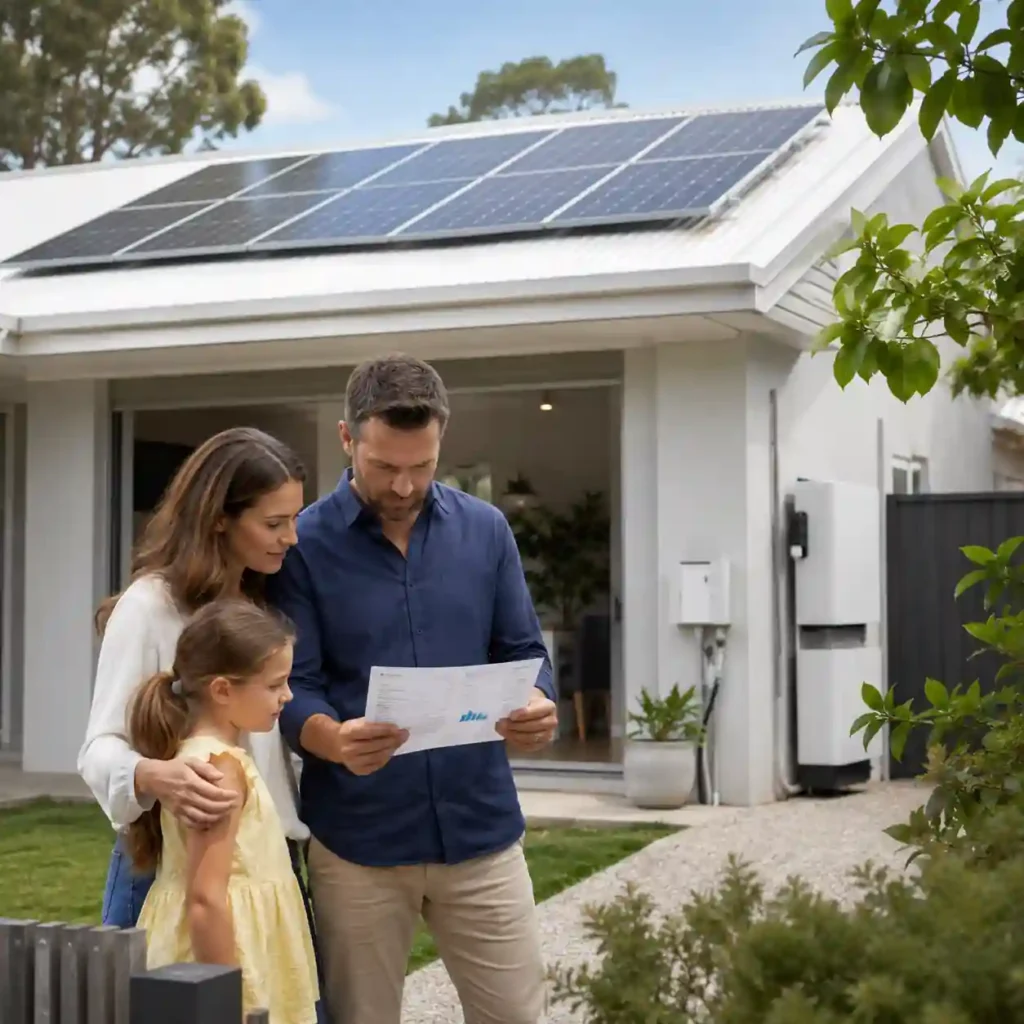

New South Wales homeowners could soon gain access to one of the state’s largest household energy finance programs, with the Minns government unveiling plans for interest-free loans of up to A$15,000 to help families install solar panels, batteries and other energy-saving upgrades.
The initiative forms part of a broader A$557 million Home Energy Saver Program aimed at reducing electricity costs, improving home energy efficiency and accelerating the adoption of cleaner technologies. While rebates have traditionally been the main tool used to encourage solar uptake, NSW is taking a different approach by helping households spread the cost of upgrades over a decade without paying interest.
The announcement arrives as Australia’s energy landscape continues to shift. Increasing rooftop solar generation is already changing how electricity is priced and consumed, with developments such as free daytime electricity powered by excess solar generation highlighting the growing role of renewable energy in household power bills.
What Is the NSW $15,000 Interest-Free Energy Loan Scheme?
The proposed scheme would allow eligible households to access loans of up to A$15,000 for approved home energy improvements. Unlike traditional financing products, the loans would carry no interest and could be repaid over 10 years.
The program is designed to tackle one of the biggest barriers preventing households from upgrading their homes: upfront cost. While solar panels and batteries can generate savings over time, many families struggle to fund installation costs that can run into thousands of dollars.
Under the current proposal, eligible upgrades are expected to include rooftop solar systems, home batteries, insulation, draught-proofing, reverse-cycle air conditioning, ceiling fans and switchboard upgrades.
Who Could Be Eligible?
Based on currently reported details, the scheme is expected to target low- and middle-income households, with combined household incomes of up to A$210,000 potentially qualifying for support.
Additional assistance may also be available for lower-income households. Reports indicate households earning less than A$80,000 annually, along with eligible concession card holders, could receive extra discounts worth up to A$4,000.
Final eligibility requirements, approved products and application criteria are expected to be released through official NSW government channels. Homeowners should verify the latest information through the NSW government energy rebates page before committing to any installation contract.
How to Apply for the NSW Home Energy Saver Program
While full application details are yet to be released, households can start preparing by reviewing their current electricity usage and identifying which upgrades could deliver the greatest benefit.
Applicants will likely need to provide proof of income, property information and quotes from approved installers or providers. Understanding household energy consumption patterns can also help determine whether solar, batteries or efficiency upgrades will deliver the strongest return.
For example, homes that consume significant electricity during evening hours may benefit more from battery storage, while older homes with poor insulation may achieve larger savings through efficiency improvements first.
Why the Government Is Backing Batteries and Energy Efficiency
Australia has one of the highest rates of rooftop solar adoption in the world, yet battery uptake remains relatively low because of higher upfront costs. As a result, many households generate excess solar energy during the day but continue buying electricity from the grid at night.
Home batteries help address that gap by storing unused solar energy for later use. Widespread battery adoption could also reduce demand during peak periods, easing pressure on the electricity network.
At the same time, efficiency upgrades such as insulation and draught-proofing can reduce overall energy consumption, helping households lower bills regardless of electricity prices.
Potential Savings and Risks for Homeowners
The actual financial benefit will depend on factors such as electricity usage, roof suitability, tariff structure, battery size and local solar generation. Some households may achieve meaningful savings through solar and battery systems, while others may gain more value from improving insulation or upgrading inefficient appliances.
Experts generally recommend comparing multiple quotes, checking installer credentials and reviewing warranty terms before proceeding with any major energy upgrade. A zero-interest loan reduces financing costs, but it does not automatically guarantee that a project will deliver strong financial returns.
Homeowners should also consider ongoing maintenance requirements, battery lifespan and whether their switchboard or meter needs upgrading. These extra costs can affect the payback period and should be included in any quote comparison.
Read More
What Happens Next?
The NSW government is expected to release further details on application dates, participating providers and final eligibility rules. Until then, households interested in the A$15,000 interest-free solar and battery loan should avoid rushing into contracts based on early marketing claims.
The scheme could become a major opportunity for NSW families seeking lower power bills, but the smartest approach is to match the loan to the home’s actual energy needs. For some households, that may mean solar and a battery. For others, better insulation, efficient cooling or basic electrical upgrades may deliver stronger value.

Make Swikblog your go-to source on Google for reliable updates, smart insights, and daily trends.