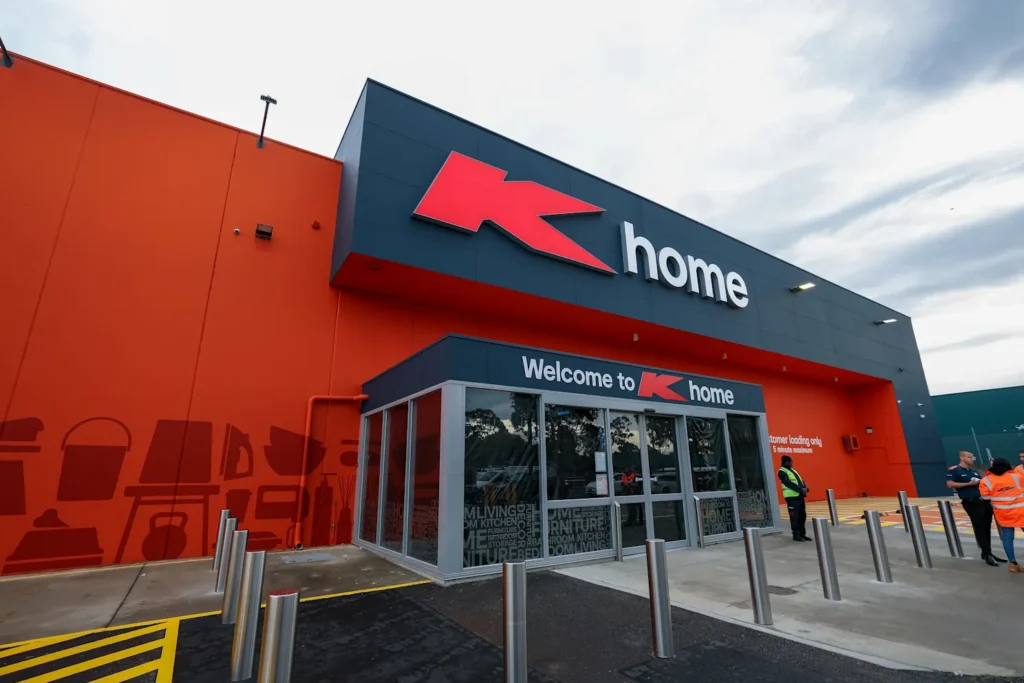

Kmart has opened its first standalone K Home store in Australia, marking a significant expansion into furniture and homewares as the retailer looks to capture a larger share of the country’s home and living market. The new concept store, located in Melbourne’s eastern suburbs, is a major test of whether shoppers are ready to view Kmart as more than a destination for everyday discount buys.
Opening at 249 Middleborough Rd in Box Hill South, the pilot store spans more than 3,000 square metres and focuses on home-related categories rather than the full department-store mix. The launch comes as Australian households continue searching for affordable ways to furnish, organise and refresh their homes while managing cost-of-living pressure.
While Kmart has long sold furniture and homewares, K Home gives the retailer a dedicated physical space to showcase larger products that were previously harder to display in traditional stores.
A New Approach to Home Shopping
Unlike a standard Kmart location, K Home removes categories such as apparel, footwear, fashion accessories and toys to focus on furniture, bedding, storage solutions, décor, kitchenware, cookware, cleaning products, organisation items, travel products and home styling pieces.
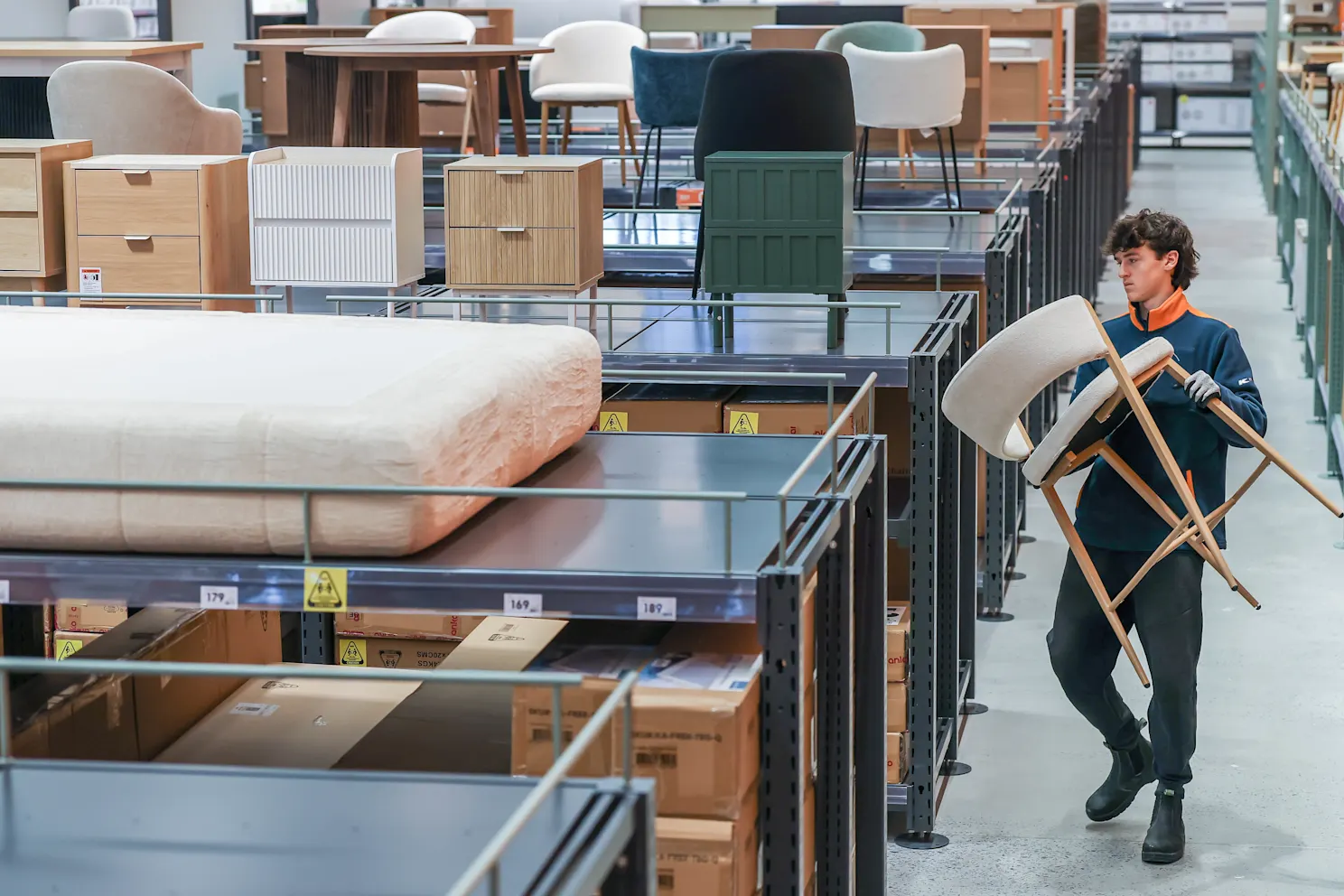
The store is centred on Kmart’s Anko brand, with products arranged in curated room-style displays to help shoppers see how items could work inside real homes. Larger furniture pieces that were previously available mainly online can now be viewed and compared in person before purchase.
Among the products highlighted at launch are a $19 side table and a $599 three-seat sofa, showing how Kmart plans to compete on value while moving further into bigger-ticket home purchases.
Why Kmart Is Challenging Ikea
The launch naturally draws comparisons with Ikea, which has built a strong Australian presence through affordable furniture, showroom-style layouts and practical storage solutions. K Home is smaller in concept, but it targets a similar shopper need: affordable home improvement with enough in-store inspiration to make buying decisions easier.
For Kmart, the advantage may be familiarity. Many Australians already shop at Kmart for everyday household goods, and the new format could encourage those customers to consider the retailer for sofas, tables, shelving, bedding and storage products.
The move places additional pressure on Ikea, Fantastic Furniture, Amart, Temple & Webster and other retailers competing for value-conscious home spending.
The Opportunity Behind K Home
Kmart is owned by Wesfarmers, one of Australia’s largest retail groups, whose businesses include Bunnings Warehouse, Target, Officeworks and Priceline Pharmacy. In its most recent financial year, Kmart generated revenue of about $11.4 billion.
Wesfarmers has estimated that Australia’s home and living market is worth about $34 billion, with Kmart accounting for roughly 10% of that market. That leaves room for growth if the retailer can turn its homewares popularity into stronger furniture and room-solution sales.
The K Home trial also follows other major moves by the group as it reshapes its retail footprint. Wesfarmers has been expanding beyond traditional store categories, including a separate push linked to faster and cheaper housing delivery through its Built Living apartment venture.
Why the Timing Matters
The timing of K Home is closely tied to consumer behaviour. Many households are delaying major renovations but still spending on smaller upgrades that improve living spaces without requiring large budgets.
Storage baskets, compact furniture, bedding, lamps, cookware and decorative items can help refresh a home at a lower cost. That makes Kmart’s value-led home range especially relevant to renters, first-home buyers and families trying to stretch household budgets.
The physical showroom format also solves a practical issue for online furniture shoppers. Customers can judge size, comfort, colour and finish before buying, which can reduce hesitation around larger home purchases.
Risks Around Growth and Sustainability
Although K Home gives Kmart a new growth path, the format also raises questions. Budget furniture is highly competitive, and shoppers will compare products on quality, durability, delivery, returns and long-term value.
Retail experts have also raised broader concerns about the growing influence of large retail groups, sourcing transparency, offshore manufacturing, labour standards and the environmental impact of high-volume, low-cost consumer goods.
Those issues could become more important if Kmart expands K Home nationally. As shoppers become more aware of waste and product lifespan, the retailer may need to show that affordability does not come at the expense of responsible retail practices.
What Happens Next?
Kmart has confirmed that K Home is currently a trial format. The company will monitor foot traffic, sales performance and customer response before deciding whether more dedicated home stores should open elsewhere in Australia.
Read More
If the concept succeeds, K Home could become one of Kmart’s most important retail experiments in years, strengthening its position in furniture and homewares while giving shoppers another affordable option in an increasingly competitive market.
More information about Kmart’s parent company and its retail operations is available through the official Wesfarmers website.

Make Swikblog your go-to source on Google for reliable updates, smart insights, and daily trends.