
The New York Times Strands puzzle for January 26 leans into a playful but surprisingly elegant theme: “Grape expectations.” At first glance, the grid looks deceptively ordinary, yet solvers quickly realize this is a puzzle built around recognition rather than brute-force searching. If you enjoy word games that reward cultural familiarity and pattern awareness, today’s Strands delivers a satisfying challenge.
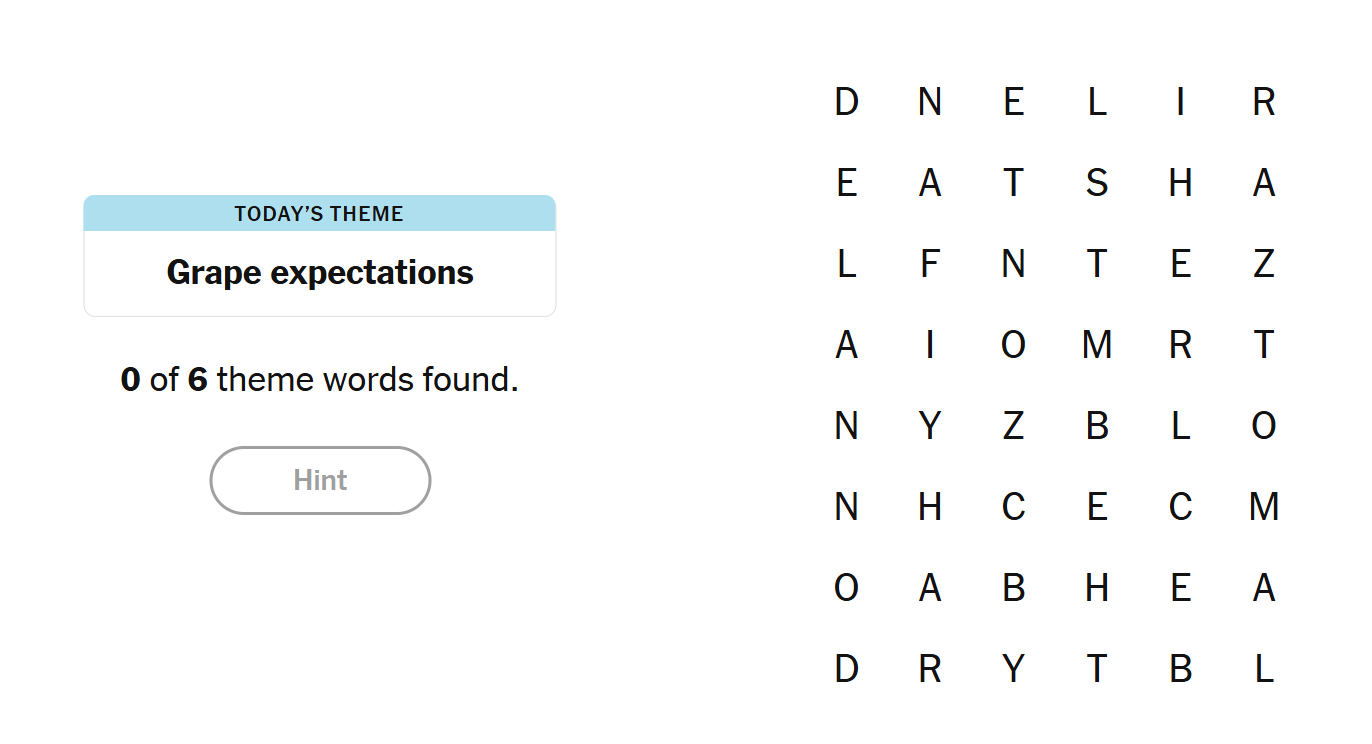
The theme clue nudges you toward fruit, but not in the obvious apple-or-orange sense. This puzzle expects you to think more narrowly, focusing on a specific type of fruit that carries strong associations with geography, taste, and everyday language. Many solvers reported early false starts by chasing general food terms before the real pattern snapped into focus.
As always, this write-up is independently written and not affiliated with the New York Times. If you want to play the original puzzle or compare solving strategies, you can find today’s Strands on the New York Times games section.
Expert Hints for Today’s NYT Strands PuzzleIf you’re stuck on today’s Strands, the biggest mistake is thinking too broadly. The theme “Grape expectations” isn’t asking for generic fruit words or food terms — it’s pointing you toward **named varieties**, the kind you’d expect to see listed individually rather than grouped together.
A strong early strategy is to scan the grid for **long, distinctive letter runs**. Several theme answers are longer than average and use uncommon letter pairings that stand out once you stop chasing short four-letter words. If you spot clusters with repeated consonants or wine-label-style spellings, slow down and trace them carefully.
Another key insight is balance: today’s grid mixes **both red and white grape varieties**. If you think you’ve found only one type, that’s your signal that the theme isn’t complete yet. Solvers who alternate their search between different corners of the grid tend to break through faster.
The spangram is especially important today. It’s an 11-letter phrase that describes *how* these grapes are commonly ordered or consumed, not what they are. Once you identify that phrase, the remaining theme words become much easier to confirm because the grid’s paths suddenly feel intentional rather than random.
Finally, don’t ignore direction changes. Several answers snake downward and then reverse back upward. If a word feels almost right but the last few letters seem blocked, check whether the path bends — today’s puzzle uses that mechanic more than once.
Tap to reveal all NYT Strands answers for January 26
MALBEC, CHARDONNAY, ZINFANDEL, SHIRAZ, MERLOT
Spangram: BYTHEBOTTLE
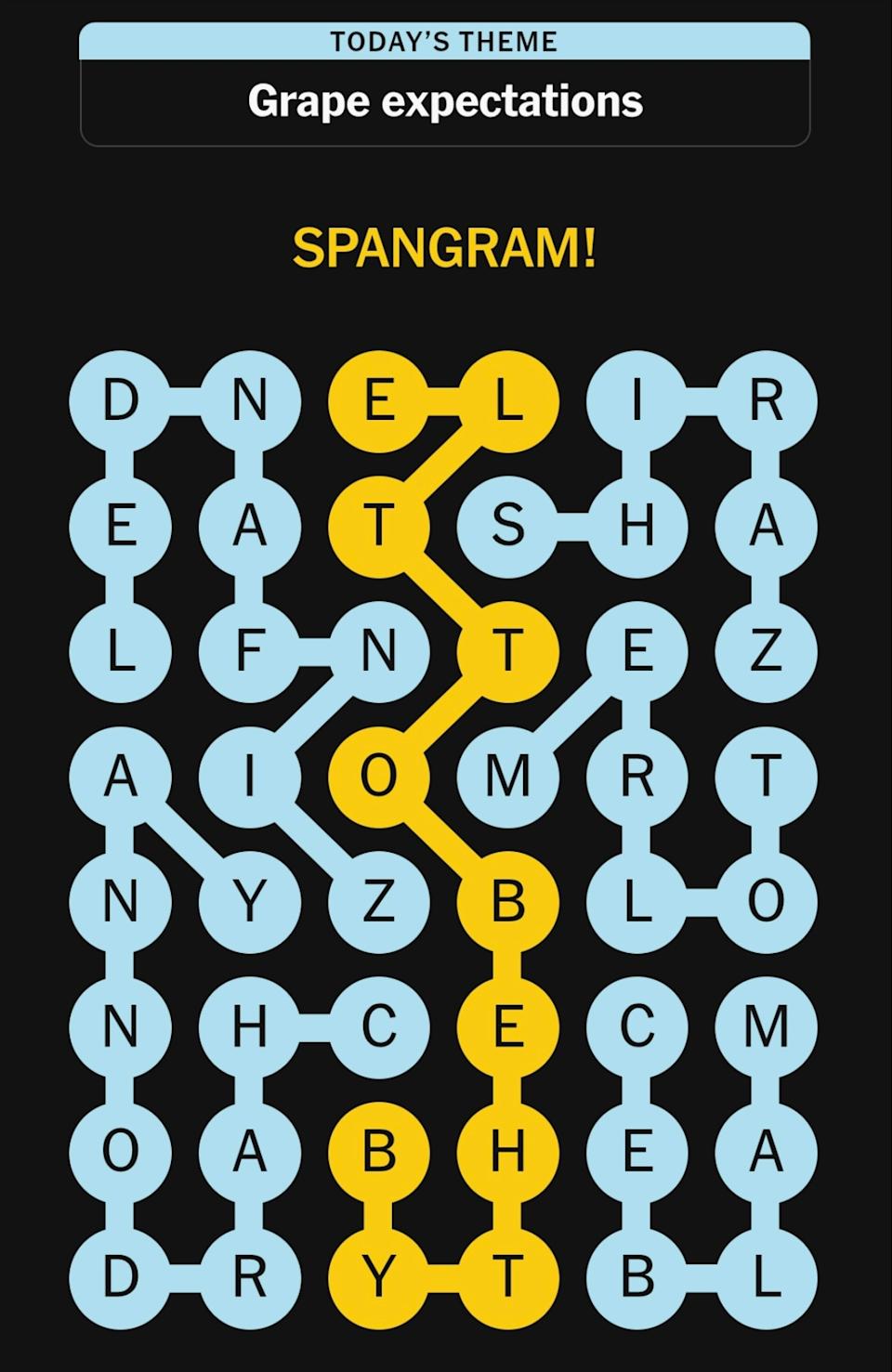
Today’s Strands puzzle succeeds because it balances clever wordplay with accessibility. Even if wine isn’t your passion, the cultural familiarity of the answers makes the solution feel earned rather than obscure. If you’re building consistency with Strands, this was a great example of how the puzzle rewards thematic thinking over raw letter hunting.

Make Swikblog your go-to source on Google for reliable updates, smart insights, and daily trends.