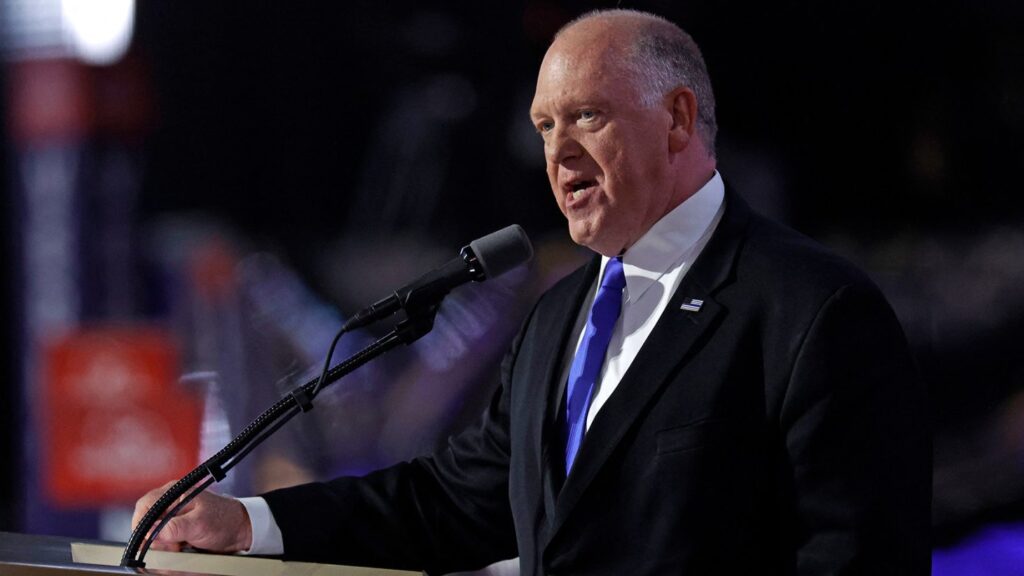
Tom Homan has become one of the most visible figures in U.S. immigration enforcement, and his name is back in the spotlight after President Donald Trump sent him to Minnesota to oversee federal immigration operations following deadly controversy in Minneapolis.
The move places Homan, Trump’s border czar and former acting director of U.S. Immigration and Customs Enforcement, at the center of a tense law-enforcement and political crisis. Federal immigration actions in Minneapolis have drawn protests, criticism from state officials, and calls for more transparency after fatal shootings involving federal agents.
Who Is Tom Homan?
Tom Homan, born in West Carthage, New York, spent decades in immigration enforcement before becoming one of Trump’s most trusted voices on border security. He began as a frontline officer and later moved into senior roles inside ICE.
Homan served as acting ICE director during Trump’s first administration, from 2017 until 2018. According to the official ICE leadership page, ICE is responsible for enforcing immigration and customs laws, including investigations and removal operations.
For more context on the Minnesota case, this Minneapolis ICE shooting update explains the incident that helped push Homan’s role back into national focus.
Why Trump Sent Him to Minnesota
Trump’s decision signals that the White House wants tighter control over federal immigration operations in Minnesota. Homan is known for defending aggressive enforcement policies and for speaking directly to supporters who want stronger action on immigration.
His arrival also raises the stakes. Supporters see him as an experienced enforcement official who can bring order to a volatile situation. Critics view him as a symbol of hardline immigration tactics that can increase fear in communities already distrustful of federal agents.
Why His Record Is Controversial
Homan’s career is closely tied to Trump-era immigration policy, including tougher interior enforcement and strong opposition to sanctuary policies. He has argued that federal immigration law must be enforced consistently, even when local leaders object.
That approach has made him popular with immigration hardliners, but it has also made him a frequent target of criticism from civil-rights advocates, Democratic officials, and immigrant-support groups.
What His Role Means Now
In Minnesota, Homan’s role is about more than one enforcement operation. It is a test of how the Trump administration responds when immigration policy, public safety, protests, and questions about federal accountability collide.
His appointment suggests the White House wants a faster command structure, a clearer public message, and a figure trusted by Trump to report directly on the situation. Whether that calms tensions or deepens the political fight will depend on how much information federal agencies release and how local leaders respond in the days ahead.

Make Swikblog your go-to source on Google for reliable updates, smart insights, and daily trends.