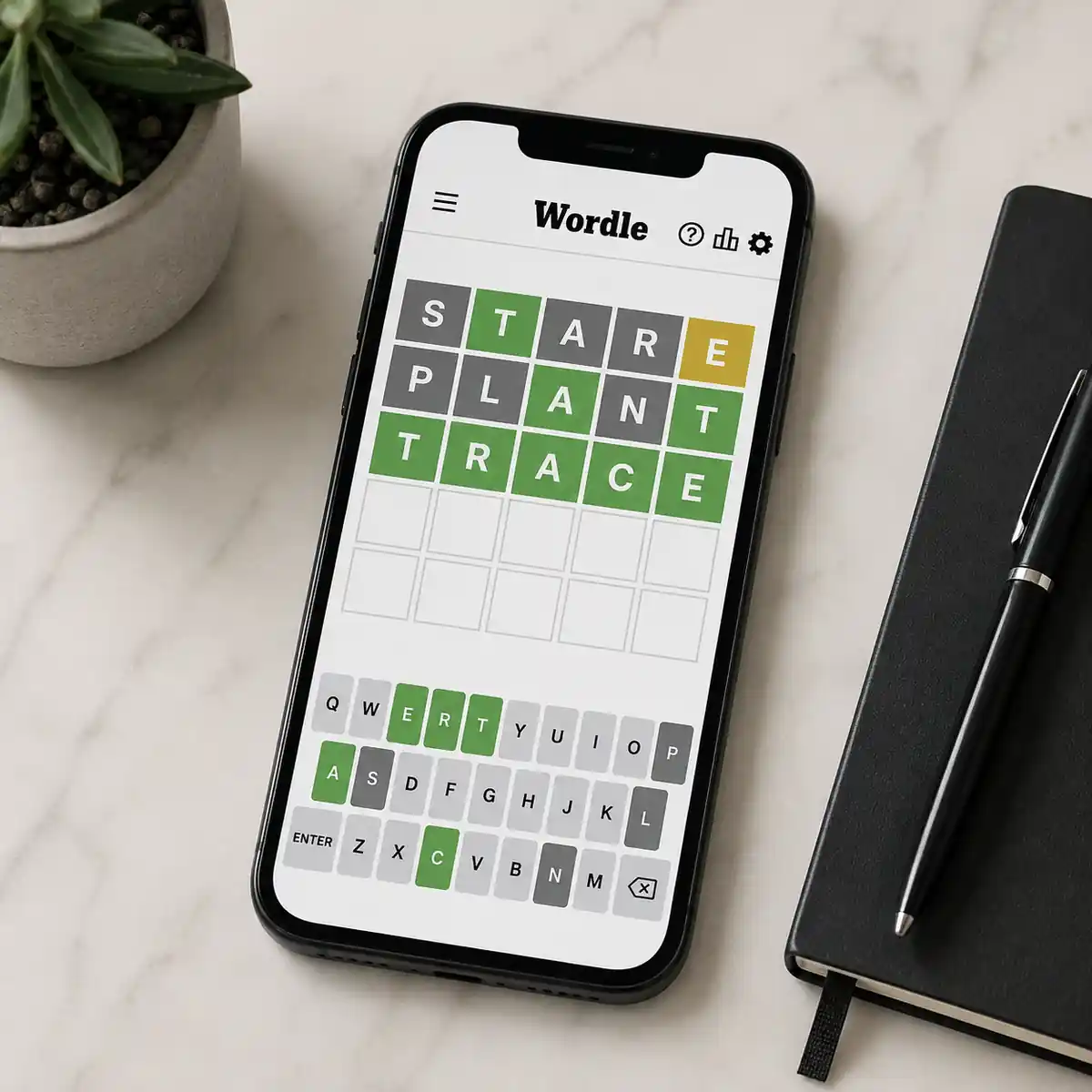
Wordle #1719 arrives for March 4, 2026, with a five-letter answer that’s common in headlines and everyday talk — but deceptively tricky on a Wordle board. The shape of the word is tight, the vowel count is low, and the consonants can push you into the wrong lane if you chase more “typical” patterns too early.
If you want a gentle nudge before revealing the answer, scroll carefully through the hints below. Keep your guesses grounded in real-world vocabulary rather than abstract letter-hunting. You can also play the official version at the New York Times Wordle page.
Today’s Wordle Hints
Hint 1: The answer is a noun linked to an unlawful act.
Hint 2: The word contains only one vowel.
Hint 3: It starts with the letter T.
Hint 4: The last letter is T.
Hint 5: It’s commonly used in phrases tied to crimes involving property or identity.
Elaborated Clue Breakdown
Today’s puzzle is the kind that punishes overthinking. Many players instinctively chase vowel coverage and “comfortable” consonant clusters, but this solution doesn’t give you much room to coast on typical patterns. With only one vowel in the word, early guesses that lean heavily on multiple vowels can feel productive while still leaving you far from the true structure.
The strongest path is to treat the hints like a definition-first puzzle. Think of a single, direct noun that shows up in police reports, legal language, and everyday conversation. Once you lock in the starting T and the ending T, the middle starts to narrow quickly — especially if you stop trying to force trendy Wordle letter combos and instead aim for an obvious real-world term.
It’s also a word that feels instantly clear after the reveal. That’s part of the Wordle charm: familiar vocabulary can be the hardest to spot when you’re searching under pressure.
Wordle Practice Grid
Today’s Word
Click to reveal
THEFT
Meaning: Today’s word is THEFT, a noun. According to Webster’s New World College Dictionary, it refers to “the act or an instance of stealing; larceny.”
If this one took extra guesses, you’re not alone. Low-vowel answers can be sneaky, especially when the board tempts you into more common letter shapes first. Once the definition locks in, though, the solution feels like it was hiding in plain sight.

Make Swikblog your go-to source on Google for reliable updates, smart insights, and daily trends.