📅 Date: October 21–22, 2025
🕓 Peak Visibility: Late night to pre-dawn hours
✍️ Written by: Swikblog Editorial Team
🌌 What Is the Orionid Meteor Shower?
The Orionid Meteor Shower is one of the most beautiful and reliable celestial events of the year.
It occurs annually when Earth passes through the debris trail left by Halley’s Comet — the same comet responsible for the Eta Aquarid meteor shower in May.
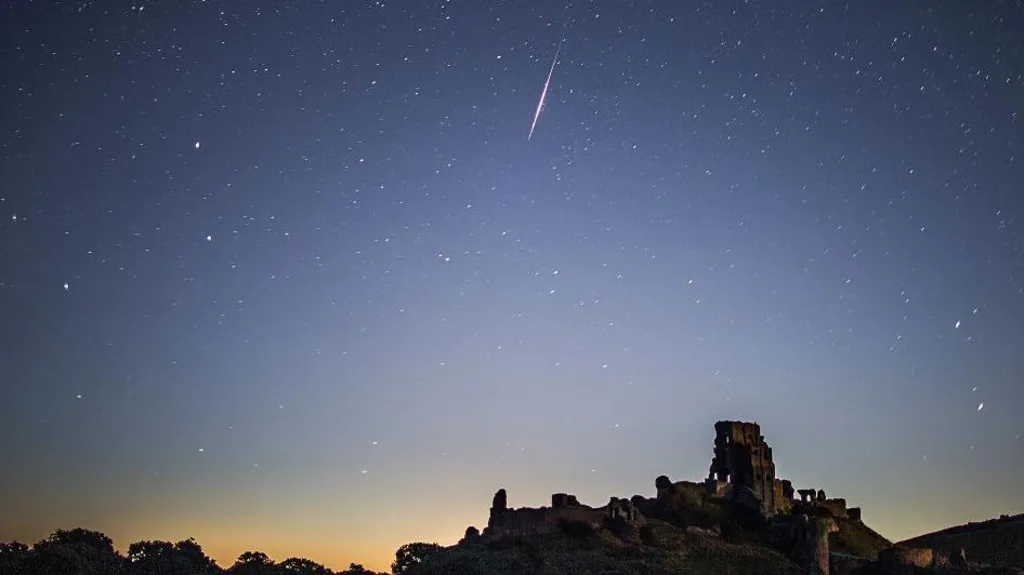
Each year, stargazers across the world witness dozens of bright, fast-moving meteors streaking across the night sky, appearing to radiate from the Orion constellation — hence the name “Orionids.”
🌍 When and Where to Watch the Orionid Meteor Shower 2025
The Orionids will peak on the nights of October 21 and 22, 2025, with visibility best during the early morning hours before dawn.
🌎 Best viewing regions:
- Northern Hemisphere (most of Europe, North America, Asia)
- Southern Hemisphere (Australia, South Africa, parts of South America)
✨ Best viewing time:
- After midnight till 5 a.m. local time
- When the Orion constellation (home to stars like Betelgeuse and Rigel) rises high in the sky
💡 Expected meteor rate:
Around 15–25 meteors per hour under clear, dark skies — depending on moonlight and weather.
🌕 Moonlight & Viewing Conditions in 2025
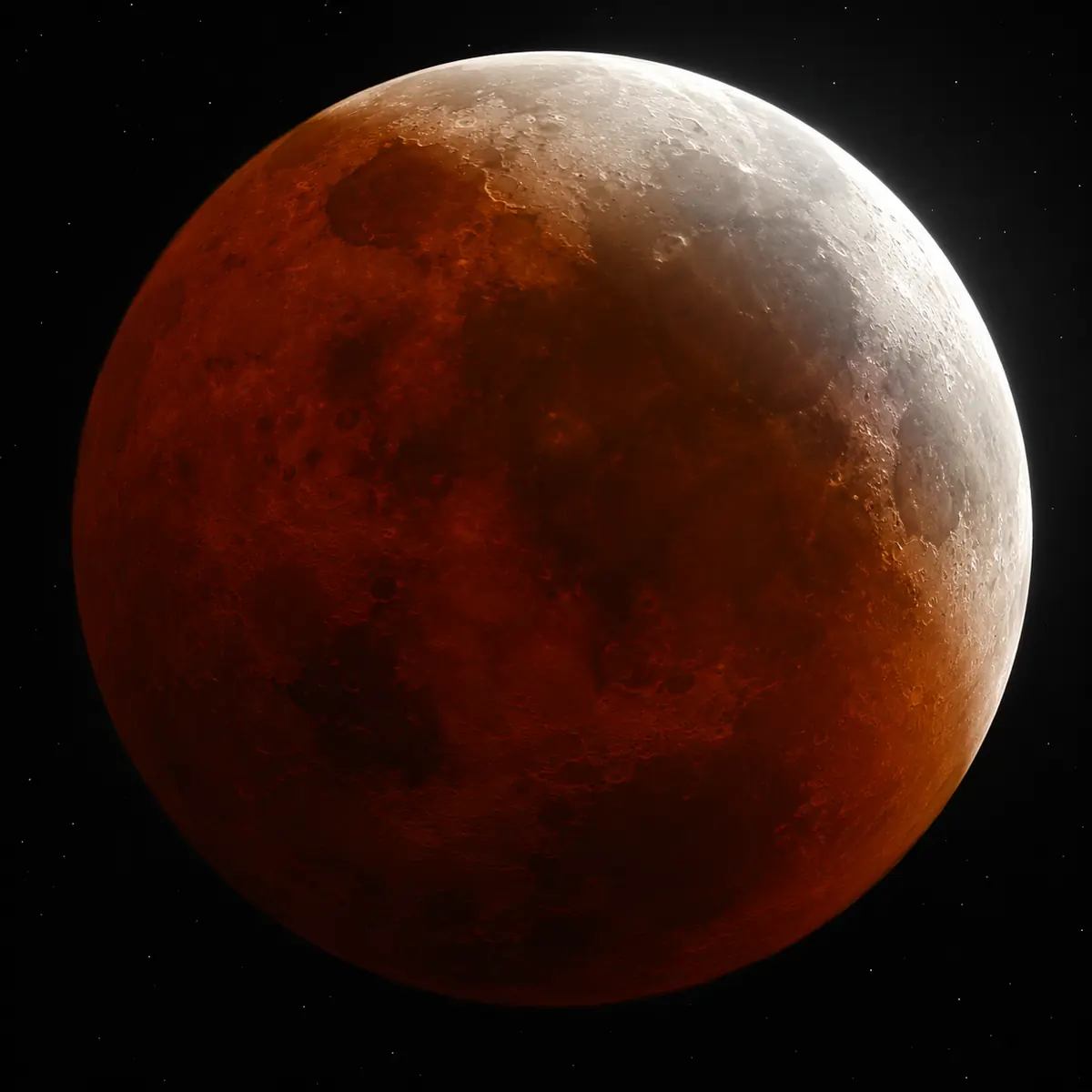
In 2025, the Moon will be in its waning gibbous phase during the peak nights, meaning some moonlight may reduce visibility slightly.
⭐ Tip: Try to watch during the darkest hours (3 a.m.–5 a.m.), when the Moon is lower on the horizon.
Move away from city lights to reduce light pollution and let your eyes adjust for at least 15 minutes.
🔭 How to Watch the Orionid Meteor Shower
You don’t need a telescope or binoculars — just your eyes, a reclining chair, and patience.
✅ Tips for the best view:
- Choose a dark location away from streetlights.
- Lie flat on your back with your feet facing east.
- Let your eyes adapt to the darkness.
- Bring a blanket or thermos — nights can get chilly!
🌠 Meteors will appear to come from the direction of Orion, but they can streak across any part of the sky.
🔭 Constellation Bingo
While watching the Orionids, check off what you spot in the night sky!
🪐 The Science Behind the Orionids
The Orionids are debris particles left behind by Halley’s Comet, which orbits the Sun every 75–76 years.
When these tiny fragments hit Earth’s atmosphere at speeds of 66 km/s, they burn up — creating glowing streaks we see as “shooting stars.”
Next time Halley’s Comet returns? In 2061!
Until then, the Orionids and Eta Aquarids give us a glimpse of its cosmic legacy.
📸 How to Photograph the Meteor Shower
Want to capture the show?
- Use a DSLR or mirrorless camera with a wide-angle lens (14–24mm).
- Set ISO between 1600–3200, and shutter speed to 15–20 seconds.
- Use a tripod and interval shooting to catch multiple meteors.
- Apps like Stellarium or Star Walk can help track Orion’s position.
🗺 Interactive Sky Map
You can view an interactive sky map showing Orion’s location and the meteor radiant using tools like:
🌠 Fun Fact
The Orionids are known for their bright, fast, and long-lasting trails — sometimes leaving glowing “trains” that last several seconds after the meteor passes.
Ancient observers associated Orionids with “celestial warriors” because the constellation Orion resembles a hunter.
Related Reads on Swikblog

Make Swikblog your go-to source on Google for reliable updates, smart insights, and daily trends.