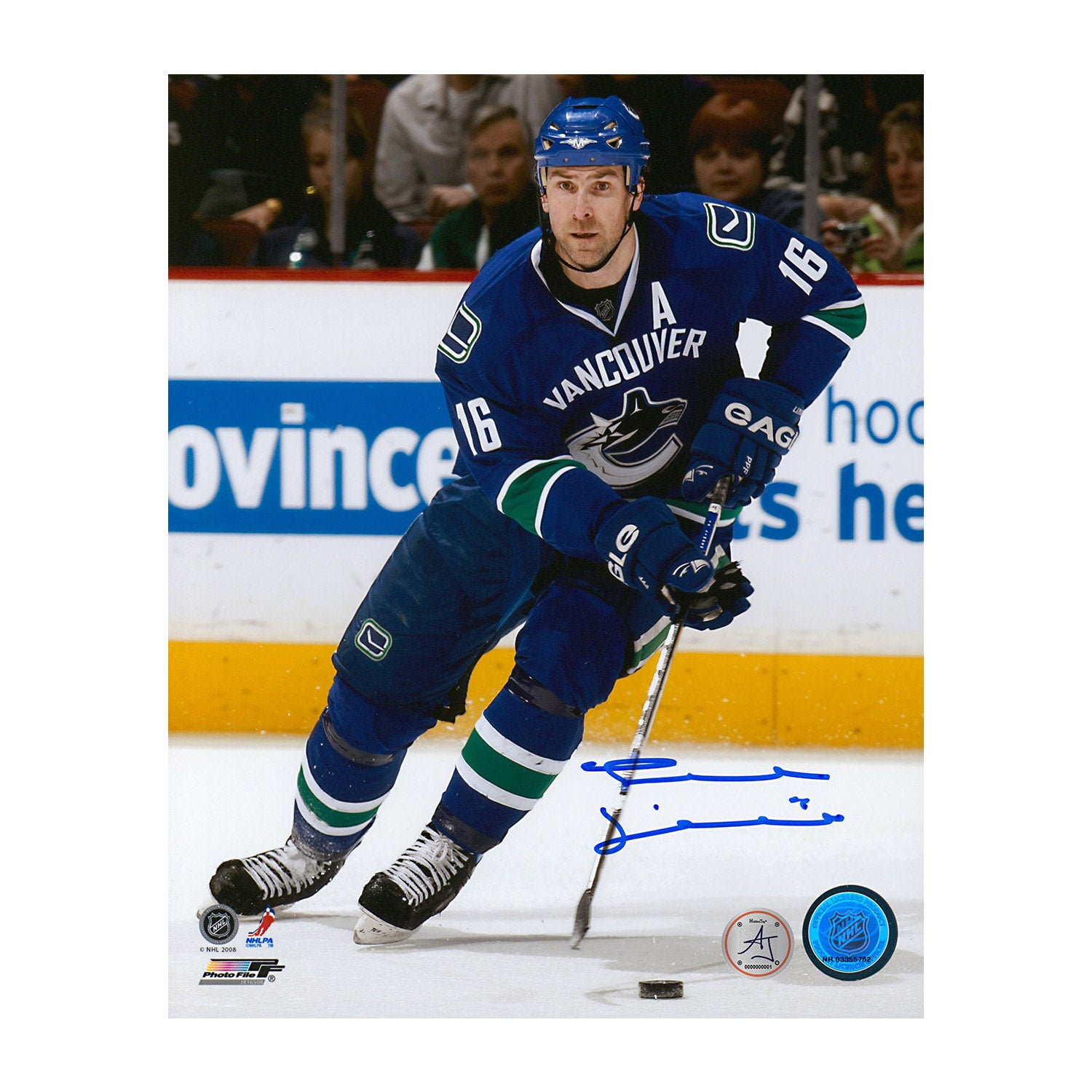
For long stretches at Madison Square Garden on Tuesday night, it felt inevitable that the New York Rangers would break through. They owned the puck, dictated territory, and pressed relentlessly inside the offensive zone. And yet, when the final horn sounded, the scoreboard told a very different story.
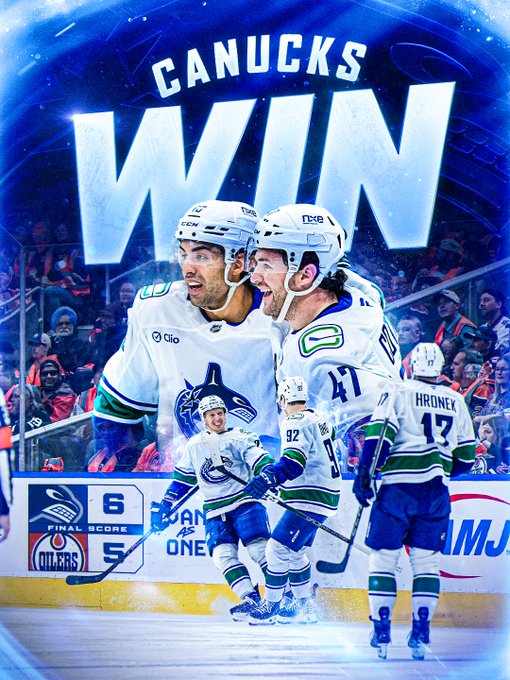
The Vancouver Canucks skated away with a 3–0 win, powered by a composed, disciplined defensive performance and a flawless night from goaltender Thatcher Demko. It was a result that underlined a growing frustration for the Rangers: effort and possession are no longer their problem. Finishing is.
Demko stopped all 23 shots he faced, recording his first shutout of the season and anchoring Vancouver through prolonged spells of pressure. While the Rangers cycled effectively and forced Vancouver into defensive survival mode at times, they rarely found the one touch that matters most — the one that sends the puck across the goal line.
Vancouver, by contrast, made its chances count. Evander Kane opened the scoring less than two minutes into the first period, capitalising on a broken play that gave him just enough space to beat Jonathan Quick. It was not a dominant opening from the Canucks, but it was efficient, and efficiency became the theme of the night.
That pattern continued in the second period when Liam Ohgren doubled the lead with his first goal of the season. The finish was not spectacular, but it was decisive — a reminder that goals often come not from elaborate build-ups, but from timing, confidence, and a willingness to shoot.
For the Rangers, the familiar frustration returned. Shot totals mounted, power plays came and went, and the sense of control never translated into reward. New York went 0-for-4 with the man advantage, extending a troubling stretch that has followed them through recent games. According to NHL.com, the Rangers have now struggled to convert consistently since injuries disrupted their blue line, leaving little margin for error at even strength.
Captain J.T. Miller did not hide his anger afterward. The message was blunt: playing well is no longer enough. The Rangers feel they are outplaying opponents, but the standings do not reward moral victories. At this point in the season, frustration is beginning to replace patience.
Vancouver, meanwhile, is navigating its own period of uncertainty. This was only the second game since the Canucks traded away their captain in a headline-grabbing deal that reshaped the team’s direction. Rather than unravel, they have responded with structure, calm, and a clear understanding of their identity.
Head coach Adam Foote described the adjustment as emotional but necessary. Losing a long-time leader can destabilise a dressing room, yet the Canucks have shown early signs of cohesion. Demko’s performance, in particular, gave the group confidence to absorb pressure without panicking.
The final blow came late in the third period when Conor Garland flipped the puck into an empty net while short-handed, sealing the 3–0 result. It was a ruthless moment that summed up the contrast between the two sides: one team searching for answers, the other executing a simple plan with precision.
For the Rangers, questions are now unavoidable. They have been shut out at home multiple times this season, and a pattern is emerging. The process may look sound, but without goals, the narrative quickly turns bleak. As ESPN has noted in recent analysis, possession-heavy teams still need elite finishing to survive in a league defined by fine margins.
The Canucks leave New York with momentum and belief at a moment when both are essential. The Rangers remain at home with frustration simmering, knowing that the margin between dominance and defeat has rarely felt thinner.
Oilers Recall Quinn Hutson — AHL Rookie Leader Making an NHL Impact

Make Swikblog your go-to source on Google for reliable updates, smart insights, and daily trends.