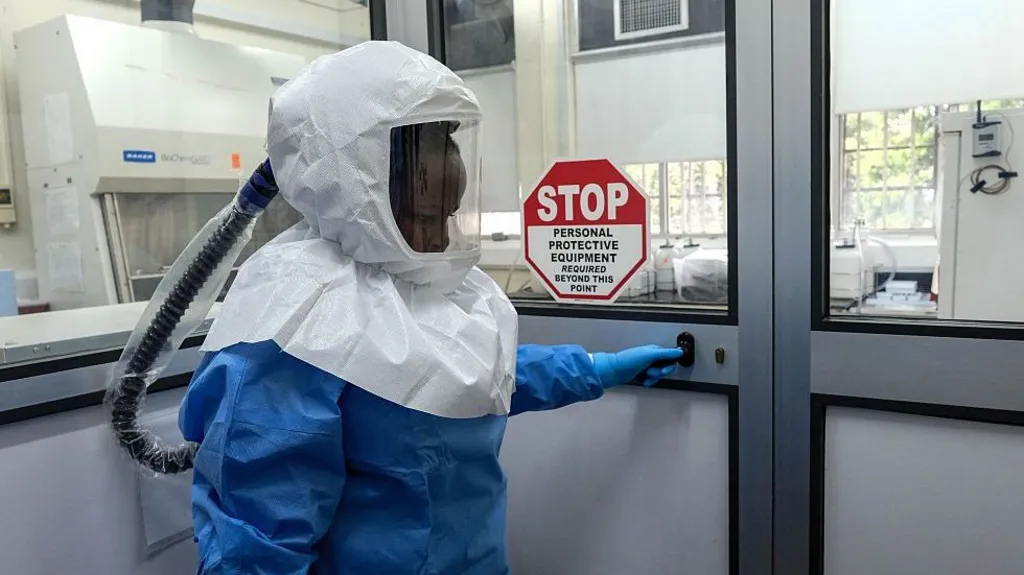
Researchers in Spain have reported encouraging results from an experimental treatment that completely removed aggressive pancreatic tumours in laboratory mice. Although the therapy is still in the pre-clinical stage and has not been tested in people, scientists say the findings could help shape future treatments for one of the world’s most difficult cancers.
The study was carried out by investigators at Spain’s National Cancer Research Centre (CNIO) and focused on pancreatic ductal adenocarcinoma (PDAC), the form responsible for most pancreatic cancer diagnoses and deaths. The research was published in the peer-reviewed journal Proceedings of the National Academy of Sciences.
Why pancreatic cancer remains so difficult to treat
Pancreatic cancer is often diagnosed only after it has spread because symptoms usually appear late. Even when treatment begins early, many tumours quickly become resistant to chemotherapy and targeted medicines, contributing to one of the lowest survival rates among major cancers.
A major reason for this resistance is a mutated gene known as KRAS. This genetic change is present in the vast majority of pancreatic ductal adenocarcinoma cases and continuously sends signals that encourage cancer cells to grow and survive.
How the experimental treatment works
Instead of relying on a single medicine, the research team combined three different drugs that interrupt the KRAS signalling pathway at separate stages. The approach included an experimental KRAS inhibitor, a medicine already approved for certain lung cancers, and a protein-degrading compound that breaks down molecules cancer cells depend on to survive.
Scientists believe this multi-layered strategy makes it much harder for tumour cells to adapt. Previous studies have shown that blocking only one part of the pathway often allows cancer cells to find alternative routes to continue growing.
What the researchers discovered
Across three separate mouse models, the combination therapy caused complete tumour regression. Researchers also reported no significant treatment-related toxicity during the study, and the cancers did not return after therapy ended.
Preventing recurrence is particularly important because pancreatic tumours frequently return after initially responding to treatment. While animal studies cannot predict identical outcomes in humans, the results suggest the combination approach deserves further investigation.
What happens before human trials
The researchers emphasised that this is not a new treatment available for patients. Before clinical trials can begin, additional laboratory studies must confirm the safest drug doses, evaluate long-term side effects and determine whether the same biological response can be reproduced in humans.
Drug development typically takes several years, and many therapies that perform well in animals do not ultimately succeed in clinical testing. For that reason, experts caution against viewing these findings as evidence of a cure.
Why this research is attracting attention
Rather than searching for a single medicine capable of defeating pancreatic cancer, this study supports a growing view that carefully designed combination therapies may offer a more effective way to overcome treatment resistance. By targeting several survival mechanisms simultaneously, researchers hope to limit the cancer’s ability to evolve.
Although much work remains before this strategy reaches hospitals, the findings provide scientists with a stronger foundation for future clinical research. For families affected by pancreatic cancer, the study represents a meaningful scientific advance and a clearer direction for developing more effective treatments in the years ahead.

Make Swikblog your go-to source on Google for reliable updates, smart insights, and daily trends.