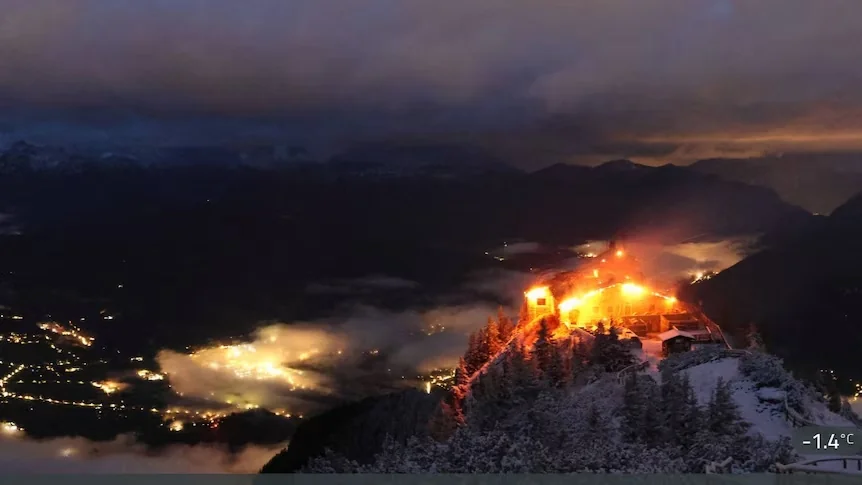
As November draws to a close, Scotland begins to slip quietly into celebration mode. Long before Christmas and Hogmanay fireworks take over the skyline, St Andrew’s Day – Scotland’s national day – sets the tone. Officially marked on 30 November, the feast of St Andrew now triggers a whole week of events, meaning St Andrew’s Day celebrations in Scotland often begin early with music, food, storytelling and blue-and-white Saltires on just about every public building.
For many people outside the UK, St Andrew’s Day Scotland searches spike around one simple question: what exactly is Scotland celebrating, and how? For Scots at home and in the diaspora, the answer blends history, national pride and a very modern festival mindset.
What is St Andrew’s Day and when is it?
St Andrew’s Day is the annual feast of Andrew the Apostle, patron saint of Scotland. It is celebrated on 30 November every year and recognised as Scotland’s national day. In 2006, the Scottish Parliament created an official St Andrew’s Day bank holiday, and while not everyone gets the day off, the date has become a fixed point in the country’s winter calendar.
For UK and US readers used to big national holidays like Independence Day or Thanksgiving, St Andrew’s Day looks different. There are no mass military parades or nationwide shutdowns. Instead, the focus is on Scottish culture: traditional music, dancing, food, stories and the blue-and-white Saltire flag. Schools hold assemblies, community groups organise ceilidhs, and major cities use the day to showcase Scotland’s creative energy.
Why do St Andrew’s Day celebrations start early?
If St Andrew’s Day is on 30 November, why do St Andrew’s Day celebrations in Scotland often begin days beforehand?
The answer lies in how the country has framed the date as part of a wider cultural season. The Scottish Government and tourism bodies talk about “Scotland’s Winter Festivals” – a three-part run of St Andrew’s Day, Hogmanay and Burns Night. Instead of treating 30 November as a single 24-hour celebration, local authorities and cultural organisations now programme concerts, light trails, markets and family events across the week surrounding it to encourage more visitors and overnight stays.
In practical terms, that means you will see St Andrew’s Day events in Edinburgh, Glasgow, Dundee and Inverness the weekend before the 30th. Some towns run week-long programmes in the build-up, particularly places with strong historical links to the saint, such as the university town of St Andrews itself.
How Scotland celebrates St Andrew’s Day
Searches for “how is St Andrew’s Day celebrated in Scotland” usually lead to a mix of food, music and dance. A typical programme might include:
- Ceilidh dancing – high-energy group dances, often with live fiddle bands, that are a staple of Scottish celebrations.
- Traditional food – haggis, neeps and tatties, cullen skink, smoked salmon and regional baking served at community suppers or restaurant specials.
- Scottish music sessions – from folk nights in small pubs to staged concerts featuring pipes, fiddles and contemporary acts.
- School events – assemblies, Scottish country dancing, poetry recitals and art displays built around the Saltire and St Andrew’s story.
For a deeper dive into the official version of the day – from the story of the saint to modern St Andrew’s Day traditions – Scotland’s national portal scotland.org offers guides, videos and teaching resources aimed at both locals and international audiences.
St Andrew’s Day and Scotland’s Winter Festivals
In recent years the phrase “Scotland’s Winter Festivals” has become central to how the country markets itself between November and January. St Andrew’s Day is positioned as the gentle opener: a mix of heritage, storytelling and celebration that leads into the explosive fireworks and street parties of Hogmanay, and then on to Burns Night in late January.
This seasonal framing matters. Rather than competing for attention with a single day, St Andrew’s Day celebrations now serve as the launchpad for a full winter programme. The official tourism agency VisitScotland promotes the national day as a chance to experience Scottish food, drink, music and landscapes at a quieter time of year, particularly attractive for UK and US visitors who want to avoid peak summer crowds.
Why St Andrew’s Day is trending beyond Scotland
Outside Scotland, interest in the day is being driven by three main groups: the Scottish diaspora, culture-focused travellers and people who simply love national-day stories. In the UK and US, search terms like “St Andrew’s Day meaning”, “who was St Andrew”, “St Andrew’s Day Scotland bank holiday” and “Scotland national day explained” rise each November.
For many readers, this sits alongside other explainers about national rivalries and cultural fixtures. Swikblog recently explored how a Premier League rivalry – the North London Derby between Arsenal and Tottenham – can dominate timelines well beyond the UK. St Andrew’s Day does something similar for Scottish identity: a moment when a small country’s flag, food and music briefly become global social-media shorthand for winter.
From quiet rituals to big nights out
Not every St Andrew’s Day celebration is a ticketed event. For some, the day is marked quietly at home with a Scottish-inspired meal, a dram of whisky or a playlist of folk tunes. For others, it is the perfect excuse for a night out: a St Andrew’s Day ceilidh, a special menu at a local restaurant, or a street event organised by councils or business groups.
Glasgow and Edinburgh often use the week around 30 November to launch winter light displays and Christmas markets. Coastal and rural communities, meanwhile, lean on St Andrew’s Day to tell their own local stories, tying in everything from maritime heritage to modern outdoor tourism.
For readers who follow how communities respond to high-stakes real-world events, Swikblog’s coverage of the Bella Coola school grizzly bear incident in Canada offers a sharp contrast: one story built on shock and emergency, the other on continuity and celebration, yet both shaping how people talk about a place.
Why St Andrew’s Day still matters
At its core, St Andrew’s Day is about more than saintly legends or medieval declarations. It gives Scotland a moment – ahead of the noise of Christmas and New Year – to stop and say something about itself. The emphasis on Scottish food, music, dance and language means the day acts as a showcase for living culture, not just a nod to the past.
For UK readers, it is a reminder that the United Kingdom’s nations each have their own stories, symbols and national days. For US readers, used to giant parades and fireworks, St Andrew’s Day in Scotland offers a different template: smaller in scale, but rich in atmosphere and rooted in local communities as much as big-city stages.
And because St Andrew’s Day celebrations now begin early, it no longer exists as just one date on the calendar. Instead, it has become the soft launch of winter itself – the point at which Scotland lights up the dark and invites the rest of the world to take notice.
Written by: Swikriti Dandotia
St Andrew’s Day, St Andrew’s Day Scotland, Scotland national day, St Andrew’s Day celebrations, St Andrew’s Day 30 November, Scotland’s Winter Festivals, St Andrew’s Day bank holiday, how Scotland celebrates St Andrew’s Day, St Andrew’s Day traditions, St Andrew’s Day meaning, who was St Andrew, St Andrew’s Day food, St Andrew’s Day ceilidh, Scottish winter festivals

Make Swikblog your go-to source on Google for reliable updates, smart insights, and daily trends.