
Updated: July 6, 2026
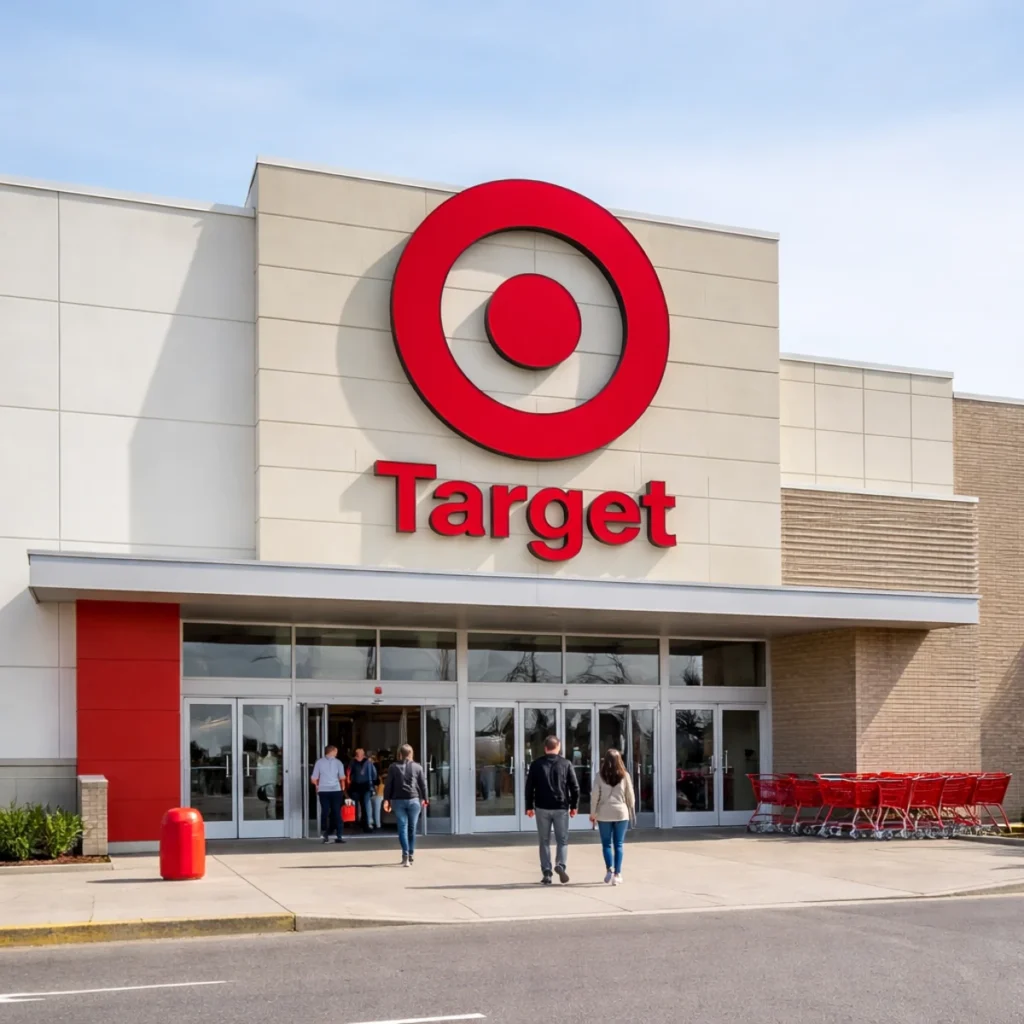
Target is preparing for another major expansion this month, with 11 new stores scheduled to open across 10 U.S. states during July 2026. The rollout is part of the retailer’s broader plan to strengthen its national store network while using physical locations to support both in-store shopping and online order fulfillment.
The new locations will open in Arizona, California, Colorado, Florida, Kentucky, Massachusetts, South Carolina, South Dakota, Texas and Utah. Once they begin serving customers, Target will have opened 24 stores during 2026, leaving the company close to reaching its stated goal of opening more than 30 new stores before the end of the year.
The expansion follows another milestone for the Minneapolis-based retailer, which recently surpassed 2,000 stores nationwide. According to Target, the vast majority of U.S. households are located within roughly 10 miles of one of its stores, making its physical footprint a key advantage as more customers combine online and in-store shopping.
New Locations Support More Than Traditional Shopping
Target’s latest openings are designed to do much more than add selling space. The company increasingly relies on stores to process online purchases, handle Drive Up orders, support Order Pickup services and manage product returns alongside traditional retail shopping.
Earlier in 2026, the retailer opened six new stores in Arizona, Missouri, New Jersey and North Carolina. July’s expansion continues that momentum and reflects Target’s long-term commitment to investing in physical retail while many competitors continue shifting resources toward e-commerce.
The company has said it intends to open more than 300 additional stores by 2035, focusing on fast-growing communities where customer demand continues to increase.
Additional details about future projects are available through Target’s official store expansion plans.
Bigger Stores Will Offer More Grocery Choices
Six of the 11 stores opening this month will measure more than 140,000 square feet, making them substantially larger than many traditional Target locations.
The added space will allow for expanded grocery departments, including larger selections of fresh produce, meat, dairy and refrigerated products. Grocery shopping has become an increasingly important part of Target’s strategy because customers typically visit more often when buying everyday essentials.
Larger buildings also create additional capacity for fulfillment operations, giving employees more room to prepare pickup orders and same-day delivery requests while keeping products available for shoppers visiting the store.
Expansion Is Part of a Broader Investment Plan
New stores represent only one part of Target’s investment strategy for 2026. The retailer plans to remodel around 130 existing locations this year, updating store layouts and improving areas dedicated to groceries and digital fulfillment.
Target has also committed approximately $1 billion toward improving store operations through additional staffing, employee training and operational upgrades. Company executives have said these investments are intended to improve customer service while making stores more efficient.
The retailer continues to navigate a competitive retail environment where consumers remain selective about discretionary spending and frequently compare prices across multiple retailers. Strong execution at new locations could play an important role as the company works to improve performance following recent operational challenges discussed in its analysis of Target’s store operations.
Read More
Target’s Long-Term Retail Vision
Chief Executive Officer Michael Fiddelke has said Target’s objective is not to compete by stocking every possible product. Instead, the company is focusing on categories where it believes it can offer a distinctive shopping experience, including food and beverage, beauty, home essentials and baby products.
That strategy is shaping both store design and merchandise selection. Rather than simply increasing inventory, Target is expanding departments where demand remains strong while improving convenience through services that connect digital and in-store shopping.
Industry analysts say this approach reflects a broader trend across retail, where stores increasingly serve multiple purposes. In addition to selling products, they function as local distribution hubs that shorten delivery times and reduce shipping costs.
If Target remains on schedule, the July openings will bring its 2026 expansion close to completion while supporting a much larger plan to grow its national footprint over the next decade. For shoppers in the affected states, the new locations are expected to provide wider product selections, expanded grocery departments and faster fulfillment options that continue to blur the line between physical retail and online commerce.

Make Swikblog your go-to source on Google for reliable updates, smart insights, and daily trends.