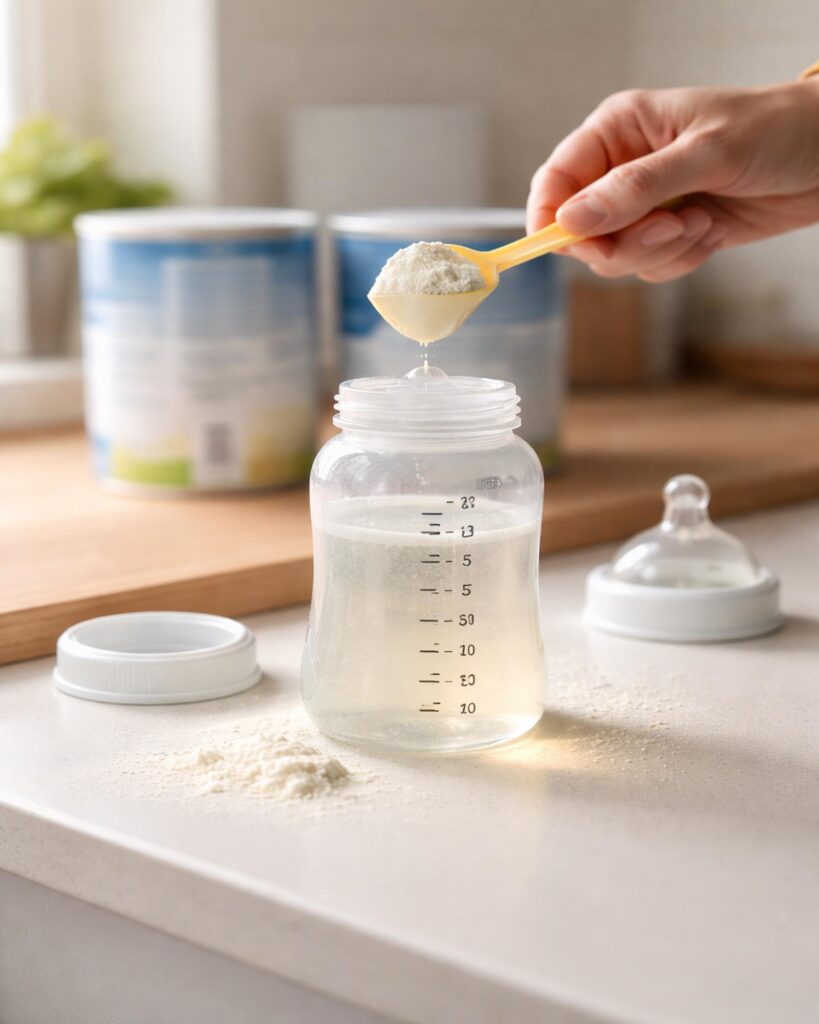

UK health authorities have expanded an existing infant formula recall after 36 children were reported to have developed symptoms consistent with toxin-related food poisoning. Parents and caregivers are being urged to check any stored baby formula at home, as some affected batches may no longer be available in shops but could still remain in household cupboards.
The latest action includes additional batches of selected Aptamil and Cow & Gate infant and follow-on milk products manufactured by Danone. The precautionary recall follows concerns that certain batches may contain cereulide, a toxin produced by Bacillus cereus that can cause sudden gastrointestinal illness.
Read More
What prompted the expanded recall?
Public health officials said the reported illnesses involve infants believed to have consumed formula included in earlier recall notices. The children experienced symptoms commonly linked to cereulide exposure, including vomiting, nausea and stomach cramps, with symptoms generally developing soon after consumption.
Although most people recover within 24 hours, infants and young children can be more vulnerable to dehydration and related complications. Parents should seek medical guidance promptly if a child develops repeated vomiting, appears unusually tired or has difficulty keeping fluids down.
Why cereulide is a concern
Cereulide is a heat-stable toxin produced by certain strains of Bacillus cereus. Unlike many foodborne bacteria, the toxin is not destroyed through normal heating or by using hot water to prepare formula. Depending on the amount consumed, symptoms may begin within minutes or a few hours.
Health investigators linked the issue to arachidonic acid oil supplied by a third-party manufacturer. The ingredient is commonly added to infant formula to support early growth and development. Danone has said the affected ingredient is no longer being used in production.
The incident highlights why consumers should pay close attention to official product notices, including recalls involving foods marketed for children. A recent Australian recall of Chickadees children’s snacks similarly urged families to check product details and remove affected packs from their homes.
Advice for parents and caregivers
The UK Food Standards Agency is advising families to stop using any recalled products immediately and compare the batch numbers printed on their packaging with the official recall list. Anyone who has already used an affected product should monitor the child for symptoms.
If an infant develops repeated vomiting, nausea or stomach pain after consuming the formula, parents should contact their GP or NHS 111. Urgent medical attention may be needed if the child shows signs of dehydration, including fewer wet nappies, a dry mouth or unusual drowsiness.
Authorities believe the recalled formula was manufactured some time ago, meaning most affected products are unlikely to remain on retail shelves. However, unopened packs may still be stored at home, in travel bags or among emergency feeding supplies.
Checking the exact batch or lot code is important because recalls usually apply only to specific production runs rather than every item sold under a brand name. The same distinction was central to the Publix blueberry recall involving lot code 60401, where shoppers were advised to compare packaging information before discarding a product.
Health monitoring remains ongoing
Public health surveillance has not identified an unusual nationwide increase in infant vomiting beyond the cases associated with the recalled formula. Officials are continuing to review illness reports and assess whether any further products or batches require action.
Parents seeking the latest information, including affected product names, pack sizes and batch numbers, should consult the official guidance published by the UK Food Standards Agency.

Make Swikblog your go-to source on Google for reliable updates, smart insights, and daily trends.