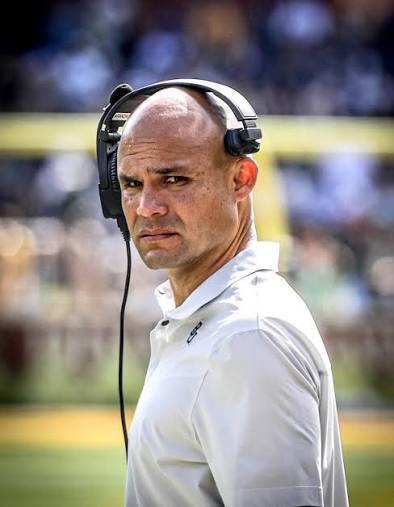
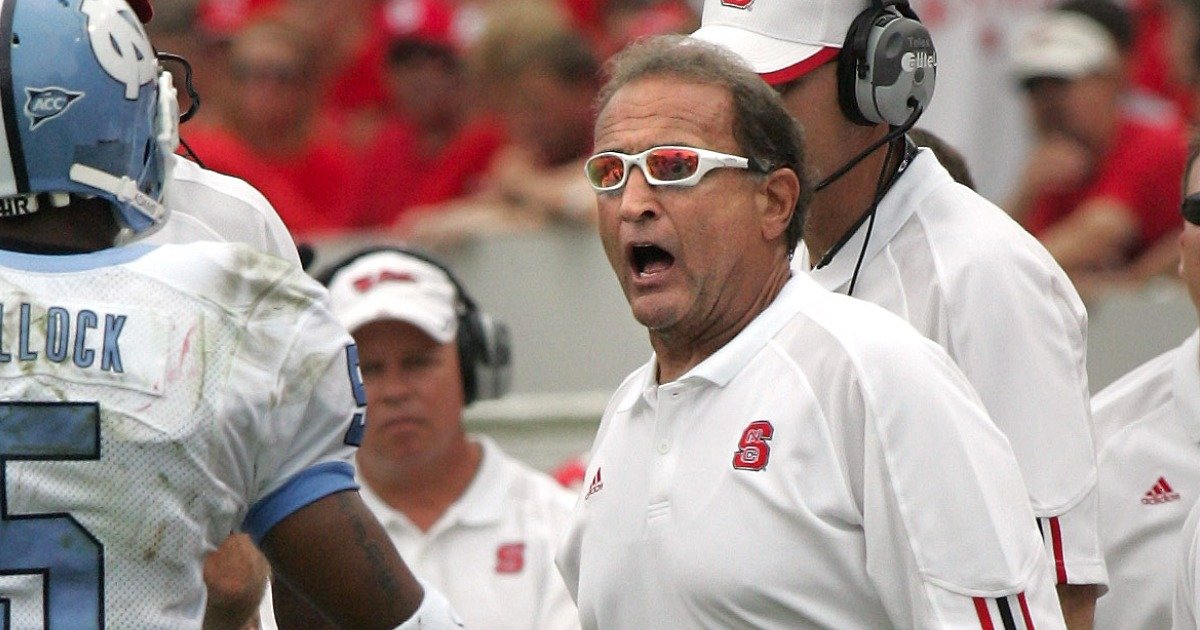
Bill Belichick is reportedly handing North Carolina’s offense to veteran play-caller Bobby Petrino, a move that signals urgency after the Tar Heels’ 4–8 finish and one of the least productive attacks in the country. The change comes after Belichick moved on from offensive coordinator Freddie Kitchens following the 2025 regular season.
If the hire is finalized as reported by multiple outlets, it’s the clearest sign yet that Belichick wants a faster, sharper identity on offense in 2026—one that can generate explosive plays, stabilize quarterback development, and lift UNC out of the bottom tier in scoring and efficiency.
- What happened: Bill Belichick is expected to hire Bobby Petrino as North Carolina’s offensive coordinator for 2026.
- Why it matters: UNC’s offense struggled badly in 2025, and Belichick is making a high-profile change after a 4–8 season.
- What Petrino brings: A tempo-driven, spread-based approach, aggressive downfield concepts, and a track record of elevating quarterback play.
- The risk: Petrino’s résumé includes significant controversy and multiple high-turnover stops—meaning results may need to come quickly.
- Big 2026 question: Can Petrino’s system translate fast enough to turn low production into wins in Belichick’s second year in Chapel Hill?
On the surface, the football logic is straightforward. Belichick’s first season at UNC produced too many stalled drives, too few chunk gains, and not enough points to keep pace. North Carolina averaged just 19.3 points per game and finished near the bottom nationally in several offensive measures. Whether the issues were scheme, execution, personnel, or all of the above, Belichick’s offseason message is clear: the offense has to look fundamentally different in 2026.
Petrino is a recognizable “fix-it” hire—someone known for play design and play-calling, with a reputation for building passing games that stress defenses horizontally and vertically. In his recent run at Arkansas, he was credited with a marked improvement in offensive efficiency, taking a unit that had been near the bottom of the FBS and turning it into one of the more productive groups by yards per play over a two-year span. That’s the kind of before-and-after story Belichick needs in Chapel Hill.
The challenge is that UNC’s 2025 offense didn’t merely “underperform”—it often looked stuck. The Tar Heels finished 4–8, missed the postseason, and rarely crossed the 25-point mark against major-conference opponents. In today’s college game, that’s a near-impossible profile to win consistently with, especially in a conference race where competent quarterback play and explosive passing can swing Saturdays.
Petrino’s likely value for UNC is speed of installation. His systems have typically leaned on tempo, spacing, and route combinations designed to create quick answers against pressure. For a roster trying to reset confidence, that can matter: fewer “perfect play” requirements, clearer reads, and more ways to manufacture offense even when the run game isn’t dominating.
But this isn’t a no-drama hire. Petrino’s career includes a well-documented scandal that ended his first Arkansas tenure, plus a long trail of stops that have mixed strong offensive results with instability. North Carolina isn’t just hiring a coordinator—it’s inviting a headline magnet into a program that’s already under bright lights because of Belichick’s presence. For fans, donors, and recruits, the question becomes whether the on-field gains can outweigh the inevitable noise.
There’s also the schematic fit question. Belichick’s identity is famously disciplined, situational, and defense-first. Petrino’s best offenses, meanwhile, often want to push pace and press advantages quickly. If this pairing works, it could look like a pragmatic marriage: Belichick controlling game management and program structure while Petrino handles weekly offensive answers and quarterback growth.
If it doesn’t work, it could unravel fast—either because results don’t come quickly enough, because the staff dynamic gets strained, or because the outside conversation becomes too loud. In college football, coordinator hires are rarely “set it and forget it.” They’re judged weekly, and they’re judged brutally.
Still, the upside is obvious: if Petrino can lift UNC from bottom-tier output to simply competent—and create a real downfield passing threat—the entire profile of Belichick’s second season changes. Close games flip. Fourth quarters look different. Recruiting pitches improve. And a 4–8 “reset year” becomes the foundation for a tangible bounce-back.
For now, the move is best understood as Belichick choosing a high-ceiling offensive architect rather than a safe, quiet option. Reports indicated multiple candidates were considered, but Petrino’s recent college success and clear offensive identity appear to have won out. One report noting the expected hire can be found via CBS Sports.
The bottom line: this hire is a bet that scheme and quarterback development can change the trajectory quickly. Belichick doesn’t need perfection in 2026—he needs functional offense, more explosive plays, and a visible reason for fans to believe UNC’s ceiling is higher than what 2025 showed.
Related: Washington State vs Utah State Potato Bowl prediction, odds, time (2025)

Make Swikblog your go-to source on Google for reliable updates, smart insights, and daily trends.