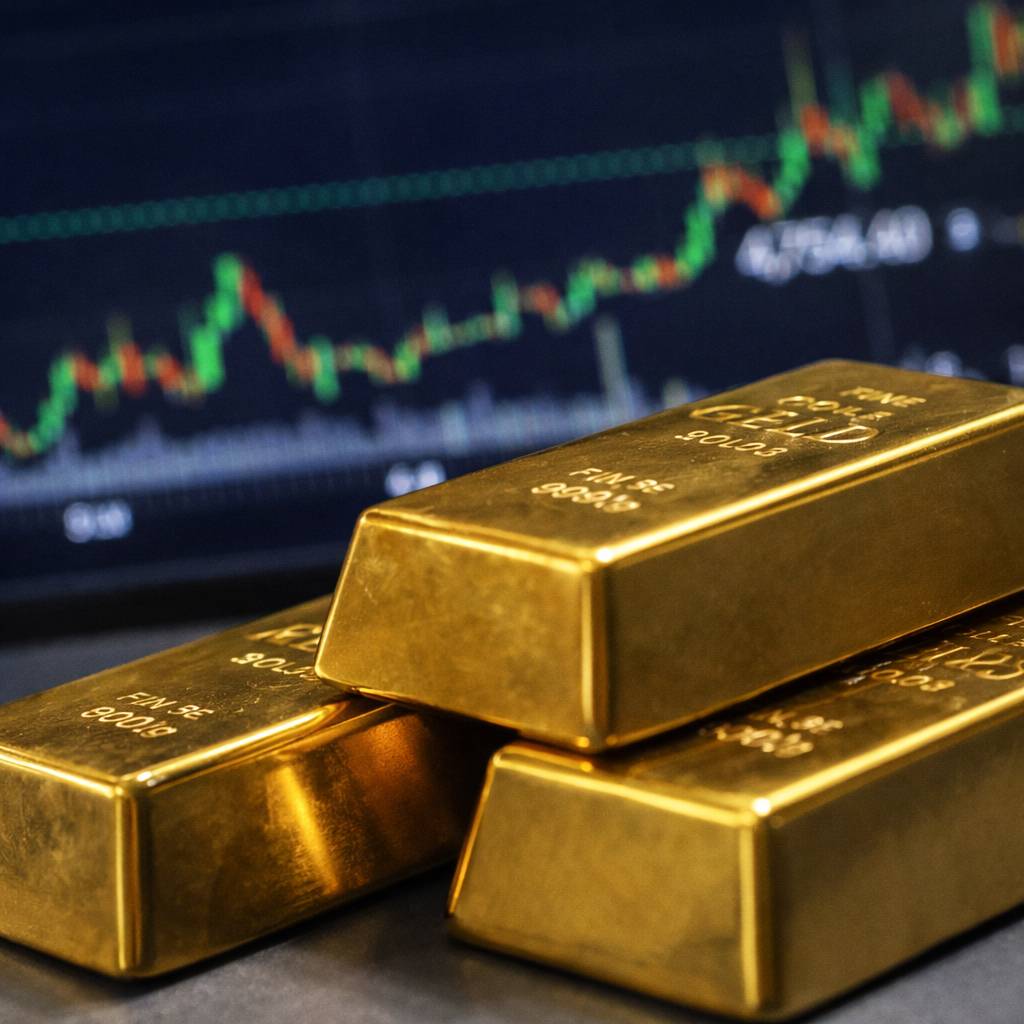

US gold prices fell sharply in intraday trade on April 16, slipping around 0.2% and hovering near $4,800 per ounce, as COMEX gold futures dropped to nearly $4,790 following a sudden mid-session sell-off that erased earlier stability. The move came after gold briefly attempted to hold above the $4,820–$4,830 range but failed to sustain momentum, triggering a wave of selling pressure that pushed prices toward key short-term support levels.
The decline was not just a minor fluctuation—it reflected a clear shift in intraday sentiment. Gold opened relatively steady but faced aggressive selling around mid-session, forming a sharp downward spike on the charts. Prices moved from near $4,830 to below $4,800, marking a drop of roughly $30–$40 within a short time frame. Attempts to recover were weak, with gold unable to reclaim previous highs, indicating a loss of bullish control.
Intraday price action signals weakness
The most critical takeaway from today’s movement is the formation of a short-term downtrend. Gold consistently printed lower highs after the sell-off, a classic technical signal that buyers were stepping back. The $4,820–$4,830 zone, which earlier acted as support, has now turned into a resistance level.
On the downside, immediate support is seen near $4,790–$4,800. A decisive break below this range could open the door for further declines, while any rebound would need to push above $4,850 to restore bullish momentum. This shift in structure is closely watched by traders as it often determines the next directional move.
Market drivers behind the drop
The primary driver behind today’s weakness in gold was the movement in U.S. Treasury yields. During the session, the 10-year yield rose toward 4.29%, increasing the opportunity cost of holding non-yielding assets like gold. Higher yields tend to reduce the appeal of bullion, especially for short-term traders.
In addition, the U.S. dollar showed signs of strength, further pressuring gold prices. A stronger dollar makes gold more expensive for international buyers, dampening demand. The combination of rising yields and dollar strength created a negative backdrop for gold, triggering profit booking after recent gains.
Another factor contributing to the sell-off was intraday volatility. The sharp spike downward suggests a liquidity-driven move, where stop-loss orders may have been triggered, accelerating the fall. This type of move often reflects not just fundamental pressure but also technical unwinding.
Key figures and trading metrics
From a market data perspective, several key figures stand out:
- Gold price: Near $4,800 per ounce
- Intraday low: Around $4,790
- Intraday high: Near $4,830
- Daily change: Approximately -0.2%
- Price drop range: Roughly $30–$40 from peak
These figures highlight the extent of intraday volatility and reinforce the view that today’s move was driven by active selling rather than passive drift.
Investor sentiment turns cautious
Investor sentiment shifted notably during the session. Short-term traders turned cautious after the breakdown below $4,800, while long-term investors remained relatively stable, viewing the move as a correction rather than a trend reversal.
The inability of gold to stage a strong rebound suggests that buyers are currently hesitant, possibly waiting for clearer signals from macroeconomic data or central bank policy. This hesitation is often seen during transitional phases in the market, where direction is uncertain.
At the same time, the broader outlook for gold remains supported by ongoing global uncertainties and demand for safe-haven assets. However, in the short term, sentiment is likely to remain fragile unless gold reclaims higher levels.
Outlook: What traders are watching next
Looking ahead, the next move in gold will depend heavily on whether the current support zone holds. If prices stay above $4,790, the market could stabilize and attempt a recovery. However, a breakdown below this level may lead to further downside, potentially testing lower support zones.
On the upside, reclaiming the $4,830–$4,850 range will be crucial for restoring confidence among buyers. Without that, the market may continue to face selling pressure in the near term.
Traders are also closely monitoring macro indicators, including U.S. inflation data, Federal Reserve policy signals, and bond yield movements. These factors will play a key role in determining whether gold resumes its upward trajectory or enters a deeper consolidation phase.
For now, the intraday sell-off serves as a reminder that even in a strong long-term trend, short-term volatility can create sharp and sudden price movements. Gold remains a closely watched asset, and today’s decline has added a new layer of caution to the market outlook.
You may also like: TXN Stock at $223 Ahead of April 22 Earnings as EPS Growth Tops 16%

Make Swikblog your go-to source on Google for reliable updates, smart insights, and daily trends.