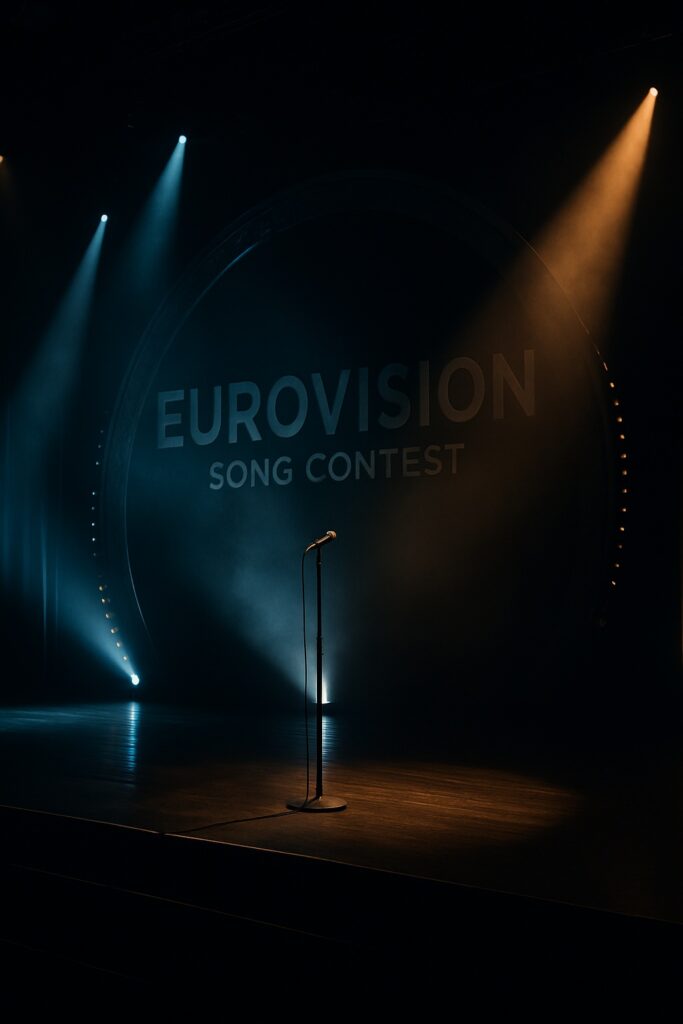

Vienna — December 2025
Eurovision was meant to be about sequins, pop anthems and late-night voting drama. Instead, the 2026 contest has been consumed by politics. After Israel was cleared to compete next year, several countries — led by Spain, Ireland and the Netherlands — announced they will boycott the event, accusing organisers of crossing a moral line.
The European Broadcasting Union confirmed Israel’s inclusion despite growing pressure from members and viewers, arguing that new reforms would protect the contest from political manipulation. Instead, the decision ignited one of the biggest rebellions in Eurovision’s history.
Who is boycotting — and why?
The Guardian’s full report on the boycott – Spain’s public broadcaster was the first to pull out, followed days later by Ireland and the Netherlands. All three cited the humanitarian crisis in Gaza and concern that Eurovision had become a political instrument rather than a cultural event.
Broadcasters say the competition no longer feels independent. Privately, executives have complained that trust inside the organisation has broken down and that the show’s credibility with viewers has been damaged beyond repair.
Why keeping Israel was so controversial
Many broadcasters pointed to previous bans on countries accused of violating international norms and questioned why Israel had been treated differently. For critics, the issue is not nationality — it is consistency.
If Eurovision claims to be neutral, they argue, it must apply its standards equally or risk becoming a stage for geopolitical influence.
What the organisers changed — and why it wasn’t enough
In response to criticism, Eurovision officials introduced new measures designed to limit coordinated voting campaigns, tighten commercial promotion rules and increase oversight of voting systems.
But for boycotting countries, technical tweaks did not solve the wider problem. “This isn’t about software,” one insider said. “It’s about integrity.”
Fans are furious and divided
Social media erupted within minutes of the announcement. Some fans accused organisers of hypocrisy, others called on more countries to withdraw. A smaller group defended Israel’s participation, warning against turning Eurovision into a political blacklist.
What unites both sides is frustration. Eurovision is meant to be escapism. Instead, it has become another cultural arena shaped by war and diplomacy.
What happens next?
More withdrawals are expected. Some broadcasters have already hinted they may follow if переговор negotiations fail. A severely reduced contestant list would challenge the contest’s identity and financial model.
Eurovision now faces an uncomfortable question: can a pan-European broadcast still pretend to be apolitical when its performers, voters and broadcasters are not?
Swikblog has tracked similar cultural clashes where institutions lose public confidence after refusing to explain difficult decisions — as we’ve reported previously.
The show will go on — but changed forever
Vienna will still host Eurovision 2026. The lights will still blaze. But behind the main stage, silence will mark the absence of countries that once gave Eurovision its heart.
Next year’s contest may have dazzling performances — but politically, it will already be the loudest Eurovision in history.
Written by Swikblog Culture Desk

Make Swikblog your go-to source on Google for reliable updates, smart insights, and daily trends.














