
World Malaria Day 2026 arrives with a sharper message than usual: “Now We Can. Now We Must.” It is a theme built on a hard truth. Malaria is no longer a disease the world can describe only in terms of limits and uncertainty. Science has moved forward. Public health tools have improved. Countries have shown that elimination is possible. Yet the disease still killed an estimated 610,000 people in 2024, while global cases reached around 282 million. Those numbers make one point impossible to ignore: progress exists, but progress without urgency is not enough.
Observed every year on April 25, World Malaria Day is meant to keep that urgency visible. It is a moment to look past slogans and ask a direct question: if malaria is preventable and treatable, why does it still remain such a serious threat in many parts of the world? The answer lies in the distance between medical possibility and real-world access. Vaccines, improved nets, faster diagnostics and better treatment strategies have changed the fight. But those gains do not reach everyone equally, especially children, pregnant women and families living in underserved communities.
That is why this year’s theme feels more forceful than ceremonial. “Now We Can” reflects confidence shaped by research, innovation and the lessons of successful national programmes. “Now We Must” acknowledges something more uncomfortable: every delay comes with a human cost.
What the latest malaria picture tells us
The global malaria story in 2026 is not one of failure, but it is not one of easy victory either. Over the past two decades, malaria control efforts have prevented an estimated 2.3 billion cases and 14 million deaths. That scale of progress would have been difficult to imagine a generation ago. Today, 47 countries have been certified malaria-free, and 37 countries reported fewer than 1,000 cases in 2024. These are not symbolic milestones. They are proof that strong policy, sustained investment and local delivery systems can change outcomes dramatically.
There are also practical reasons for cautious optimism. Vaccination is no longer a future promise. Malaria vaccines are being rolled out in 25 countries, offering protection to millions of children each year. Prevention tools are improving too. New-generation mosquito nets now account for 84% of distributed nets, a major shift in a world where insecticide resistance has weakened older solutions. Researchers are also advancing long-acting injectables, next-generation parasite control strategies and other innovations that could make malaria programmes more durable in the years ahead.
Still, the gains are fragile. Global deaths in 2024 were slightly higher than the year before, a reminder that malaria tends to return quickly when health systems weaken or prevention efforts lose momentum. The disease has always exploited gaps—gaps in funding, gaps in diagnosis, gaps in public awareness and gaps in access to routine care. Where these cracks widen, malaria pushes back.
According to the World Health Organization’s World Malaria Report, one of the most pressing concerns is that the response is being stretched at the very moment it needs to accelerate. Drug resistance remains a serious threat, including partial resistance to artemisinin in parts of Africa. Mosquito resistance to common insecticides is making prevention harder in some regions. Diagnostic challenges are also growing, with parasite mutations affecting the reliability of some rapid tests. At the same time, invasive mosquito species are expanding into new environments, including urban settings that were once considered less vulnerable.
The money problem is just as serious. The malaria response continues to face a multi-billion-dollar funding gap, leaving many countries to balance urgent needs against limited resources. Cuts in health aid and disruptions to routine public health services can quickly slow surveillance, delay treatment and interrupt community campaigns. Add climate variability, conflict and humanitarian displacement to the picture, and the challenge becomes even more complex. Malaria is not just a parasite problem. It is also a systems problem.
Why the last mile matters most in 2026
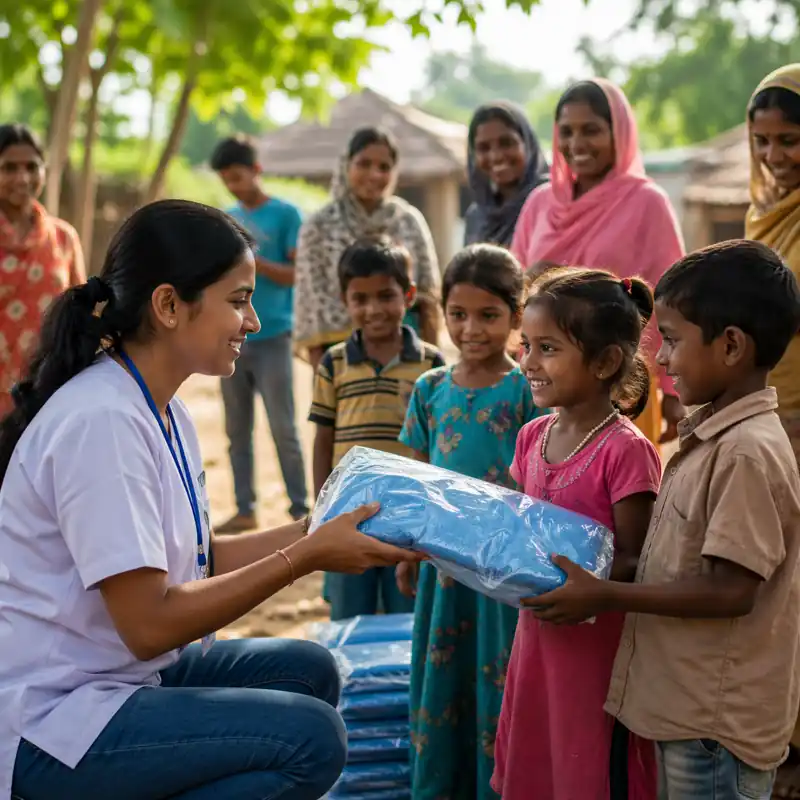
India’s position reflects this wider global reality. The country has made notable progress in reducing malaria, and the national goal of elimination by 2027 has added new focus to prevention and treatment efforts. But malaria in India is increasingly concentrated in harder-to-reach districts rather than spread evenly across the map. That changes the nature of the challenge. It is no longer enough to bring numbers down broadly. The remaining task is to reach places where terrain, poverty, mobility and uneven healthcare access make malaria more persistent.
States such as Odisha, Chhattisgarh, Jharkhand and parts of the Northeast continue to carry a heavier burden than many other regions. In these areas, malaria is shaped by environment as much as medicine. Forested zones, seasonal migration, stagnant water, weaker infrastructure and lower awareness all influence transmission. For people living there, prevention is not only about knowing what to do. It is about whether the tools and services are actually available when needed.
This is why World Malaria Day still matters beyond awareness campaigns and public messaging. The day brings attention to a disease that often becomes less visible precisely when it becomes more concentrated among those with the least voice. The communities most at risk are often the ones most likely to be missed by irregular supply chains, delayed testing and overstretched health systems. Children under five and pregnant women remain especially vulnerable, and in these groups, lost time can quickly become a life-threatening setback.
The strongest response in 2026 will come from combining high-level policy with community-level consistency. That means financing programmes that do not collapse after one funding cycle. It means keeping rapid testing and treatment close to the communities that need them. It means improving drainage, reducing mosquito breeding sites, increasing net use and making sure local awareness is practical rather than generic. It also means accepting that elimination is not only a scientific milestone. It is a delivery challenge.
World Malaria Day 2026 deserves attention because it reflects a rare moment in public health: the world can see a path to ending a major disease, but only if it acts with discipline and urgency. The science has created opportunity. The numbers have created pressure. The theme simply brings those two realities together. Malaria is still dangerous, still unequal in whom it harms and still quick to rebound when the response weakens. For readers following disease prevention, community health and public policy, our Health section covers more reporting and analysis on the issues shaping healthcare outcomes today.
You may like: Diljit Dosanjh Canada tour $1800 ticket and Punjabi music global growth explained

Make Swikblog your go-to source on Google for reliable updates, smart insights, and daily trends.