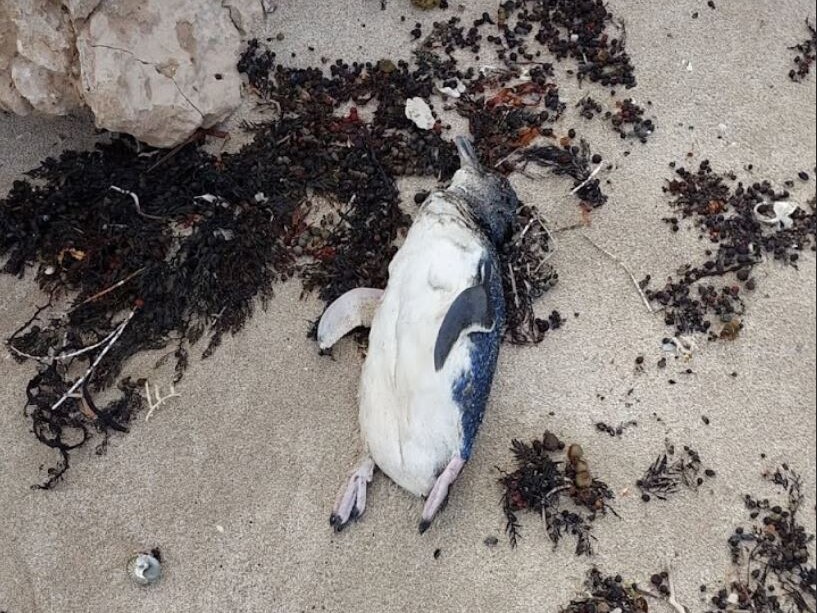
Coastal communities across New South Wales, Victoria and Tasmania are witnessing an alarming rise in dead seabirds — particularly little penguins — washing ashore. Marine experts warn that this emerging pattern may signal deeper ecological distress as warming seas, prey shortages and environmental shocks place unprecedented strain on Australia’s coastal wildlife. The concern follows multiple recent reports, including investigations featured by ABC News, showing unusual mortality clusters across southern Australia.
Wildlife agencies and conservation scientists stress that beachgoers must keep their distance from carcasses and avoid “respectful burials”, after a recent viral incident in Sydney’s Northern Beaches sparked warnings from authorities. While the gesture was well-intentioned, experts note that dead wildlife — especially seabirds — can carry pathogens and must be handled only by trained responders. The NSW National Parks and Wildlife Service and Taronga Zoo continue to examine deceased penguins for infectious diseases as part of ongoing surveillance efforts.
In several cases, penguin carcasses have shown signs of starvation, a trend marine scientists say is linked to broader environmental changes. Similar findings have been documented during mass seabird mortality events, widely reported by The Guardian, where warming waters disrupt prey availability and force birds to travel further for food.
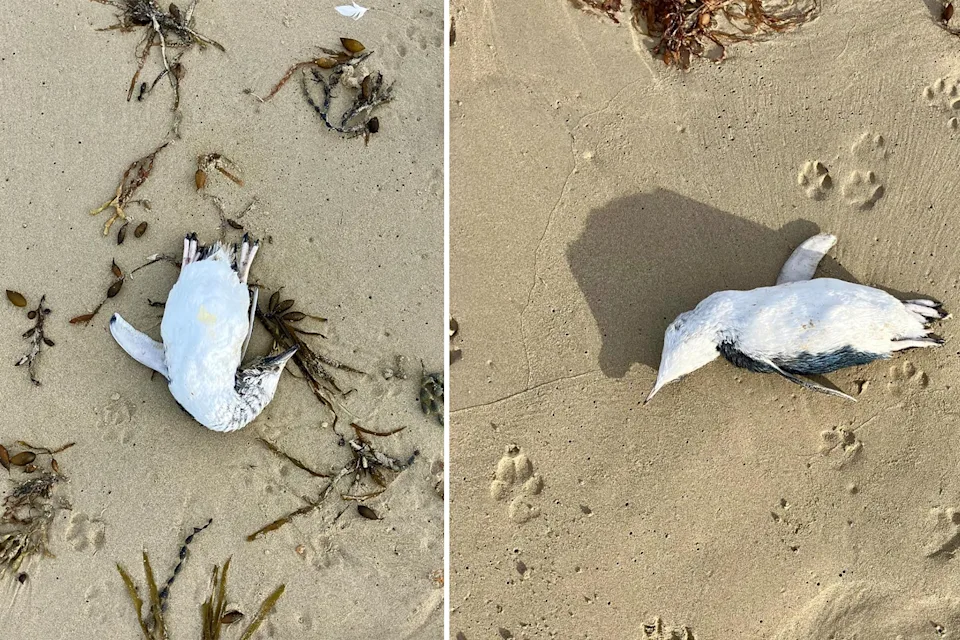
Why Dead Penguins and Seabirds Are Appearing on Beaches
Australia’s Eudyptula novaehollandiae, commonly known as little penguins, are resilient coastal foragers — but the rising number of carcasses is troubling specialists who study seabird populations. Evidence from research organisations suggests that the deaths extend beyond natural seasonal patterns and may reflect sudden ecological stress points.
- Marine heatwaves and prey collapse: Warmer seas can push baitfish deeper offshore, leaving seabirds without accessible food. Researchers including the Adrift Lab have repeatedly warned that warm-water anomalies are wiping out prey sources. Their findings mirror previous mass die-offs documented in reports by AAP / SBS News, where hundreds of shearwaters washed ashore in 2024.
- Algal blooms and ecosystem disruption: Environmental scientists monitoring the Great Southern Reef have recorded harmful algal blooms and oxygen-depleted waters stressing marine life. These blooms — tracked extensively by Great Southern Reef research updates — can accelerate die-offs by choking coastal food webs.
- Historic mortality events: In recent years, thousands of short-tailed shearwaters washed up along the east coast, raising national concern. While migration fatigue was once considered a cause, current ecological assessments — including those covered by The Guardian’s 2024 investigation — indicate deeper climate-linked impacts at play.
Authorities Warn: Do Not Touch or Bury Dead Wildlife
NSW authorities have reiterated that beachgoers should never touch, move, or bury dead seabirds due to potential biosecurity risks. The NSW Government’s wildlife guidelines — accessible via the Department of Climate Change, Energy, the Environment and Water — emphasise maintaining at least a five-metre distance and reporting sightings for safe removal.
Experts also encourage the public to phone the Emergency Animal Disease Hotline or use approved wildlife rescue tools to report sightings rather than intervene directly. These guidelines align with national wildlife safety advice issued by the Australian Biosecurity HPAI program, which monitors possible bird flu risks even though no confirmed H5N1 outbreak exists on the mainland.
Scientists Call for Improved Monitoring and Coastal Data
Marine researchers argue that Australia lacks sufficient long-term seabird monitoring systems, meaning mortality spikes often go unnoticed until large die-offs occur. Conservation leaders — including those from Adrift Lab, whose work is regularly referenced in AAP environmental reporting — note that systematic beach surveys would help distinguish natural events from alarming ecological shifts. Their ongoing updates can be found through Adrift Lab’s research communications.
This seabird crisis forms part of a broader pattern of marine disruption around Australia, where changing sea temperatures, prey movement, and unusual wildlife behaviour have also been observed. Recent events — such as marine activity spikes near Byron Bay’s Tallow Beach — have raised further questions about changing coastal ecosystems. Related coverage can be explored in our internal analysis of shark behaviour at Tallow Beach.
What Beachgoers Can Do
Wildlife authorities urge communities to take the following steps:
- Photograph dead seabirds from a distance and report them to wildlife agencies.
- Keep pets leashed and away from penguin colonies and dune vegetation.
- Avoid touching carcasses or attempting home burials.
- Support marine conservation projects monitoring Australia’s changing seas.
Scientists caution that the rise in seabird deaths could be an early indicator of long-term environmental strain. With rising sea temperatures and shifting food webs, even resilient species like little penguins may face compounding threats in the years ahead. As one researcher put it, “These animals are telling us something — and the coastline is where we’re seeing the message first.”

Make Swikblog your go-to source on Google for reliable updates, smart insights, and daily trends.