
Written by Swikblog Desk | Published: December 16, 2025
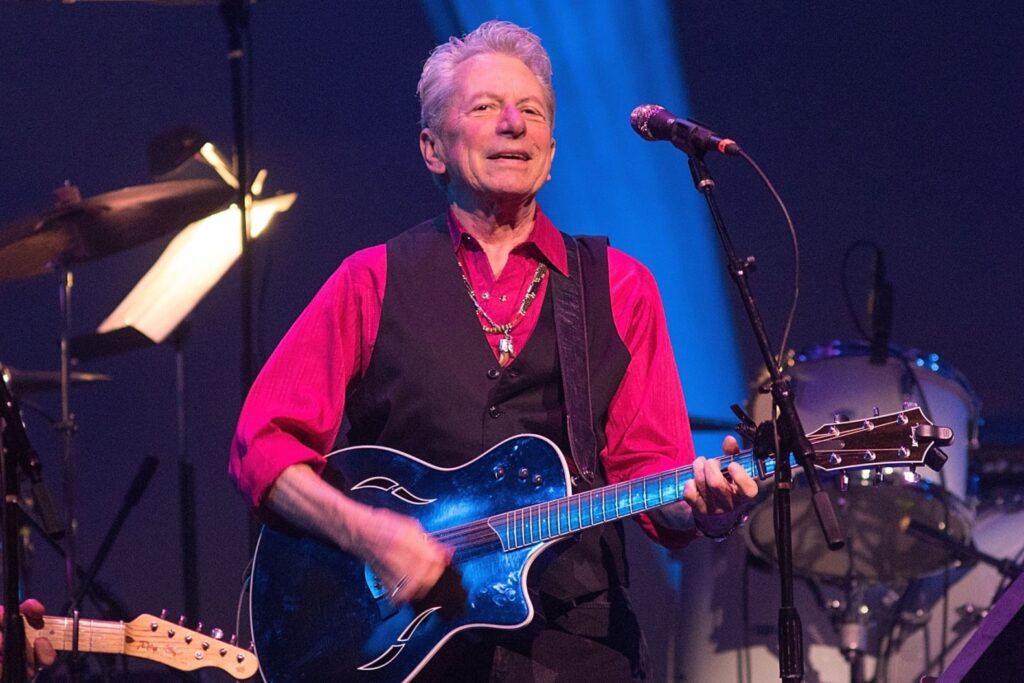
Joe Ely, the Texas-born singer-songwriter and road-worn storyteller admired across generations, has died at the age of 78. For fans of roots music, his passing feels like the quiet fade-out of an endless highway—one he spent a lifetime chasing, map in one hand and melody in the other.
Multiple reports said Ely died from complications linked to Lewy body dementia and Parkinson’s disease, with pneumonia also cited in coverage. His death was reported by outlets including Rolling Stone, Variety, and Billboard.
A voice that sounded like Texas—wide, restless, and real
Joe Ely wasn’t built for neat categories. His music could lean honky-tonk one moment, then swing into rock ’n’ roll swagger the next, and still make room for Tex-Mex color and storyteller grit. That versatility is exactly why his work traveled so far beyond the places that shaped him.
Born in Texas and musically forged in the state’s legendary scenes, Ely became one of those rare artists who made hometown details feel universal. His songs carried dust, neon, late-night laughter, and the ache of leaving—sometimes all in the same verse.
The Flatlanders, the open road, and a career built on momentum
Long before “Americana” became a marketing label, Ely was already living the idea—drawing from country tradition while refusing to stay locked inside it. He was also tied to The Flatlanders, the influential West Texas group that helped shape an entire musical lineage.
Ely’s reputation, though, wasn’t only built in studios. It was built on stages—night after night—where his band could hit like a barroom dancehall and a rock club at the same time. That live-wire energy became part of his legend.
Why punk fans respected him
One of the most remarkable things about Joe Ely’s story is how naturally he crossed scenes that weren’t supposed to mix. Coverage of his career frequently points to the respect he earned far outside traditional country circles—including through touring connections that introduced his Texas sound to audiences who came for louder, faster music and stayed for the songs.
That crossover wasn’t a gimmick. It was Ely being Ely: honest, fearless, and more interested in the truth of a performance than the “right” genre label for it.
A final chapter shared with fans
Earlier in 2025, Ely’s official website shared updates about his health and the family’s decision to speak openly about Lewy body dementia and Parkinson’s disease—framing the moment not as a spotlight on hardship, but as a way to build understanding and awareness. (You can read the official updates via Joe Ely’s website.)
That transparency felt consistent with how he lived and worked: direct, human, and unafraid to show the hard edges of life alongside the beauty.
A tribute to what he leaves behind
Joe Ely leaves behind more than albums and setlists. He leaves behind a standard—of musicianship, of integrity, of storytelling that doesn’t beg for attention but earns it. He made music that could be tough without turning cold, tender without turning sweet, and loud without losing meaning.
For longtime listeners, the best tribute might be the simplest: play a Joe Ely record, turn it up, and let the road come back into the room.
You May Also Like
More music & culture stories on Swikblog

Make Swikblog your go-to source on Google for reliable updates, smart insights, and daily trends.