
Wed 14 January 2026 · By Swikriti
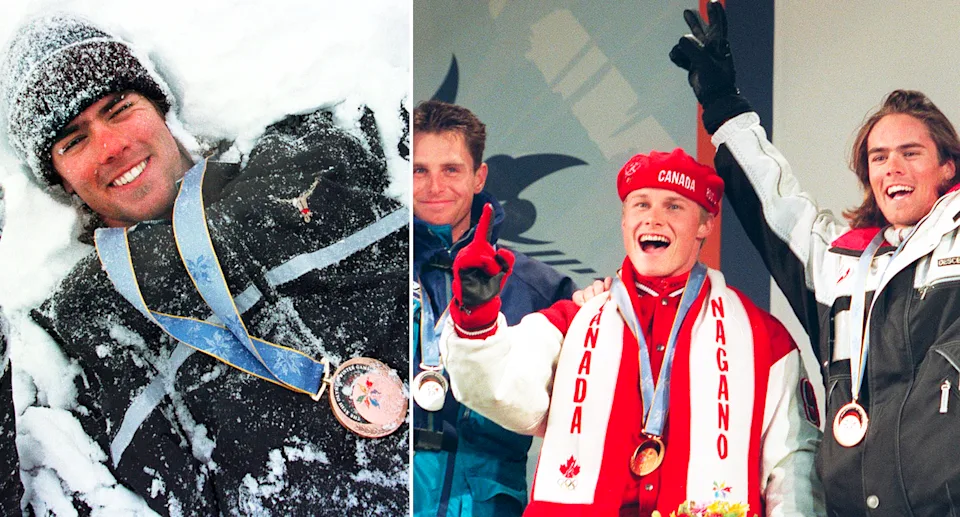
The winter sports community is mourning the death of Swiss snowboarding trailblazer Ueli Kestenholz, who has died after being caught in an avalanche in Switzerland. Kestenholz, 50, was widely remembered for helping define snowboarding’s early Olympic era — including winning bronze in one of the sport’s first Winter Olympic events at the Nagano Games in 1998.
Swiss authorities said the avalanche happened in the Lötschental region of the canton of Valais, a rugged alpine area in southern Switzerland. Local police statements reported the slide struck on the eastern flank of the Hockuchriz peak at around 2,400 metres above sea level, with the cause not yet confirmed.
Reports indicate Kestenholz was with a companion when the avalanche hit. He was assisted at the scene before being transported by helicopter to hospital, but later died from his injuries. His companion was not injured.
“Life is too short for just one sport.” — the line long associated with Kestenholz’s multi-discipline approach to the mountains.
A medal that helped put snowboarding on the Olympic map
Kestenholz’s bronze at Nagano 1998 came at a pivotal moment: snowboarding was still establishing itself on the world stage, and Olympic exposure accelerated the sport’s growth in Europe and beyond. For many fans, his podium finish remains a snapshot of snowboarding’s transition from counterculture to mainstream winter competition.
He later competed at subsequent Winter Olympics and stayed close to the sport after stepping away from elite competition. Over time, Kestenholz became known not only for his results but for how he rode — and for the way he encouraged a more expansive “mountain athlete” identity that blended performance with exploration.
From competition to extreme sports pioneer
After retiring from the competitive circuit, Kestenholz continued as a professional outdoor athlete, focusing heavily on freeriding and pushing into newer disciplines. In Switzerland, he was associated with emerging high-adrenaline sports such as speed riding and speed flying — activities that combine lightweight wing flight with steep alpine terrain.
Tributes have flowed in from fans and athletes, many highlighting not only his Olympic moment but his willingness to evolve — from snowboard racer to freerider, and from mountain rider to aerial sports innovator. His death comes at a sensitive time for winter sport, with the Milano–Cortina 2026 Winter Olympics approaching in early February.
What we know so far
- Swiss authorities said an avalanche struck in the Lötschental area of Valais on the flank of Hockuchriz at roughly 2,400m.
- Kestenholz was reportedly with a companion, was recovered and flown to hospital, and later died from his injuries.
- The cause of the avalanche has not been publicly confirmed.
For readers looking for broader context on recent avalanche tragedies involving skiers and winter athletes, you can also read our related report here: Avalanche in the French Alps: British skier tragedy in La Plagne .
Avalanche risk can change rapidly with weather, wind loading, and snowpack conditions. If you’re travelling into alpine terrain, it’s worth checking official local guidance and bulletins before heading out — including updates provided by regional authorities and snow safety organisations. (For Switzerland-specific information and updates, readers can follow official announcements via the Swiss ski federation at Swiss-Ski and local safety updates through canton and mountain services.)
Kestenholz is survived by his two children. The outpouring of tributes underscores the scale of his impact — not only as an Olympic medallist, but as a rider who helped expand what winter sport could look like once the medals were won.
Sources: Reporting and statements cited by major international outlets including Reuters and official federation updates from Swiss-Ski.

Make Swikblog your go-to source on Google for reliable updates, smart insights, and daily trends.