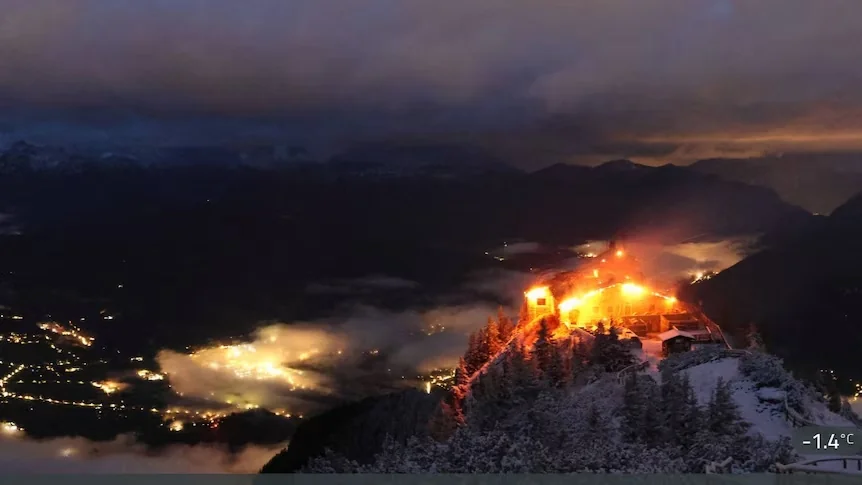
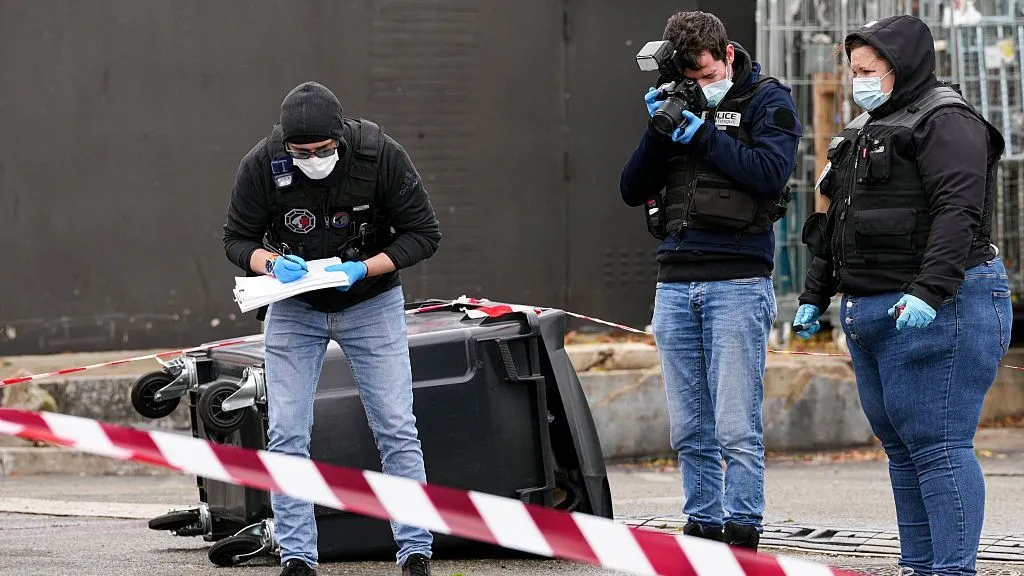
A British skier, believed to be in his 50s, has died after being caught in an avalanche while skiing off-piste at the La Plagne resort in the French Alps, in an incident that has intensified warnings about dangerous snow conditions across the region. Reports from The Guardian’s coverage of the La Plagne avalanche said the tragedy unfolded on Sunday afternoon, triggering a major rescue operation.
What happened in La Plagne
Authorities and resort officials said the skier was on terrain outside the resort’s marked pistes when the avalanche struck. La Plagne reported that rescue teams received an alert at around 1:57pm local time and immediately deployed to the site with a large multi-agency response.
The search reportedly involved more than 50 personnel, including medics, ski school instructors and specialist rescuers, along with search dogs and helicopter support. After around 50 minutes, the man was located buried under roughly 2.5 metres of snow. Despite attempts to revive him, he was pronounced dead at the scene. The resort later expressed condolences to the victim’s family and friends.
Key details investigators are focusing on
- Location: Off-piste terrain in the La Plagne area (outside marked, patrolled runs).
- Equipment: Resort statements said the skier was not carrying an avalanche transceiver (beacon), which can dramatically speed up location and rescue in a burial.
- Guidance: The resort said he was not with a professional guide at the time.
A wider, deadly weekend in the Alps
The La Plagne fatality came during a weekend of multiple avalanche incidents across the French Alps. French and international reports linked to AFP described several separate avalanches leading to multiple deaths, with officials again urging extreme caution and discouraging off-piste travel in high-risk zones. Le Monde’s report citing AFP on the weekend’s avalanche deaths noted authorities had warned of a high avalanche risk ahead of the weekend and recorded multiple avalanche events in resort areas.
Why avalanche danger can spike quickly
Avalanche danger often rises sharply when fresh snowfall sits on top of older layers that haven’t bonded properly, creating weak interfaces that can fracture. Wind can further load slopes by forming dense “slabs” that may release with minimal extra weight — including from a single skier. During high-danger periods, authorities often warn that natural avalanches are more likely and that human-triggered releases can be large.
Resorts and local bulletins typically communicate risk using the 1-to-5 European danger scale, with “4” indicating a high likelihood of avalanches in many areas. Visitors to La Plagne can find resort-area safety information and links to local updates via the official La Plagne avalanche bulletin page.
Off-piste safety: what experts emphasise
Off-piste skiing is not the same as skiing on marked runs: terrain is typically not secured or controlled, hazards can be hidden, and rescue can be slower without the right equipment. Mountain safety guidance commonly stresses:
- Check avalanche danger ratings and local bulletins before leaving marked pistes.
- Carry essential rescue kit (beacon/transceiver, probe, shovel) and know how to use it.
- Consider a qualified guide in unfamiliar terrain, especially when danger is elevated.
- Avoid steep, wind-loaded slopes and terrain traps (gullies, bowls) during high-risk periods.
Authorities in the region have repeatedly urged visitors to treat warm sunshine and “good visibility” days with caution — because stable-looking weather can mask an unstable snowpack beneath.
How we verified this: This article is based on reporting and statements summarised by established outlets, including The Guardian and Le Monde (AFP), plus official resort safety resources.

Make Swikblog your go-to source on Google for reliable updates, smart insights, and daily trends.