The Insurance Council of Australia (ICA) has escalated its response for Victorian fire-affected communities, prioritising urgent claims and deploying extra on-the-ground support as residents begin returning to damaged properties.
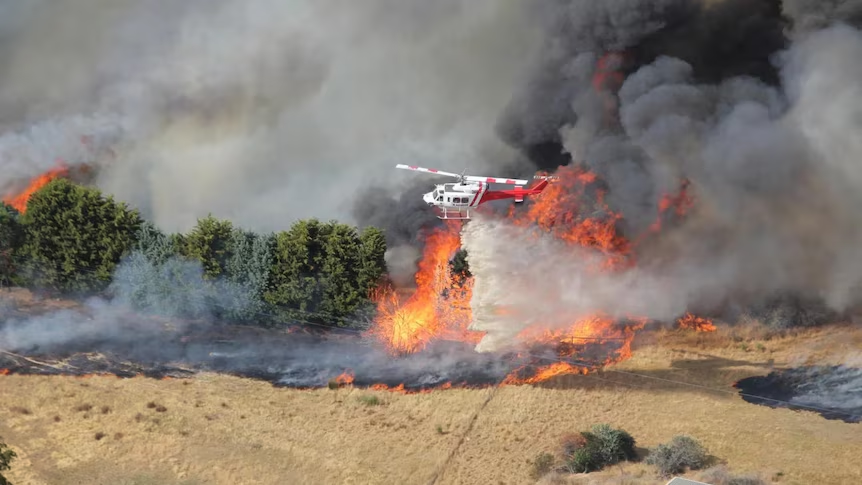
The Insurance Council of Australia has upgraded the Victorian bushfires response to an Insurance Catastrophe, a move designed to accelerate claims handling and intensify the insurance industry’s coordination as the scale of damage becomes clearer. The fires have impacted 18 local government areas across Victoria since January 7, and insurers expect claim numbers to keep rising as access improves and more residents are able to assess their losses.
What the Catastrophe declaration changes
An ICA “Insurance Catastrophe” declaration is a formal escalation that puts the industry into a higher-response gear. It is intended to ensure claims from affected policyholders are triaged and prioritised, with faster pathways for those facing the most severe loss — including destroyed homes and businesses. It also strengthens coordination between insurers, local services, and recovery hubs once emergency services deem it safe to enter impacted areas.
- Priority claims triage for the worst-hit policyholders (including urgent assistance).
- Increased on-the-ground insurer support at recovery centres and community locations.
- Disaster response specialists mobilised to help with assessments as soon as access is cleared.
- Industry taskforce established to identify issues and keep claims moving.
ICA deputy CEO Kylie Macfarlane said insurers’ priority is helping people as quickly as possible, and urged Victorians to contact their insurer and lodge a claim even if they don’t yet know the full extent of damage.
Claims snapshot: thousands lodged, total-loss risk rising
The ICA says that, following its initial “significant event” declaration, insurers have been able to better assess the recovery effort now required. As of today, 2,369 claims have been lodged across property, commercial and motor insurance lines. Early indications suggest around 30% of property claims may be total losses, and the ICA expects commercial impacts to be significant as well.
A key reason claim volumes are expected to climb is simple: many people have not yet had safe access to properties. As communities return, brokers and insurers typically see a second wave of lodgements — including structural damage discovered later, smoke contamination, contents losses, business interruption, and motor claims linked to fire zones.
Where insurers are providing on-the-ground support
Insurers have been maintaining an in-person presence to help affected residents start claims and understand next steps. The ICA said insurer support at the Castlemaine Recovery Centre will continue into next week, and on-the-ground assistance is also continuing in Natimuk and Skipton.
Access into Longwood is being closely monitored, while insurers remain on standby to support surrounding communities including Harcourt as soon as emergency services clear entry.
What to do if you’re affected: practical next steps
If you’re in an impacted area, these steps can help you move faster once it’s safe:
- Lodge a claim early — you can submit even if you haven’t returned yet or don’t know the full damage.
- Document what you can safely (photos/video, receipts, lists of damaged items) — only when authorities say it’s safe.
- Ask about emergency help (temporary accommodation, urgent repairs, or hardship support where available).
- Track warnings and access updates via the official state emergency channel: VicEmergency.
For official recovery hubs, relief centre locations, and Victorian Government support links, see: January 2026 Victorian bushfires (vic.gov.au). People seeking financial assistance can also check eligibility and payment details through Services Australia’s bushfire support pages: Services Australia — Victoria bushfires support.
Why the Catastrophe call signals a longer recovery
The Catastrophe upgrade is a signal that the insurance industry expects a complex and sustained recovery — not just a surge of claims, but difficult assessments across multiple regions, major rebuilding decisions for total-loss homes, and significant commercial impacts. It also reflects the reality that claim numbers often continue rising for days or weeks after the peak emergency phase, as residents return and damage becomes fully visible.
More bushfire news
For more updates and related coverage on the fire situation, recovery hubs, warnings, and community impacts, browse our latest posts here: More news on bushfires.
Note: Always follow official advice before returning to a property. If you’re unsure about access, check the latest incident warnings and local instructions via VicEmergency.

Make Swikblog your go-to source on Google for reliable updates, smart insights, and daily trends.