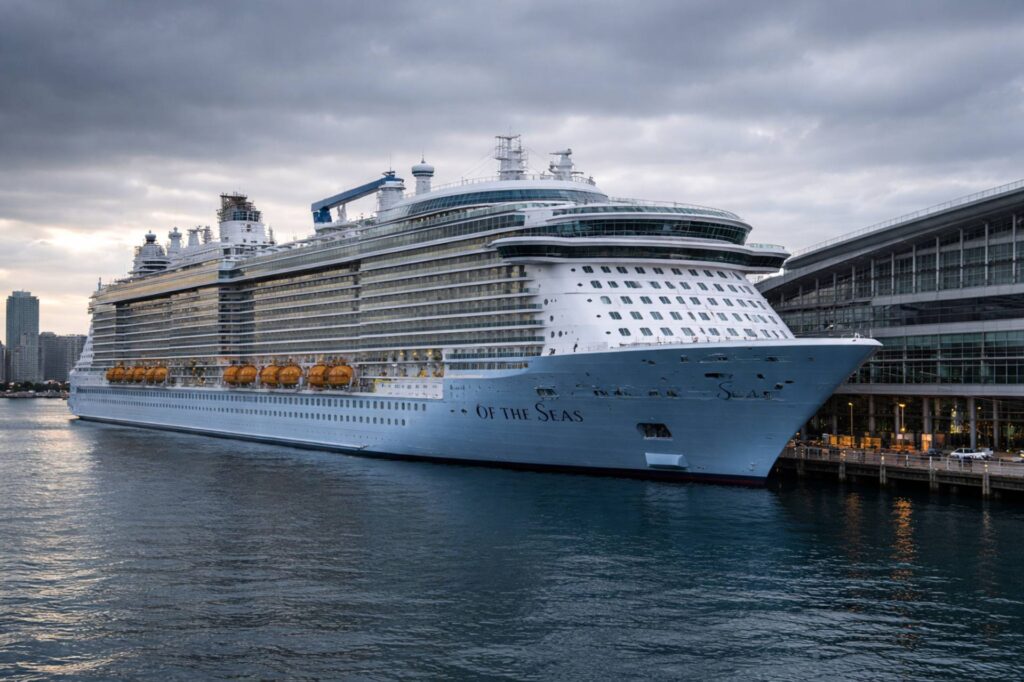
Royal Caribbean has cancelled an upcoming sailing of Anthem of the Seas after the ship reported a technical issue that disrupted its schedule and forced an urgent return for maintenance. For passengers who had been counting down to departure day, the change landed with little warning: a cruise they thought was locked in is now off the board, and travel plans built around it may need a fast, frustrating reset.
The cancelled trip was due to depart from Sydney and was widely expected to draw strong demand, with the ship positioned for an Australia-and-New Zealand season. But according to notifications sent to booked guests, the line said the vessel experienced a technical problem on its prior sailing and needed required maintenance that couldn’t be completed in time for the next departure. Cruise industry reporting indicates the issue is connected to propulsion, which can limit speed and make tight turnarounds impossible when a ship is working against the clock.
Why does one technical fault have such an outsized impact? Because modern cruise itineraries are built like dominoes. A ship returning late compresses everything that happens between voyages: inspections, refuelling, provisioning, deep cleaning, baggage logistics, crew operations, and the passenger embarkation flow that keeps a terminal moving. When the margin disappears, a line can either push a departure into the red — risking a chaotic start and potential safety or compliance issues — or cancel and focus on repairs so the ship can re-enter service properly.
For many travellers, the more immediate question is what happens to their money and their plans. Royal Caribbean’s standard approach in these situations is to process a full refund back to the original payment method and unwind any cruise-line purchases tied to the cancelled sailing. That typically includes items such as pre-paid gratuities, shore excursions purchased through the cruise line, and certain onboard packages. Guests who booked independently will also be weighing sunk costs like flights, hotels, transfers, and time off work — the parts of a holiday that don’t always refund neatly.
Some passengers may also be offered additional goodwill gestures — often in the form of future cruise credit — depending on the booking channel and the timing. If you’re impacted, the smartest move is to check the exact wording in the cancellation notice you received, then compare it with what your travel insurer covers. Keep copies of receipts for non-refundable expenses and document any airline change fees or accommodation penalties. Even when reimbursement isn’t guaranteed, having clean paperwork makes any claim or appeal far easier to pursue.
If you’re wondering whether this could snowball into more changes, it depends on how quickly repairs are completed and whether the ship’s revised arrival time affects the next turnaround. Cruise lines rarely cancel more sailings than they have to, but they also won’t gamble with a complex, high-capacity ship until engineers are satisfied. In the short term, you may see itinerary tweaks, late port arrivals, or schedule reshuffles as the line tries to protect the rest of the season.
If you’re booked (or you’re watching this story because someone you know is), here’s a practical checklist to run through today:
- Look for the official cancellation email or notification in the booking account and save it as a PDF.
- Confirm the refund method and timelines, and verify whether pre-paid add-ons are included.
- If you booked flights or hotels, contact providers immediately to minimise change fees.
- If you used travel insurance, open a claim early and upload receipts and the cancellation notice.
- If you booked via a travel agent, let them handle rebooking options and supplier communication.
Cruise watchers say propulsion-related problems can be rare but consequential — not because ships aren’t maintained, but because these systems are complex and the operational cadence is relentless. When an issue affects speed or manoeuvrability, the cruise line’s priority shifts quickly from keeping the timetable to restoring the vessel’s performance and reliability. A cancelled sailing is the bluntest tool, but sometimes it’s the only way to create the time and space repairs require.
Details of the cancellation and the underlying issue have been covered by cruise industry outlets, including Cruise Industry News, as passengers share updates and the ship works back into schedule. For ongoing coverage and more travel news on Swikblog, you can also visit Swikblog.
For now, the key takeaway is simple: if your sailing was cancelled, don’t wait. Move quickly on flight and hotel changes, keep everything in writing, and follow the cruise line’s instructions step by step. In travel, time is money — and the fastest responders usually lose the least.