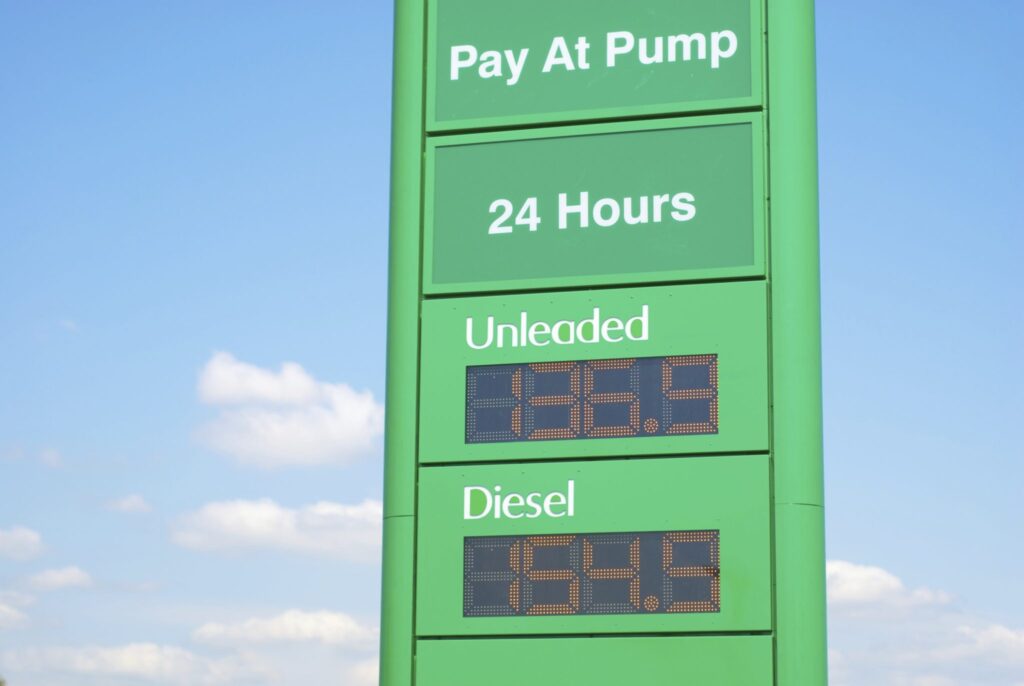

Petrol prices in New Zealand have increased sharply in the first week of the Middle East conflict, with some motorists now being asked to pay more than $3 a litre for 95 petrol as higher oil prices begin flowing through to the pump.
Motorists contacted RNZ upset at being asked to pay more than $3 in Kapiti outlets. On Friday morning, Z Kapiti Road was recording $3.019 for 95 and g.a.s Waikanae was at $3.059 for 95, according to Gaspy. Mike Newton, spokesperson for Gaspy, said other more isolated parts of the country were also at or near that level, with NPD Fox Glacier at $3.089 for 95 and Greymouth stations also around the $3 mark.
An Otaki grandmother told RNZ she was encouraging others to be strategic in how they filled their cars. She said she had filled up the previous day and then filled up again before prices moved even higher, because in her view it was only a matter of time. Kapiti Coast resident Bill Turner said the price of 91 petrol was up 12 cents at his local station in the last week, and said it made staying within his household budget almost impossible. He said he was lucky to have a business because he should be retired but was still working to pay for fuel.
Fuel prices are rising as global oil markets react
Newton said more and more stations were getting closer to the $3 threshold for 95 and that ongoing uncertainty in the Middle East was likely to keep prices moving higher. He compared the situation with the period after Russia first invaded Ukraine, when motorists also saw large price increases. He said there was perhaps even more uncertainty now because of the scale of concern around Iran and the wider oil market, with uncertainty over where the situation would go and how long it might last.
He said the national average for 91 petrol was now $2.66 a litre. He added that oil companies were already pricing in expected increases, even if they were not yet buying oil at the higher rates, because they expected those higher costs were coming. In Kapiti, he said stations had recorded increases of between 8 cents and 15 cents in the past week, which was above both the national and regional averages.
Newton said the Wellington region was up about 4 cents over the same period. He said some of that difference could be driven by discount retailers. He noted that Paraparaumu had a NPD station that had only gone up 6 cents, suggesting discount operators were perhaps not moving as quickly, although in Paraparaumu the rest of the market did not appear to be following that lead. He also said Nelson had experienced an increase of about 6 cents on average, while 3 to 4 cents was the norm for most other regions.
Some drivers are already paying more than $3 for 95
The price pressure is especially clear in the upper-grade fuels. RNZ reported that the price of 95 petrol had hit $3 in some parts of the country as conflict in the Middle East pushed up oil prices. In Wellington, AA policy adviser Terry Collins said he had been able to fill up on Tuesday at $2.34 a litre for 91, which he described as still seeming like good value at the time. By Friday, he said, $2.48 or $2.50 was already starting to look like a good deal.
Collins said that for 91 petrol, about $2.70 was the top end in the Wellington region. Gaspy noted Mobil Karori at $2.79 and Z Taranaki Street at $2.85. He said oil futures for April had reached US$85 a barrel, about 12 cents more than a week earlier, and said that at the beginning of the week he had expected oil to reach US$80 by the end of the week, but it had already moved to US$85.
He said the longer the fighting continued, the stronger the upward trajectory in price would be. In previous times of disruption, the price of a barrel had hit US$120. Collins said US$100 a barrel would not surprise him and that geopolitical shocks take time to readjust supply chains. He said he had bought fuel on Monday knowing he was not going to get it cheaper for a little while, and he could not see it getting cheaper in March because it was on an upward trajectory.
Economists say the wider price effect is starting to come through
Infometrics chief executive Brad Olsen said 95 reaching the $3 benchmark was a sign of the wider trend. He said the latest MBIE reporting for the week of February 27 had average 91 prices at about $2.53, and Infometrics estimated that based on where oil prices were the previous day, motorists could see something like a 30 cent-plus per litre increase over the next week or so.
Olsen said if oil prices reached US$100 a barrel, it could push 95 petrol to $3.20 or $3.30 a litre. He said the hit was starting to come through and that the risk of it going further remained high. He also said that fuel already in New Zealand was helping to moderate prices for now, but that prices usually rise faster than they fall on the other side of a shock because fuel bought at higher prices still has to be sold at those higher levels.
He said that during times of challenge, companies often buy fuel at elevated prices because they do not know when the next major shipment will arrive. Even if oil prices begin easing before the conflict fully ends, another shipment may already have been ordered at the higher price and still needs to be sold through the local market.
Diesel is also expected to rise and add pressure to inflation
Olsen said it was also important to note that diesel prices would rise, which would affect the commercial sector and put further pressure on inflation. If transport costs across the board increase and businesses start passing on those higher operating costs in their own prices, that creates another layer of inflation concern.
He said that even now, the wider aim of getting inflation back within the target band and moving it toward 2 percent would likely have to be pushed out because of the increase in oil prices. That means the fuel story is not only about what drivers pay at the pump, but also about the possible knock-on effect for goods, services, freight, and household budgets more broadly.
Fuel companies say global costs, shipping and the weaker New Zealand dollar matter
A spokesperson for Z said global market prices move daily and local competitive pressures can also shift, so the company continually reviews costs and market conditions and makes changes as needed. The spokesperson said the conflict in Iran had driven up global refined fuel costs, which is the international market cost of petrol and diesel after crude oil has been processed in refineries.
Because New Zealand imports refined fuel, those global costs directly affect what it pays to bring fuel into the country. Z also said the instability had increased shipping and insurance costs, while the weaker New Zealand dollar had made imported fuel more expensive. The company added that fuel prices can also vary between locations because pricing in New Zealand is localised.
BP also said it was reviewing prices every day to ensure competitiveness. The company noted that there are also a number of independent BP operators around the country who set their own prices and manage their own operations, which can contribute to different prices from one location to another.
Price watch: Petrol prices have increased by as much as 14 cents in the first week of the Middle East conflict, 95 petrol has moved past $3 a litre in some parts of New Zealand, oil futures have reached about US$85 a barrel, and analysts say further increases remain possible if the conflict continues.

Make Swikblog your go-to source on Google for reliable updates, smart insights, and daily trends.