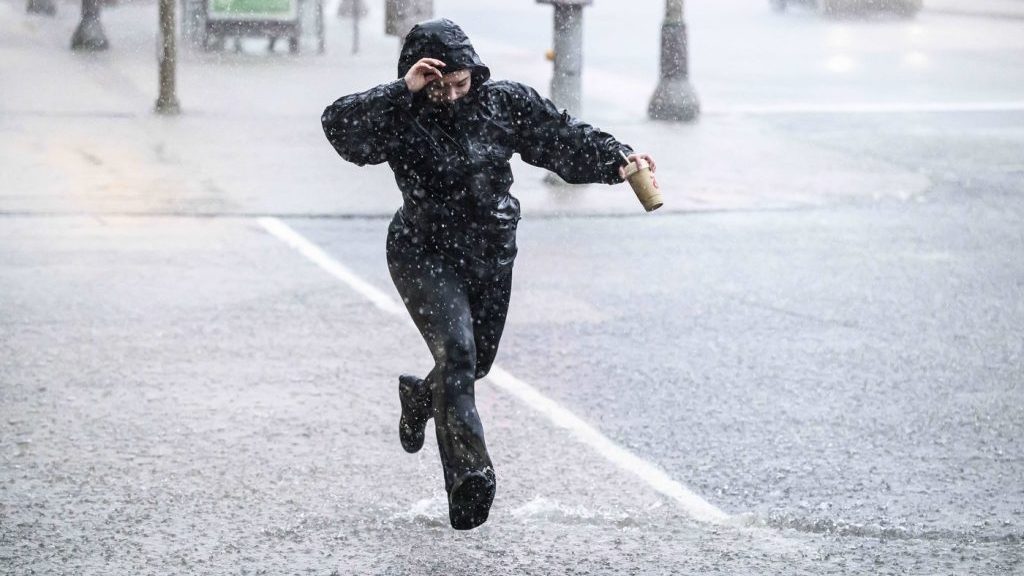

Spring has officially arrived, but the latest spring weather in Canada is behaving more like the peak of winter. Instead of mild temperatures and melting snow, large parts of Ontario are facing fresh snowfall, freezing rain, and below-normal temperatures. From Ottawa to Greater Sudbury and surrounding regions, forecasts are calling for yet another round of disruptive weather just as the season changes.
This unexpected start to spring is being driven by a stubborn cold air mass, and forecasters warn that winter-like conditions may persist not just for a few days, but for much of the remainder of March. Snowfall totals of 5 to 12 centimetres, combined with freezing rain and icy roads, are already triggering weather alerts and impacting daily life.
Ottawa sees flurries all week as temperatures stay near freezing
In Ottawa, the first full days of spring are unfolding under cloudy skies and steady flurries. According to Environment Canada, snowfall is expected to continue throughout the entire week, with the heaviest burst arriving Saturday night, bringing around five centimetres of accumulation. While snowfall may taper to lighter flurries by Sunday afternoon, it is not expected to fully disappear anytime soon.
Temperatures are forecast to hover around the 0°C mark during the day, creating conditions where snow, slush, and ice can quickly build up. Overnight, the cold intensifies significantly, with lows expected to plunge to -13°C by midweek. These readings are notably below seasonal averages, where typical highs range between 3°C and 4°C, and lows sit near -6°C.
For the latest official forecasts and alerts, readers can monitor updates directly from Environment Canada.
Polar vortex influence keeps Canada colder than normal
Weather experts point to a lingering “lobe of the polar vortex” as the main reason behind this unusually cold and unstable start to spring. This leftover Arctic system is allowing cold air to spill southward across eastern Canada and the Great Lakes region, preventing temperatures from rising to typical spring levels.
As a result, much of the precipitation is falling not just as snow, but as a mix of flurries, freezing rain, and ice pellets. Meteorologists warn that this mixed precipitation pattern could persist through at least the rest of March and possibly into early April, before gradually transitioning into more consistent rainfall later in the spring season.
Sudbury and surrounding regions face another 5–12 cm snowfall
In Greater Sudbury and nearby districts, conditions are even more intense. Environment Canada has issued a Special Weather Statement warning of 5 to 12 centimetres of snowfall expected within a short time frame. Snow is forecast to begin around noon in western areas and spread eastward through the afternoon, reaching regions near the Quebec border before tapering off later in the evening.
This system is being driven by an Alberta clipper — a fast-moving weather system known for producing bursts of snow and rapidly changing conditions. While these systems typically bring lighter precipitation overall, they can still create hazardous travel conditions due to sudden heavy snowfall and reduced visibility.
According to The Weather Network, Alberta clippers are particularly disruptive because of their speed and ability to quickly cover large regions.
Ongoing recovery efforts disrupted by fresh snowfall
The timing of this new storm is especially challenging for Sudbury, which is still recovering from a historic snowfall event earlier in the week that dumped more than 42 centimetres of snow. Cleanup efforts had only just reached a point where all streets received at least one pass from snowplows, and crews had begun widening roads and clearing sidewalks, laneways, and cul-de-sacs.
With new snow now falling, those recovery efforts are being slowed down significantly. The city remains under a Significant Weather Event declaration, meaning standard timelines for snow removal — such as clearing roads and sidewalks within 24 hours — are no longer in effect.
To support cleanup operations, parking bans have also been put in place, allowing crews and contractors to continue clearing snow more efficiently. However, many sidewalks remain covered, and navigating the city continues to be difficult for both pedestrians and drivers.
Travel risks increase as snow, ice and freezing rain combine
The biggest concern across affected regions is not just snowfall totals, but the combination of different precipitation types. As temperatures fluctuate around the freezing point, snow can quickly turn into slush, then refreeze into ice, creating dangerous conditions on roads and walkways.
Environment Canada warns that untreated roads may become icy and slippery, while visibility could be reduced during heavier bursts of snowfall. Motorists are being advised to allow extra time for travel, maintain safe distances, and prepare for rapidly changing road conditions.
In some areas, particularly near Sault Ste. Marie and Manitoulin Island, temperatures may briefly rise above freezing, allowing precipitation to switch to rain before dropping back below zero again. This freeze-thaw cycle increases the risk of black ice and makes conditions even more unpredictable.
A colder, wetter start to spring across Canada
Overall, the early pattern for spring weather in Canada is shaping up to be colder and wetter than usual. Instead of a quick transition into mild conditions, the country is experiencing a prolonged overlap between winter and spring, with multiple waves of snow and mixed precipitation.
Forecasters expect this pattern to continue for at least the first half of the season, particularly across regions near the Great Lakes. However, there is some relief ahead. Temperatures are expected to gradually return to normal levels later in the spring, with more consistent rainfall replacing snow as April and May progress.
Winter isn’t done yet
The message for Canadians is clear: winter is not finished, even if the calendar says otherwise. With more snowfall, freezing rain, and cold temperatures still in the forecast, residents should remain prepared for winter-like conditions in the days and weeks ahead.
From delayed commutes to extended snow cleanup efforts, the lingering grip of winter is making its presence felt across the country. Spring will arrive eventually, but for now, Canada is still firmly in the hands of a late-season chill.
You may also like: Cuba oil crisis deepens as 730K barrels remain stuck amid US sanctions and Russia supply pressure

Make Swikblog your go-to source on Google for reliable updates, smart insights, and daily trends.