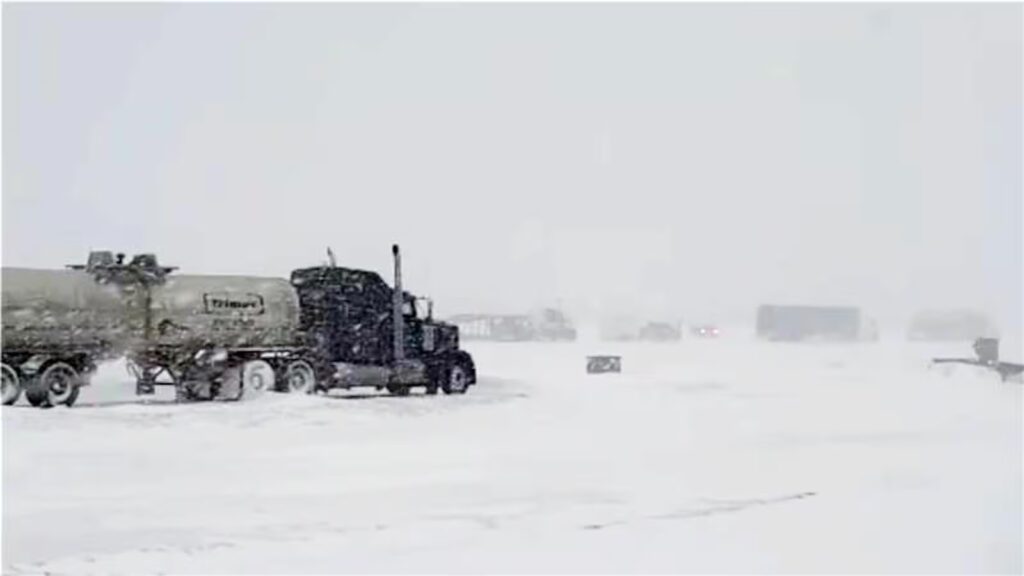

A late-season snowstorm has thrown travel across parts of Alberta into chaos, closing a major route to Fort McMurray and leaving drivers stuck for hours as police warned that road conditions had become too dangerous for normal traffic.
Highway 63, one of northern Alberta’s most important transportation links, was shut down after heavy snow, strong winds and poor visibility contributed to multiple crashes south of Fort McMurray. RCMP described conditions in several areas as treacherous, with blowing snow and icy surfaces making it difficult for emergency crews and tow operators to reach stranded vehicles.
Reminder: Hwy63 from jct Hwy881 to Mariana Lake and NB Hwy63 at Wandering River – remain CLOSED due to multiple MVC's and hazardous road conditions. Maintenance crews have been working non-stop; plowing and sanding in progress. (8:22am) #ABRoads #ABStorm #ymm pic.twitter.com/WqsvnriLDj
— 511 Alberta (@511Alberta) April 24, 2026
The worst disruption was reported on the stretch of Highway 63 between Highway 881 and mile marker 140, where police said the road became impassable following extreme weather and collisions Thursday night into Friday. A wider section of the corridor, roughly between Crow Lake Provincial Park and Fort McMurray International Airport, was also listed as unsafe for travel.
The storm trapped an unknown number of people on the highway overnight. Several semi-trucks were seen stranded along the route, and one transport truck reportedly blocked northbound traffic near Sand Tiger Lodge, leaving vehicles backed up with few options to move.
Emergency crews responded by delivering food and fuel to people stuck in their vehicles. Police also escorted tow trucks into the affected area, a sign of how difficult the recovery operation had become as wind continued pushing snow across the highway.
There were no confirmed injury details immediately available, but officials made clear that the danger was not limited to one crash scene. With visibility changing quickly and road surfaces covered in snow and ice, authorities urged drivers to avoid the area rather than risk becoming stranded themselves.
Highway 63 is a vital route for Fort McMurray, workers, commercial transport and nearby communities. When it shuts down, the impact can spread beyond regular traffic delays, affecting commuters, supply movement and emergency access in a region where alternate routes are limited.
Highway 881 was also badly affected. Near Hearth Lake, north of Edmonton, a collision involving two semi-trucks blocked the highway in both directions. RCMP described the road conditions there as extremely difficult and asked motorists to stay away while crews dealt with the crash.
The storm’s reach extended into eastern Alberta as well. Areas around Kitscoty, Vermilion and Lloydminster reported icy highways, strong winds, blowing snow and very poor visibility. Travel was not recommended on Highways 897, 41, 45 and 16 after police responded to multiple collisions.
Drivers were advised to monitor official road reports through 511 Alberta, which provides live highway conditions, closures, traffic incidents and camera updates across the province.
The timing of the storm made the disruption more striking. By late April, many Albertans are preparing for spring driving rather than winter emergencies. But the latest system showed how quickly conditions can deteriorate when cold air, moisture and wind combine over long stretches of open highway.
For truck drivers, the storm created especially difficult conditions. Large vehicles need more time to stop on icy roads, and blowing snow can make lane markings, shoulders and stopped traffic difficult to see until it is too late. Once a semi becomes stuck or jackknifed, clearing a remote highway can take hours, particularly when tow crews must reach the scene through the same poor conditions.
Officials did not give a firm timeline for reopening the worst-hit sections of Highway 63. Before traffic can resume safely, crews must remove stranded vehicles, clear crash scenes, assess the road surface and determine whether visibility has improved enough for drivers to pass through.
Police and highway officials continued to stress that motorists should not try to bypass closures or travel through areas where roads have been marked unsafe. Even a short trip can become dangerous when snow is drifting, winds are high and emergency access is limited.
Anyone who must travel in affected parts of Alberta should carry winter supplies, including warm clothing, blankets, water, food, a flashlight and a charged phone. Drivers are also being urged to keep fuel tanks filled and tell someone their route before leaving.
The Alberta storm is a reminder that spring weather in the Prairies can still produce severe winter hazards. Sunshine and milder temperatures may return quickly after a system passes, but highways can remain dangerous long after snowfall begins to ease, especially where crashes, drifting snow and ice have already built up.
For now, the safest message from authorities is clear: avoid non-essential travel in the hardest-hit areas, follow RCMP instructions and check live road updates before heading out.
As crews continue working south of Fort McMurray and across other affected corridors, hundreds of stranded or delayed drivers are waiting for conditions to improve enough for Alberta’s key northern highways to reopen safely.
You may like: Wisconsin Weather Alert: 51,000 Without Power as Storms Hit

Make Swikblog your go-to source on Google for reliable updates, smart insights, and daily trends.