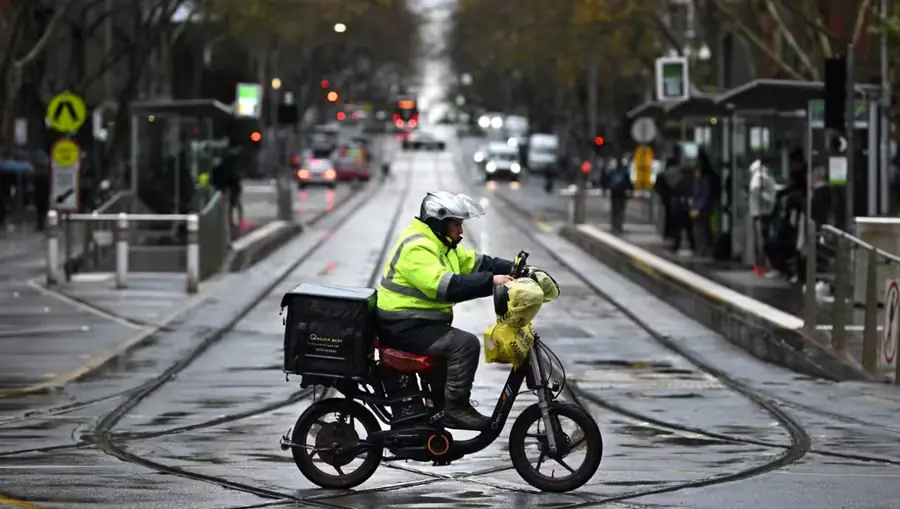

Australians are heading into the Easter long weekend with a mix of determination and caution, as soaring petrol prices and localized fuel shortages begin to reshape travel plans across the country. While authorities are urging people to continue with their holiday plans, the reality on the ground suggests many are quietly adjusting.
At the heart of the disruption is a fuel supply strain linked to the ongoing Middle East conflict, now stretching into its sixth week. Australia imports nearly 90% of its fuel, making it particularly vulnerable to global shocks. Although the government maintains there is no immediate nationwide shortage, the pressure is clearly visible — especially in regional areas.
Energy Minister Chris Bowen confirmed that more than 300 service stations across Australia are currently without diesel, with most of the outages concentrated in rural regions where resupply takes longer. In states like New South Wales, Victoria and Queensland, dozens of stations have reported running out of diesel, while some have also faced shortages of unleaded petrol.
Despite this, officials are encouraging Australians to go ahead with their Easter travel plans, but with a message of restraint. Drivers have been advised to avoid panic buying and only purchase the fuel they need. Travellers heading to regional areas are also being urged to fill up in major cities before departure to ease pressure on smaller towns.
The situation has already begun to influence behaviour. A survey conducted in March found that around 24% of drivers are now combining trips to conserve fuel, while more than 40% have reduced their driving by 10% to 30%. For many households, the rising cost of fuel is becoming a key factor in how — and how far — they travel.
Even so, the expected wave of cancellations hasn’t fully materialised. Tourism operators say bookings for holiday parks and resorts have only seen a slight dip. Easter remains one of the busiest travel periods in Australia, and for many families, the importance of spending time together outweighs the rising costs.
Still, travel looks different this year. Long-distance travellers, particularly those touring the country in caravans, are feeling the impact more sharply. Some have chosen to extend stays at certain locations rather than continue driving, while others are frequently topping up their tanks out of concern they may not find fuel at the next stop.
“No diesel” signs at service stations in smaller towns have become an increasingly common sight, adding to uncertainty for those venturing off major routes. For some, the experience has drawn comparisons to a “soft lockdown,” where movement isn’t restricted by rules, but by cost and availability.
Fuel prices themselves have surged to record highs, though the government has introduced temporary relief measures. A cut to fuel excise, combined with additional tax adjustments, has reduced prices by around 32 cents per litre. However, for many drivers — especially those covering long distances — the savings have done little to offset the broader cost pressures.
Prime Minister Anthony Albanese has warned that the economic impact of the conflict could be felt for months, urging Australians to consider alternatives like public transport where possible. Still, with Easter deeply rooted in family tradition, roads are expected to remain busy.
Experts say the current situation is also being shaped by behavioural patterns. When drivers anticipate shortages or further price increases, they tend to fill up earlier and more often, which can temporarily disrupt supply at the local level — even when overall stock remains stable.
Australia currently holds around 39 days of petrol, 29 days of diesel, and 30 days of jet fuel, according to official estimates. While these figures suggest there is no immediate crisis, the uneven distribution of fuel is creating real-world challenges for travellers.
For the latest travel advice and fuel updates, motorists can check resources such as NRMA, which provides guidance on planning routes and managing fuel use.
As the Easter weekend unfolds, Australians are not abandoning their plans — they’re adapting them. Shorter trips, fewer detours, and a sharper focus on fuel availability are now part of the journey. It’s a reminder that even in a time of rising costs and global uncertainty, the desire to travel — and to reconnect — remains strong.
You may also like: Geno Auriemma, Dawn Staley clash as UConn’s perfect season ends in dramatic Final Four loss

Make Swikblog your go-to source on Google for reliable updates, smart insights, and daily trends.