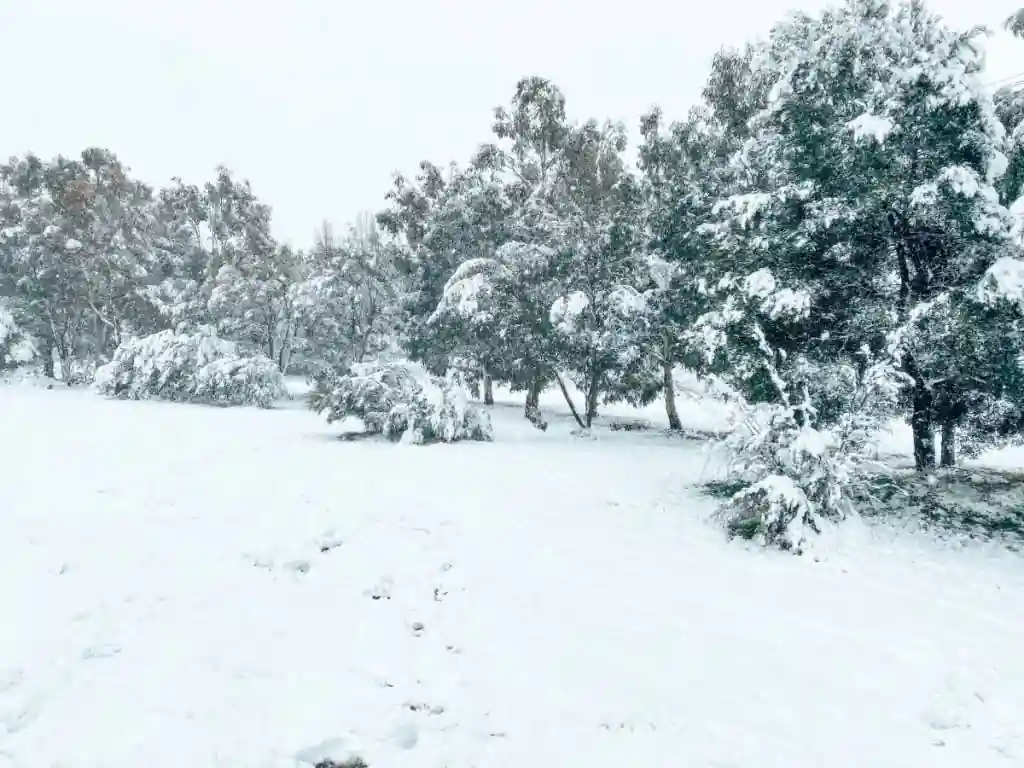
Northern Ontario is facing a renewed round of severe spring weather this weekend, with snowfall warnings in place and officials warning that highway closures are possible as heavy snow and freezing rain sweep across the region. The storm is drawing attention because it arrives only days after an earlier system caused major disruption, raising the risk of prolonged travel problems on key routes including Highways 11 and 17.
A second Colorado low is expected to move through northern Ontario from Saturday into Sunday, bringing another 10 to 20 centimetres of snow to several communities and hours of freezing rain farther east. In parts of northeastern Ontario, the combined effect of back-to-back systems could push total snowfall beyond 50 centimetres over the Easter weekend, an unusually punishing spell for early April.
The most immediate concern is transport. Highway 11 and Highway 17 are not simply local roads but essential corridors linking communities, moving freight and supporting regional travel across vast distances. When heavy snow cuts visibility and freezing rain coats pavement, disruption can spread quickly, leaving drivers stranded and supply chains under pressure.
Why this storm matters beyond the forecast
What makes this system especially significant is not just the snowfall total but the mix of hazards arriving in sequence. Fresh snow is expected across northwestern Ontario, while communities from Wawa to Sudbury, including Chapleau and Timmins, are at risk of several hours of freezing rain. Around Sault Ste. Marie, icing could linger longer, increasing the chance of road closures and isolated power outages.
That combination creates a more serious public safety issue than a standard late-season snow event. Snow can be ploughed and managed, but freezing rain can turn highways, ramps and secondary roads into dangerous surfaces within a short span of time. Even where closures are avoided, travel may slow sharply as visibility falls and conditions deteriorate faster than expected.
The storm also comes at a moment when many residents would normally expect the season to be turning. Instead, parts of Ontario are being pulled back into full winter conditions, underlining how volatile April weather can be across Canada. That sharp seasonal reversal is one reason the story is resonating widely: it is not only a weather update, but a disruptive event arriving during a busy holiday travel period.
What to expect through Sunday
Forecasts suggest the heaviest impacts will continue through Saturday and into the overnight period, with snow easing more gradually on Sunday. Areas that begin with freezing rain or a messy wintry mix are expected to transition back to flurries as colder air settles in. Even after the main storm weakens, road conditions may remain poor because of accumulated snow, lingering ice and blowing snow in exposed areas.
Across the northwest, snowfall amounts are expected to vary sharply from one community to another, adding uncertainty for travellers trying to judge local conditions. Thunder Bay is among the centres expected to see significant accumulation, while farther east the concern tilts more toward icing and reduced mobility. That uneven pattern means the storm may feel very different depending on location, even though the wider regional impact is substantial.
For northern Ontario, this is a reminder of how quickly weather can reshape daily life across a region where distance and limited road access already make movement difficult. A storm like this does not only delay weekend plans; it affects deliveries, emergency response times and the basic reliability of travel between communities. Updated public alerts and warnings are available through Environment Canada as the system moves across the province.
You may also like: World News and Politics

Make Swikblog your go-to source on Google for reliable updates, smart insights, and daily trends.