
World Chagas Disease Day 2026 is being marked with a strong global call to action as health authorities warn that millions remain affected by what is often called a “silent disease.” This year’s theme, “Women at the Heart of Care, Protecting the Next Generation,” puts the spotlight on the critical role women play in stopping the spread—especially as thousands of infants continue to be infected each year.
According to the Pan American Health Organization (PAHO), an estimated 7.5 million people are living with Chagas disease across 21 endemic countries in the Americas, while over 100 million people remain at risk. The disease continues to cause around 30,000 new cases annually and nearly 10,000 deaths, underscoring its ongoing public health burden.
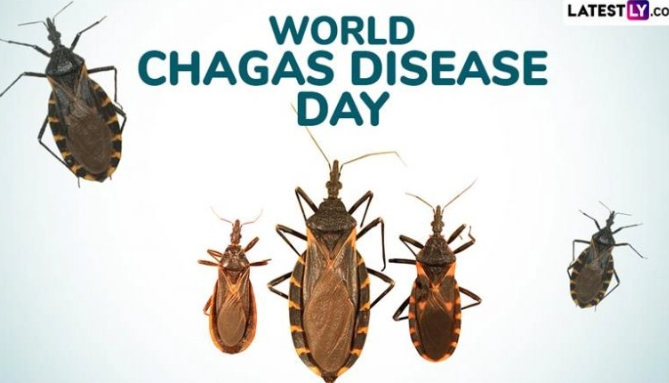
Chagas disease is caused by the parasite Trypanosoma cruzi and is primarily transmitted through triatomine insects, often referred to as “kissing bugs.” However, it can also spread through blood transfusion, organ transplantation, contaminated food, and crucially, from mother to child during pregnancy.
One of the biggest challenges is that the disease often shows no symptoms in its early stages. Many infected individuals remain unaware for years, only developing serious heart or digestive complications decades later. This delayed progression is why experts emphasize early diagnosis as the most effective way to prevent long-term damage.
Women at the Center of Prevention and Care
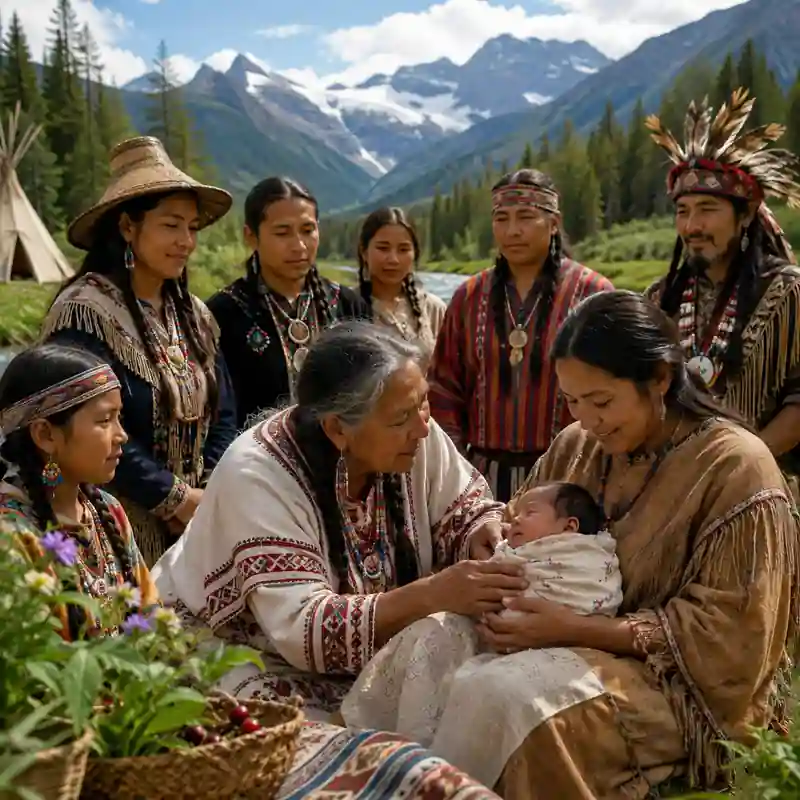
This year’s theme reflects a growing consensus among global health leaders: women are central to breaking the cycle of Chagas transmission. Their frequent interaction with health services—particularly during pregnancy—places them in a unique position for early detection and intervention.
Data shows that between 2% and 8% of infected pregnant women pass the parasite to their babies, resulting in approximately 9,000 new congenital cases every year. This makes mother-to-child transmission one of the most pressing concerns today, but also one of the most preventable.
Health authorities say strengthening screening within maternal and child health services could significantly reduce these numbers. Early diagnosis followed by timely treatment can prevent transmission and even cure newborns if detected quickly.
“Placing women at the center of diagnosis, treatment, and care strategies is essential to eliminate Chagas disease as a public health problem,” PAHO Director Dr. Jarbas Barbosa said, stressing the importance of ensuring access to quality healthcare for women of reproductive age.
At the same time, organizations from the Global Chagas Coalition have emphasized that recognizing women’s role should not mean placing an additional burden on them. Instead, it should serve as an opportunity to build more equitable and responsive healthcare systems that address women’s needs and rights.
Changing Disease Patterns and Growing Global Risk
Historically linked to rural poverty in Latin America, Chagas disease is no longer confined to traditional endemic areas. Migration and demographic changes have reshaped its spread, increasing the importance of non-vector transmission routes, especially congenital transmission.
This shift means the disease is now being detected in urban settings and in countries far beyond its original geographic boundaries. As a result, global awareness and coordinated action have become more important than ever.
The economic impact is also significant. Chagas disease is estimated to cost around $500 million annually, while accounting for approximately 770,000 disability-adjusted life years (DALYs) lost each year due to premature death and reduced productivity.
Despite progress in recent decades, experts warn that these figures highlight the urgent need to scale up efforts. Without stronger policies and better access to care, the disease will continue to affect vulnerable populations the most.
For more details on global efforts and prevention strategies, visit the World Health Organization’s Chagas disease page.
To accelerate progress, PAHO and its partners are calling for several key actions: expanding access to early diagnosis and treatment, integrating screening into maternal and child health programs, strengthening primary healthcare systems, and ensuring sustained political commitment through public policies and intersectoral coordination.
These efforts are part of PAHO’s broader Elimination Initiative, which aims to eliminate more than 30 diseases and related conditions in the Americas by 2030. Within this framework, countries are working toward a critical goal—ensuring that at least 90% of newborns infected with Trypanosoma cruzi are diagnosed and cured in time.
World Chagas Disease Day, first recognized in 2020, continues to serve as a platform to raise awareness about this neglected tropical disease, mobilize resources, and promote global collaboration. It highlights the need to integrate Chagas disease into primary healthcare systems and ensure no one is left behind.
As the 2026 theme emphasizes, the fight against Chagas is not just about controlling a disease—it is about strengthening healthcare systems, addressing inequality, and protecting future generations. With women at the heart of this effort, health leaders believe there is a real opportunity to break the cycle of transmission and move closer to elimination.
You may like: Lepas L6 700-Mile Hybrid SUV Set for UK Launch in 2026

Make Swikblog your go-to source on Google for reliable updates, smart insights, and daily trends.