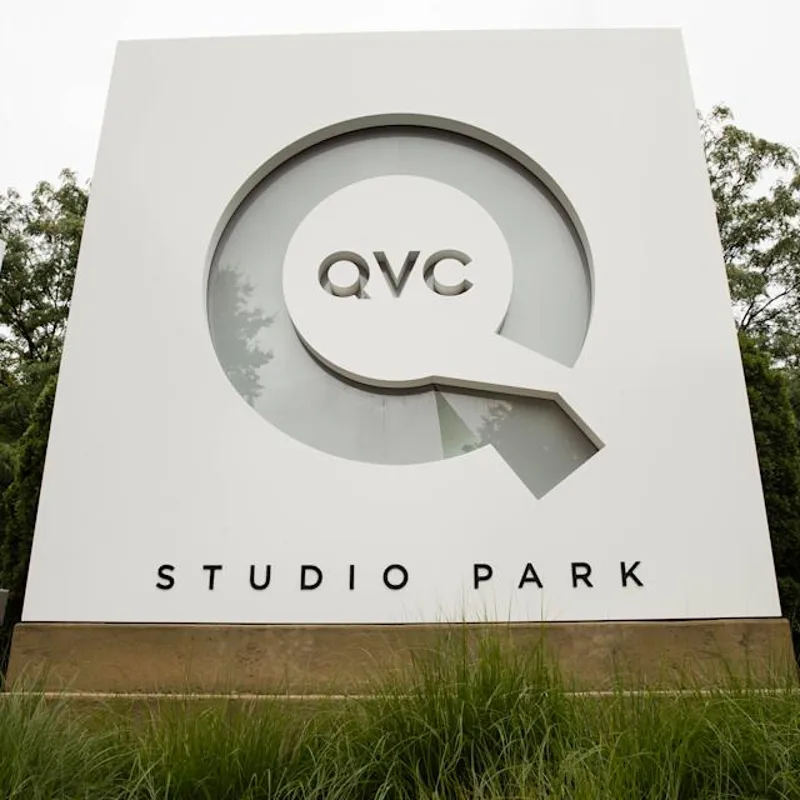

QVC Group filed for Chapter 11 bankruptcy protection on Thursday in the Southern District of Texas, launching a restructuring plan to cut more than $5 billion of debt as declining viewership and the rapid shift to online shopping continue to weigh on its business.
The company, which owns television shopping networks QVC and HSN, said the prearranged plan will reduce its debt from roughly $6.6 billion to about $1.3 billion. It expects to emerge from the process within around 90 days and continue operations without disruption.
Despite the bankruptcy filing, QVC said it had more than $1 billion in cash at the end of 2025 to support ongoing operations. The company added that no layoffs or furloughs are planned, and employees will continue to receive wages and benefits as normal.
Shares of QVC Group fell sharply following the announcement, reflecting investor concerns over the company’s long-term outlook as traditional TV-based retail struggles to compete with digital-first platforms.
Restructuring plan aims to stabilize operations
Under the restructuring agreement, vendors, suppliers and other unsecured creditors are expected to be paid in full or see no changes to their claims. The company also confirmed that all of its brands will continue operating as usual throughout the process.
QVC’s international operations are not included in the Chapter 11 proceedings, a move that signals an effort to protect stronger-performing segments while addressing financial pressure in its core US business.
The company plans to emerge from bankruptcy as “Reorganized QVC,” with a significantly reduced debt burden that it hopes will provide flexibility to invest in growth and adapt to changing consumer behavior.
Pressure from shifting retail trends
QVC’s filing highlights the mounting challenges faced by legacy retail formats built around television audiences. Once a dominant force in home shopping, the company has seen its customer base shrink as consumers increasingly turn to mobile apps, social commerce and online marketplaces for faster and more personalized shopping experiences.
At the same time, rising competition from digital retailers and ongoing supply chain pressures have squeezed margins. Tariffs in recent years also impacted sourcing costs, prompting QVC to reduce its exposure to goods from China.
The company had already signaled financial stress in November, when it began exploring strategic and financial options to address its balance sheet. The bankruptcy filing formalizes those efforts, allowing it to restructure debt while maintaining operations.
QVC’s situation reflects a broader shift across the retail industry, where companies built on traditional distribution models are being forced to rethink their strategies as consumer habits evolve rapidly. More on retail restructuring trends can be explored through Reuters retail coverage.
While the company’s immediate focus is on reducing debt and stabilizing operations, its longer-term challenge will be adapting its business model to compete in a retail landscape increasingly dominated by digital-first players.
You may like: Indonesia helicopter crash in Borneo leaves 8 dead

Make Swikblog your go-to source on Google for reliable updates, smart insights, and daily trends.