
Eli Lilly’s agreement to buy Kelonia Therapeutics for as much as $7 billion is not just another biotech takeover. It is a clear sign that large drugmakers are willing to spend heavily on platforms that could make some of the most advanced cancer treatments simpler to deliver, easier to scale, and potentially available to more patients. The structure of the transaction also shows how seriously Lilly is taking the opportunity. Kelonia shareholders are set to receive $3.25 billion upfront, with the remaining value tied to future clinical, regulatory, and commercial milestones.
That kind of payout structure tells its own story. Lilly is paying meaningfully for the science today, but it is also reserving the biggest rewards for the moment when the technology proves it can move from an exciting early-stage concept into a real commercial cancer franchise. In the current market, where investors have become more selective about early-stage drug development risk, that balance matters.
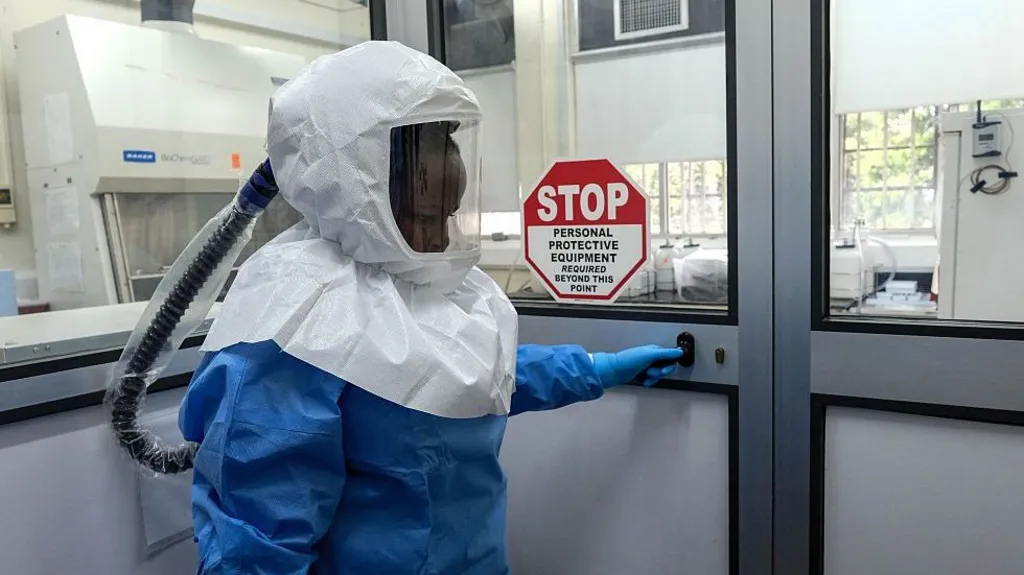
The appeal of Kelonia lies in its in vivo gene placement system, or iGPS, a technology designed to generate CAR-T cells inside the patient’s body rather than outside it. Traditional CAR-T therapies usually require doctors to collect a patient’s T-cells, send them to a manufacturing facility for genetic engineering, and then return them for infusion after a waiting period that can stretch for weeks. It is a highly personalized treatment model, but also one that comes with major logistical, financial, and operational hurdles. Lilly is betting Kelonia’s platform could cut through some of that complexity.
Kelonia’s lead asset, KLN-1010, is aimed at relapsed or refractory multiple myeloma and is already in Phase 1 testing. The treatment is designed as a one-time intravenous gene therapy that enables the body to produce anti-BCMA CAR-T cells, targeting a protein commonly found on myeloma cells. That matters because BCMA has already become one of the most important targets in multiple myeloma drug development, and Lilly is stepping into an area where there is clear medical and commercial interest. The difference is that Kelonia’s approach is not trying to repeat the old CAR-T playbook. It is trying to rewrite it.
One of the most notable points in the announcement is that early clinical data from KLN-1010 was highlighted during the plenary session at the 2025 American Society of Hematology annual meeting. In biotech, where dozens of early data sets compete for attention, plenary recognition is not routine. It does not guarantee eventual success, but it does suggest the program has generated enough interest to stand out among peers. Lilly is clearly treating that early validation as more than a scientific footnote. It is using it as a signal that the platform may have broader relevance well beyond a single multiple myeloma program.
Why Lilly sees more than one drug here
What makes this acquisition especially important is that Lilly is not simply buying a Phase 1 cancer asset. It is acquiring a delivery and integration technology that could have broad applicability across genetic medicine. Kelonia’s engineered lentiviral particles are designed to selectively enter T-cells inside the body, which opens the door to more efficient and potentially tissue-specific gene transfer. In plain terms, Lilly is getting a platform that could eventually be adapted for other blood cancers and, potentially, for diseases outside oncology.
That platform angle is what helps explain the headline price. Drugmakers can justify big acquisitions more easily when the underlying technology can support multiple programs over time. Instead of betting everything on a single product, they are buying a scientific engine that could keep producing new candidates. That is particularly attractive in oncology, where pipeline depth often matters as much as the promise of any one treatment.
There is also a practical healthcare argument behind the deal. Current CAR-T therapies have delivered remarkable outcomes for some patients, but access remains limited. Manufacturing constraints, treatment-center availability, high cost, and patient-specific production timelines have kept these therapies from reaching everyone who could potentially benefit. The National Cancer Institute has noted that CAR-T treatment involves a complex multi-step process, which helps explain why adoption remains concentrated in specialized centers. Lilly’s thesis is that in vivo CAR-T could reduce that burden and create a more practical path to broader use.
That is also why the Kelonia deal fits neatly into Lilly’s larger strategy. The company has already built major growth engines in diabetes and obesity, but it has also been expanding its reach in oncology and genetic medicine. Buying Kelonia strengthens that long-term story. It gives Lilly a fresh scientific capability, a first-in-class narrative around in vivo CAR-T, and a potentially differentiated position in one of the most competitive areas of cancer research.
The promise is real, but so is the risk
Still, the excitement around the acquisition should not obscure the fact that this remains an early-stage bet. KLN-1010 is only in Phase 1, and the history of drug development is filled with programs that looked promising at an early stage but ran into problems later. Safety, durability of response, manufacturing consistency, regulatory review, and eventual commercial uptake will all matter. Lilly itself acknowledged the usual uncertainties in its forward-looking statement, including the risk that the deal may not close on the expected timeline or that the platform may not ultimately deliver commercially successful products.
That caution is worth keeping in mind because gene therapy and cell therapy development can be especially demanding. Even when the science is compelling, the path to approval is rarely straightforward. Regulators will want robust evidence not only of efficacy but of long-term safety, especially for therapies involving genetic modification. Commercially, Lilly will also need to show that a simpler treatment model translates into real-world physician adoption and patient benefit.
Even so, this acquisition stands out because it addresses one of the central questions in modern oncology: how do you take breakthrough science and make it practical at scale? Lilly appears to believe Kelonia may offer part of that answer. If the company can turn early clinical promise into durable outcomes, the deal could eventually be seen as more than a large acquisition. It could mark a shift in how CAR-T therapies are developed and delivered.
For now, Lilly is making a calculated bet that the future of cancer treatment will not only depend on powerful therapies, but on platforms capable of bringing those therapies to patients with less delay, less complexity, and greater reach. That is an ambitious wager. At $7 billion, it is also one of the clearest signals yet that big pharma believes in vivo cell therapy could become one of the next defining chapters in oncology.
You may like: Australia-Japan warship deal 2029.

Make Swikblog your go-to source on Google for reliable updates, smart insights, and daily trends.