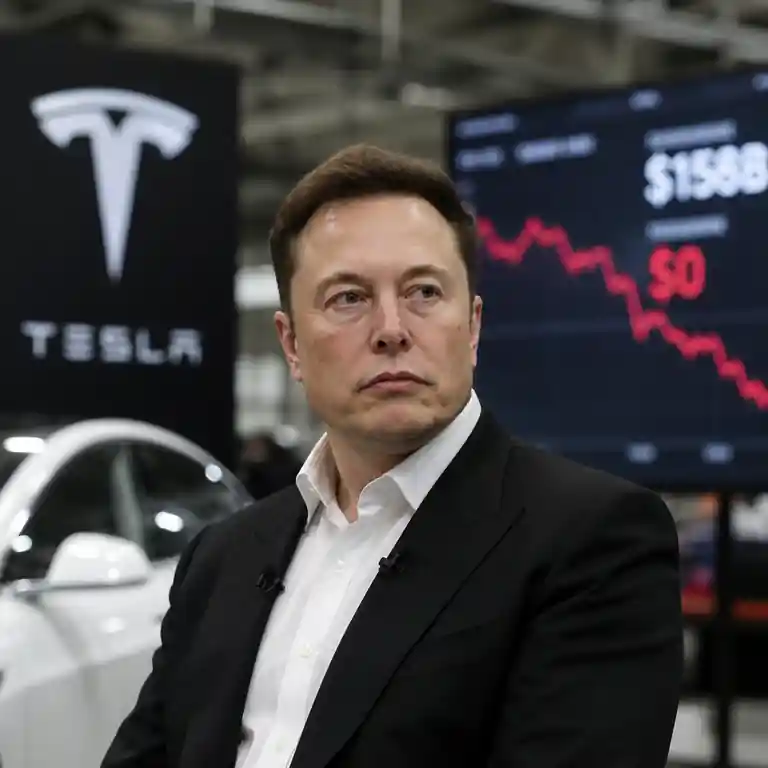

Elon Musk’s latest Tesla pay disclosure has reignited debate across markets after the company reported a staggering $158 billion compensation figure for 2025. While the number grabs attention instantly, it does not reflect actual money earned during the year.
In reality, Musk’s realized compensation from Tesla in 2025 stood at zero. The massive figure represents the estimated value of long-term stock-based awards tied to aggressive performance goals, not cash or vested stock he could access immediately.
Tesla revealed the figure in a regulatory filing following shareholder approval of a massive compensation structure aimed at rewarding long-term growth. The plan is structured so that Musk only benefits financially if Tesla achieves ambitious milestones related to market value and operational performance. Since those targets were not met in 2025, no payout was triggered.
The company itself highlighted a “significant disconnect” between reported compensation and actual earnings. This happens because accounting rules require companies to assign a fair value to stock awards at the time they are granted, even if those awards may never fully materialize.
A large portion of the $158 billion figure—about $132 billion—comes from the estimated value of a new long-term equity award. The remaining roughly $26 billion relates to an interim award approved earlier but later forfeited after the reinstatement of Musk’s 2018 pay package.
Read More
This creates a striking contrast: one of the largest compensation figures ever disclosed alongside zero real earnings. For investors, it underscores that Tesla’s approach is not about short-term pay, but a long-term bet on Musk’s ability to drive exponential growth.
The timing of the disclosure is also important. Tesla shares have declined around 15% so far in 2025, underperforming the broader S&P 500, which has gained more than 5%. The gap reflects growing pressure from global competition, particularly from Chinese electric vehicle manufacturers, along with concerns about Tesla’s relatively slow product refresh cycle.
Beyond vehicles, Tesla is increasingly tied to Musk’s broader business ecosystem. The filing showed that the company generated more than $500 million in revenue from other Musk-led ventures over the past year. Around $430.1 million came from xAI, while another $143.3 million was linked to SpaceX transactions.
These numbers highlight how interconnected Musk’s companies have become. Tesla is not just operating independently—it is also supplying products and services within a network of Musk-controlled businesses. While this can open new revenue streams, it also raises governance questions that investors are watching closely.
SpaceX’s growing influence adds another layer to the story. The company is reportedly preparing for a major public listing, which could become one of the largest IPOs ever. At the same time, reports suggest SpaceX purchased significant volumes of Tesla’s Cybertruck, potentially supporting demand for a model that has seen mixed reception in the broader market.
Musk’s compensation structure reflects a high-risk, high-reward philosophy. Instead of drawing a salary, his financial upside depends entirely on Tesla achieving extraordinary growth. Supporters see this as strong alignment with shareholders, while critics argue it concentrates too much influence in one individual.
Looking ahead, Tesla’s future narrative extends far beyond electric vehicles. The company is investing heavily in artificial intelligence, autonomous driving, robotics, and energy solutions. Musk’s compensation is effectively tied to the success of these long-term bets rather than current performance.
However, markets may demand clearer execution. With competition intensifying and margins under pressure, investors are increasingly focused on whether Tesla can translate its ambitious vision into sustained revenue growth.
For readers trying to make sense of the headline figure, the takeaway is straightforward: Tesla reported $158 billion in compensation for Elon Musk in 2025, but that number reflects potential value, not actual earnings. His realized pay remained zero because performance targets were not achieved.
Investors can review Tesla’s official filings via the Tesla Investor Relations SEC filings page. For more market-moving stories and deeper analysis, you can explore coverage on Swikblog, where similar trends in global markets and corporate strategies are tracked closely.
Ultimately, the $158 billion figure is less about what Musk earned and more about what Tesla aims to become. It reflects a long-term wager on innovation, scale, and leadership. Whether that paper value turns into real wealth will depend entirely on Tesla’s ability to deliver its next phase of growth in an increasingly competitive landscape.

Make Swikblog your go-to source on Google for reliable updates, smart insights, and daily trends.