
World Thalassemia Day 2026 will be observed on May 8, with this year’s theme placing a sharp focus on people who remain outside the reach of diagnosis, treatment and long-term support. The official theme, “Hidden No More: Finding the Undiagnosed. Supporting the Unseen.”, turns attention to a silent healthcare challenge affecting families across the world.
Thalassemia is not a new disease, but the lack of awareness around it continues to create new cases, delayed diagnosis and avoidable suffering. Many people carry the thalassemia gene without knowing it. Others discover the condition only after a child develops severe anemia or when screening is done during pregnancy.
This is why World Thalassemia Day 2026 matters. The campaign is not just asking people to learn the name of a blood disorder. It is urging families, doctors, governments and communities to treat early screening as a public health priority.
The global campaign is supported by the International Thalassaemia Day platform, which is promoting awareness activities under the “Hidden No More” message and the wider “Bring Thal to Light” initiative.
What Makes the 2026 Theme Important?
The theme has two powerful parts. “Finding the Undiagnosed” focuses on people who may be carriers or patients but have not yet been tested. “Supporting the Unseen” highlights those already living with thalassemia but still facing poor access to care, stigma, financial pressure or lack of recognition.
For many families, thalassemia becomes visible only after years of unexplained symptoms, repeated hospital visits or a child needing regular blood transfusions. By that time, the emotional and financial burden can already be heavy.
The 2026 message pushes for a shift from late response to early action. Screening before marriage or pregnancy, proper counselling and timely diagnosis can help families make informed decisions and reduce the risk of severe thalassemia births.
What Is Thalassemia?
Thalassemia is an inherited blood disorder in which the body does not make enough healthy hemoglobin. Hemoglobin is the protein in red blood cells that carries oxygen through the body.
When hemoglobin production is affected, red blood cells become weak and break down faster. This can lead to chronic anemia, tiredness, delayed growth and, in severe cases, lifelong dependence on blood transfusions.
The condition is passed from parents to children through genes. A person may carry the thalassemia gene and still look completely healthy. This carrier stage is one of the biggest reasons the disorder spreads silently through families.
If both parents are carriers, each pregnancy carries a 25 percent chance of the child having thalassemia major, a severe form that needs long-term medical care.
Why Millions Remain Undiagnosed
One of the biggest problems with thalassemia is that carriers often have no major symptoms. Some may have mild anemia, but it is frequently mistaken for iron deficiency. As a result, many people take iron supplements without getting the right test.
In children, severe thalassemia may appear within the first two years of life. Parents may notice paleness, weakness, poor feeding, slow growth or swelling in the abdomen. Without proper testing, diagnosis can be delayed.
In India, the burden is especially serious. Estimates suggest that around 35 to 45 million people may be beta-thalassemia carriers, while nearly 10,000 to 12,000 affected babies are born every year. Higher carrier rates have been reported in states such as Punjab, Gujarat, Maharashtra, West Bengal and parts of the north-east.
These numbers show why awareness alone is not enough. Testing must become easier, earlier and more widely accepted.
Signs Families Should Not Ignore
Thalassemia symptoms depend on the type and severity of the condition. Carriers may have no symptoms or only mild anemia. Severe forms can cause visible health problems early in life.
- Persistent paleness or yellowish skin
- Extreme tiredness and weakness
- Poor growth in children
- Swollen abdomen due to enlarged spleen or liver
- Frequent infections
- Bone changes in untreated severe cases
- Delayed puberty
- Anemia that does not improve with iron treatment
Doctors often advise families to seek proper blood testing if anemia continues despite treatment. A simple test can help separate iron deficiency from inherited blood disorders such as thalassemia.
Screening Can Change the Future
The strongest prevention tool against severe thalassemia is carrier screening. A Complete Blood Count, hemoglobin electrophoresis, HPLC test and, when needed, genetic testing can help identify whether a person carries the thalassemia gene.
Screening is especially important before marriage, before pregnancy or during early pregnancy. If both partners are carriers, genetic counselling helps them understand the risk and available options.
Prenatal diagnosis can also detect whether a baby is affected. This allows families to make informed medical decisions under expert guidance.
Countries that introduced structured screening, counselling and public awareness programs have shown that severe thalassemia births can be reduced. The lesson is clear: prevention depends on awareness backed by access.
Treatment Has Improved, But Access Still Matters
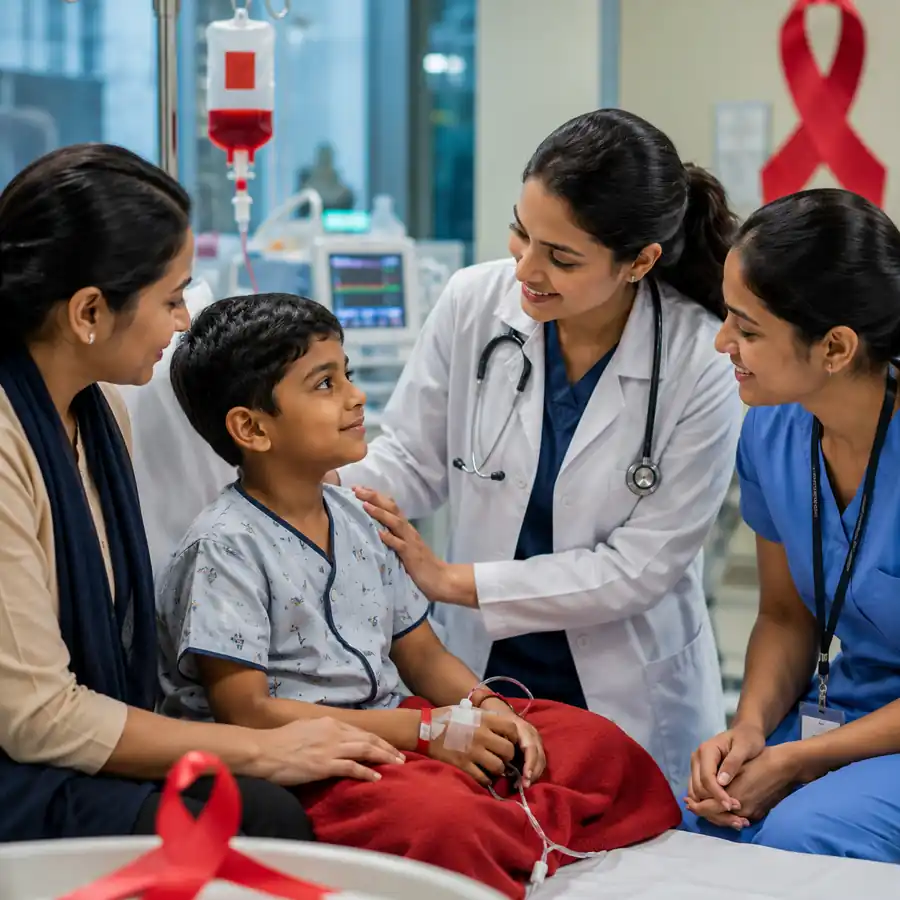
For people living with thalassemia major, treatment often includes regular blood transfusions and iron chelation therapy. Transfusions help maintain hemoglobin levels, while chelation therapy removes excess iron that builds up in the body due to repeated transfusions.
Without proper iron control, patients may face serious complications involving the heart, liver and endocrine system. Regular monitoring is therefore an important part of long-term care.
Bone marrow or stem cell transplantation can offer a potential cure for selected patients, especially younger children with a suitable donor and limited organ damage. Gene therapy is also emerging as a promising treatment area, although access and affordability remain major challenges in many countries.
This is why the 2026 theme’s second half — “Supporting the Unseen” — is so important. Diagnosis is only the beginning. Patients also need reliable transfusion services, affordable medicines, expert care, emotional support and social acceptance.
Why World Thalassemia Day 2026 Is a Public Health Wake-Up Call
World Thalassemia Day 2026 is not only about hospitals or patients already in treatment. It is about families who do not yet know they are at risk. It is about carriers who have never been tested. It is about children whose futures could be changed by early diagnosis.
The “Hidden No More” campaign reminds the world that thalassemia can no longer remain a silent condition hidden by stigma, poor awareness or weak screening systems.
As May 8 approaches, the message is clear: bring thalassemia into public conversation, make testing more accessible, support those already living with the condition and ensure that no family is left unseen.
World Thalassemia Day 2026 carries one simple but urgent truth — early screening can prevent suffering, and proper support can help people with thalassemia live longer, healthier and more dignified lives.
You may like: New Zealand Weather Alert: Rain and Strong Winds Expected Before High Pressure Returns This Weekend

Make Swikblog your go-to source on Google for reliable updates, smart insights, and daily trends.