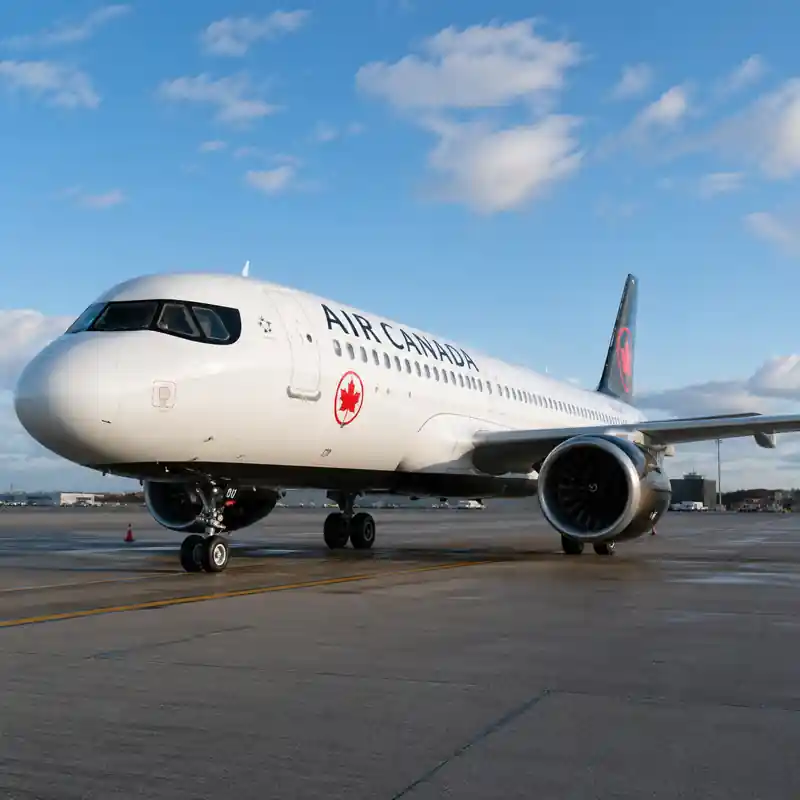

Air Canada is scaling back parts of its summer flight network after a sharp increase in jet fuel prices forced the airline to rethink several seasonal U.S. routes. The latest schedule changes come as airlines across North America struggle with rising operating expenses tied to ongoing geopolitical tensions and volatile energy markets.
The Canadian carrier confirmed that four seasonal routes connecting Canada with popular U.S. destinations will end earlier than originally planned in 2026. According to the airline, the decision was driven by soaring jet fuel costs, which have become one of the biggest financial challenges facing global airlines this year.
The affected services include flights from Vancouver to Raleigh, Toronto to Sacramento, Toronto to Charleston and Montreal to Austin. Air Canada says impacted travelers will be contacted directly with alternate travel arrangements or refund options where applicable.
Air Canada’s Seasonal Route Cuts Reflect Growing Industry Pressure
The route suspensions are another sign that airlines are entering a more cautious phase after months of rising aviation fuel prices. While travel demand remains relatively strong heading into the summer season, carriers are increasingly prioritizing profitability over rapid network expansion.
The four Air Canada routes affected by the change include:
- Vancouver to Raleigh, North Carolina — final flight scheduled for July 29
- Toronto to Sacramento, California — final flight scheduled for August 1
- Toronto to Charleston, South Carolina — final flight scheduled for September 6
- Montreal to Austin, Texas — final flight scheduled for September 7
Although the flights are ending early this year, Air Canada says it currently plans to restore full seasonal service in summer 2027.
The latest reductions follow Air Canada’s earlier decision to suspend flights from Toronto and Montreal to New York’s John F. Kennedy International Airport. Those suspensions began in April, with service expected to return on October 25.
Fuel costs have historically been one of the largest expenses for airlines, but the recent surge has created added uncertainty for carriers trying to maintain stable schedules and financial forecasts. According to data from the International Air Transport Association (IATA), jet fuel prices remain one of the biggest variables affecting airline profitability in 2026.
In Air Canada’s case, the company also suspended its full-year 2026 guidance because of uncertainty surrounding fuel prices in the second half of the year.
Air Canada chief executive Michael Rousseau recently described the fuel situation as an industry-wide issue affecting airline pricing, capacity planning and risk management decisions. His comments highlight a growing concern within the aviation industry that higher operating costs may continue well beyond the peak summer season.
Unlike major hub routes that often benefit from consistently strong passenger traffic, seasonal flights are more vulnerable when costs rise suddenly. These routes typically depend on a shorter travel window and can become less profitable if fuel expenses climb faster than ticket revenue.
Read More
The affected destinations — Austin, Charleston, Sacramento and Raleigh — remain important travel markets for both tourism and business demand. However, airlines often reassess these secondary routes first when trying to reduce exposure to high operating costs.
Passengers booked on the suspended routes could face longer travel times or fewer nonstop options if they are rebooked through larger connecting hubs. Travelers may also notice fare increases on some remaining routes if airlines continue reducing overall capacity during the summer travel period.
Air Canada is not alone in making adjustments. WestJet has also announced capacity reductions in response to rising fuel prices, with the airline previously saying it planned to cut capacity by roughly three per cent in May and nearly six per cent in June.
The broader concern for travelers is that route reductions from multiple airlines could tighten seat availability across North America during one of the busiest travel seasons of the year. Fewer flights often lead to higher demand on remaining services, especially on leisure-heavy routes.
Travelers impacted by the changes should monitor their bookings closely and review rebooking options through Air Canada’s official travel update page here.
The airline industry has already experienced significant operational pressure in 2026 due to fluctuating energy prices, aircraft delivery delays and changing passenger demand patterns. Air Canada’s latest cuts now add to growing evidence that airlines are entering a more defensive operating environment.
Despite the near-term route suspensions, Air Canada’s plan to restore the flights in 2027 suggests the airline still sees long-term value in these markets once fuel conditions improve. For now, however, the company appears focused on protecting margins and limiting exposure to rising operational costs.
The latest schedule adjustments show how quickly global fuel market disruptions can affect everyday travelers. What begins as a spike in energy prices can ultimately reshape airline schedules, influence ticket pricing and reduce flight availability across major travel corridors.

Make Swikblog your go-to source on Google for reliable updates, smart insights, and daily trends.