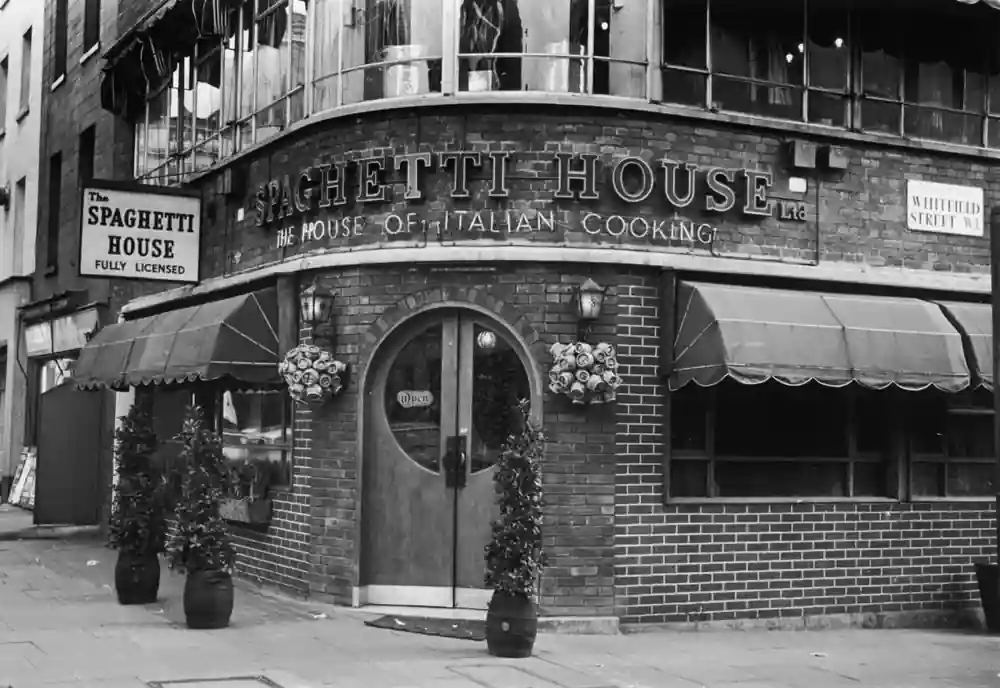

Spaghetti House, a name closely tied to London’s post-war restaurant culture, has closed its remaining restaurants after its parent company fell into administration, ending a 70-year run for one of the capital’s best-known Italian dining brands.
The closure brings down the curtain on a business that began with a single restaurant on Goodge Street in 1955 and later became a familiar stop for Londoners, tourists, office workers and West End visitors. The chain’s owner, Lavval Restaurants Ltd, was placed into administration on May 6, with BTG Begbies Traynor LLP appointed as administrator.
All remaining Spaghetti House restaurants have now shut with immediate effect. The affected locations include Marble Arch, Carnaby Street, Oxford Street, Kensington High Street and Cranbourn Street. The original Goodge Street restaurant, where the company’s story started almost seven decades ago, had already closed last year.
The company confirmed the shutdown in a short farewell message on the official Spaghetti House website, saying that all restaurants are now closed and thanking loyal customers, partners and staff members, past and present, for their support. The message ended with the Italian word “Grazie,” a final sign-off from a brand built around family hospitality.
A London restaurant name that lasted generations
Spaghetti House was founded by Simone Lavarini and Lorenzo Fraquelli at a time when Italian restaurants were still becoming part of everyday dining in Britain. Its first site on Goodge Street opened in 1955, long before London became the global food capital it is today.
Over the years, the chain grew from a family-run restaurant into a recognised London dining group. It claimed to be the oldest family-run Italian restaurant chain in the capital, a status that gave it a loyal identity in a market often dominated by newer concepts, delivery-led brands and fast-changing food trends.
For many customers, Spaghetti House was not a luxury dining destination but a dependable part of central London life. Its restaurants were positioned in some of the busiest parts of the city, serving shoppers, theatre crowds, commuters, tourists and families looking for a familiar Italian meal.
The closure is significant because it removes one of the few remaining old-school London restaurant names that still carried a clear link to the city’s mid-20th-century dining scene. While London continues to attract new restaurants and international operators, long-established chains face a very different trading environment from the one in which they first grew.
Rising food prices, higher energy bills, wage pressure, business rates and expensive central London rents have left many hospitality businesses with little room for error. Even operators with strong brand recognition have found it difficult to absorb higher costs while customers remain cautious about discretionary spending.
Spaghetti House’s collapse reflects a wider squeeze across the UK hospitality sector. Swikblog has also reported on pressure facing traditional venues in its coverage of the UK hospitality crisis affecting long-running pubs and restaurants, as older businesses struggle to survive in a more expensive market.
Why Spaghetti House mattered to London
The story of Spaghetti House also sits inside a larger social history of London. In the 1950s and 1960s, Italian restaurants helped change how many British diners experienced eating out. Pasta, espresso, wine and informal European-style dining became more visible in the capital, and Spaghetti House was part of that shift.
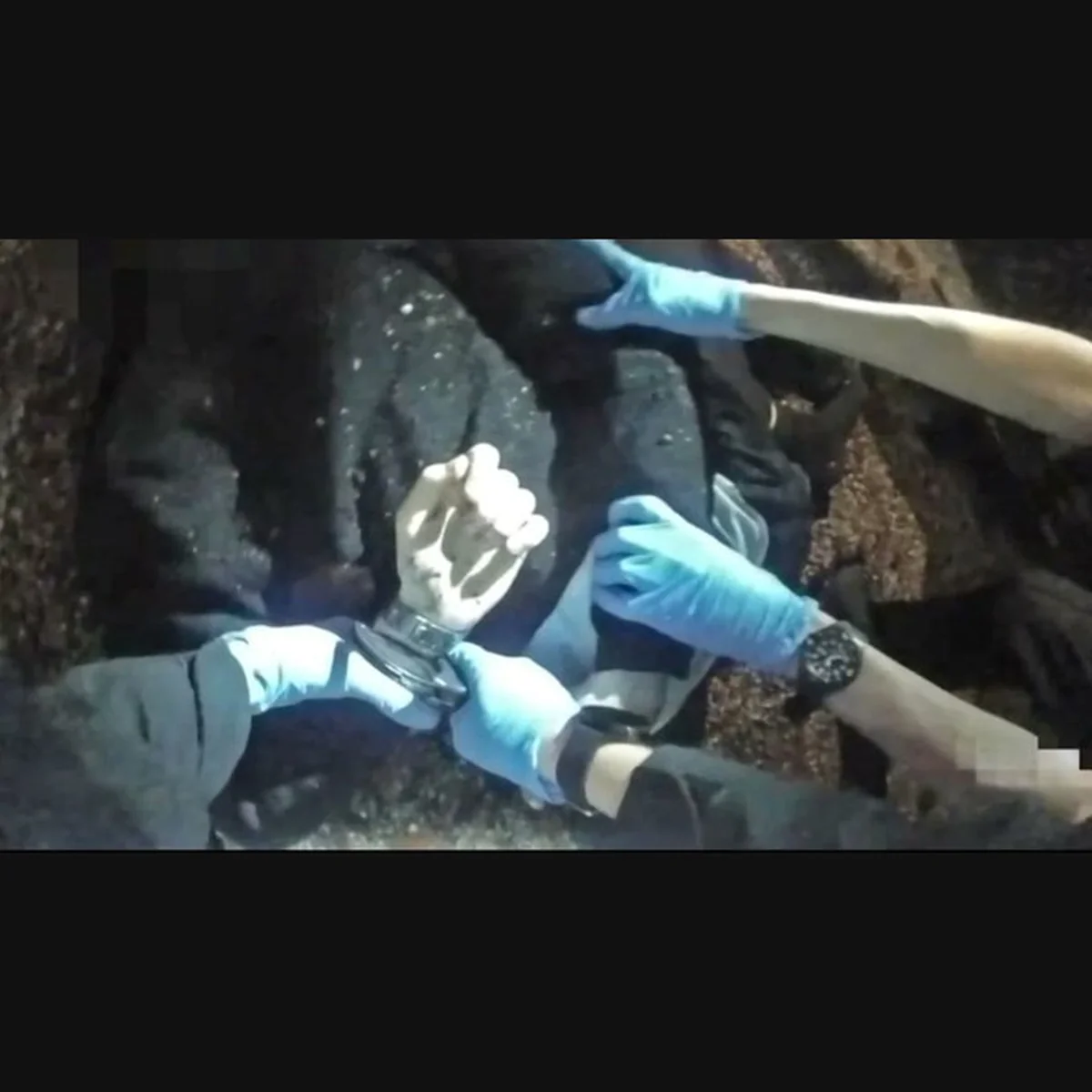
The chain’s restaurants were also linked to one of the most dramatic incidents in modern London history. In 1975, the Spaghetti House siege took place when three robbers entered the Knightsbridge branch and held staff hostage after a failed robbery. The incident lasted several days and became a major national news story.
Read More
Despite that dramatic chapter, the restaurant group’s wider public image remained rooted in accessible Italian food and family service. Its name became part of London’s everyday restaurant map, especially around shopping and entertainment districts where visitors wanted somewhere recognisable and central.
The closure of all remaining branches marks a sharp end for a company that had already seen its footprint shrink. The Goodge Street site’s closure last year was a symbolic loss because it was the birthplace of the brand. The latest shutdown means there are now no surviving Spaghetti House restaurants left trading.
For former customers, the end of Spaghetti House will likely be remembered less as a corporate failure and more as the disappearance of a familiar London landmark. Generations of diners passed through its doors, from families celebrating birthdays to tourists eating before a show or shoppers stopping for lunch near Oxford Street.
The administration process will now deal with the remaining affairs of Lavval Restaurants Ltd. For staff, suppliers and customers, the immediate result is clear: a restaurant chain that had been part of London for 70 years has closed for good.
Spaghetti House’s farewell is also a reminder of how quickly hospitality heritage can vanish. A long trading history, a known name and prime locations are no longer enough to guarantee survival when costs rise and consumer habits change.
London’s dining scene will continue to evolve, but the disappearance of Spaghetti House leaves a noticeable gap in the capital’s restaurant story. From its first Goodge Street restaurant in 1955 to its final branches across the West End and Kensington, the chain served generations of diners before saying its final “Grazie.”

Make Swikblog your go-to source on Google for reliable updates, smart insights, and daily trends.