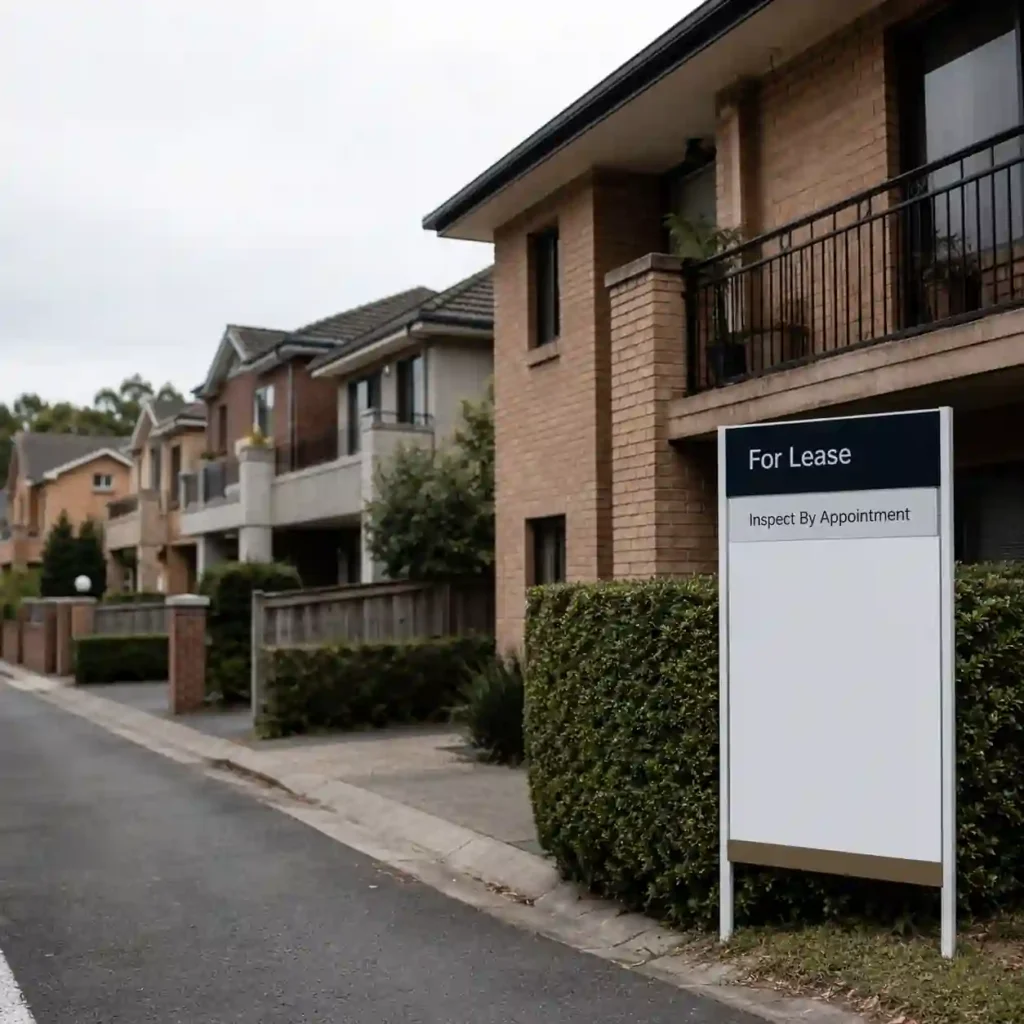

A neighbourhood dispute in NSW is drawing attention to a growing problem inside Australia’s strata communities: investor-owned rentals that sit inside small residential blocks but are managed from a distance, leaving long-term neighbours to deal with the consequences when things go wrong.
The case involves a homeowner living in a strata-managed block of five houses. The resident says the community is generally quiet and friendly, but one property owned by an investor has become a repeated source of tension. According to the complaint, the landlord has continued lifting the rent each year, with the home now reportedly priced at more than $1,000 a week.
What has angered neighbours is not only the rent figure. The resident says the property has received little visible maintenance and has become run down compared with the rest of the complex. In a small strata block, one neglected home can quickly affect the look, feel and value of the entire site.
The homeowner also claimed the high rent has created constant tenant turnover. As renters move in and out, neighbours say they have dealt with repeated disruption, including late-night parties, cars parked in ways that block or inconvenience other residents, noise complaints and damage around shared areas.
That is why the story has resonated beyond one street. It shows how Australia’s rental squeeze can affect more than tenants. When an investment property is poorly maintained or poorly managed, nearby owner-occupiers can also be pulled into the fallout.
NSW strata laws give residents more options than many realise. Under the Strata Schemes Management Act 2015, owners corporations can enforce by-laws covering issues such as noise, parking, damage to common property, property appearance and behaviour that interferes with others in the scheme.
This means an investor landlord cannot simply ignore problems because they do not live at the property. If tenants are repeatedly breaching by-laws, or if the condition of the lot is affecting the wider scheme, the owners corporation can issue a notice to comply and require the owner to address the issue.
If the problem continues, the matter can be escalated to the NSW Civil and Administrative Tribunal. NCAT handles strata disputes, including by-law breaches, maintenance issues and failures by owners corporations to act. Residents can review official guidance through NCAT’s strata schemes information page.
The practical step for affected neighbours is to build a clear record. Complaints should include dates, times, photographs, written notes about parking problems, details of noise incidents and evidence of any damage to shared areas. These records should be sent to the strata manager in writing so the issue is formally logged.
Residents can also raise the matter at an annual general meeting, ask for a motion to be placed on the agenda, or seek support from other lot owners for a general meeting. In a five-lot scheme, even a small group of owners can make it difficult for an ongoing issue to be ignored.
The landlord may also have responsibilities under NSW tenancy rules if tenant behaviour repeatedly disturbs neighbours or breaches the tenancy agreement. In serious cases involving noise, threats or anti-social behaviour, residents may need to contact police. For wider tenancy or strata concerns, NSW Fair Trading may also be a useful starting point.
The dispute comes as Australia’s housing market remains under pressure from limited supply, high rents and affordability stress. Swikblog has previously reported on how the Australia housing crisis in 2026 is reshaping rental conditions and community stability across the country.
For landlords, the message is clear: charging premium rent does not remove the responsibility to maintain a property or manage the impact tenants may have on neighbours. For strata residents, the strongest response is not informal frustration but documented complaints, formal motions and, where needed, tribunal action.
The NSW homeowner may feel powerless, but the law does provide pathways. The challenge is using them properly, with evidence, persistence and the support of the owners corporation.

Make Swikblog your go-to source on Google for reliable updates, smart insights, and daily trends.