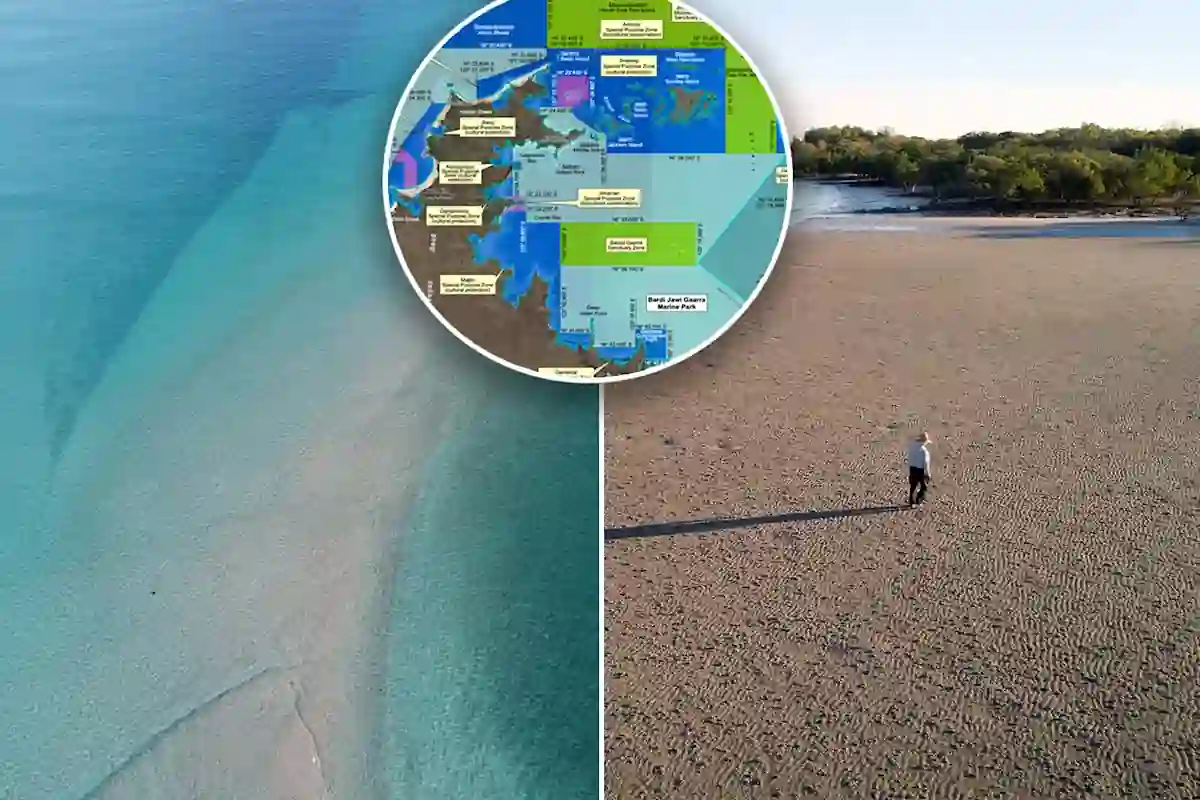

Australia has taken one of its most aggressive legal steps yet in the global fight over PFAS pollution, filing a record claim against 3M for more than A$2 billion over contamination linked to firefighting foam used at defence bases.
The case focuses on aqueous film-forming foam, or AFFF, once relied on at military sites to control fuel fires. The foam contained PFAS, a class of chemicals valued for resisting heat, oil, stains, grease and water. Those same qualities have made them a long-term environmental problem because they do not break down easily in soil or water.
The federal government says the lawsuit is the largest legal claim it has ever brought. Officials allege 3M and 3M Australia failed to properly disclose what they knew about the environmental risks of PFAS foam, misrepresented key information, and gave safety and disposal assurances that were not consistent with the company’s internal knowledge.
Attorney General Michelle Rowland said the government was prepared to challenge one of the world’s biggest multinational companies to recover costs carried by taxpayers. According to the government, Defence has already spent more than A$1 billion investigating, managing, remediating and reducing PFAS contamination across its estate.
The numbers show how large the cleanup has become. Assistant Defence Minister Peter Khalil said 28 defence bases across Australia have been affected. More than 200,000 tonnes of contaminated soil have been removed and treated, while more than 13 billion litres of water have been used during the multi-year decontamination effort.
Australia began phasing out PFAS chemicals in 2004, and officials say PFAS firefighting products are no longer used in the country. But the legacy damage remains difficult to contain because contaminated defence sites can require years of monitoring, soil treatment, water management and community support.
PFAS chemicals have drawn growing scrutiny from regulators because of possible health risks associated with long-term exposure. Reported concerns include liver damage, lower birth weight and testicular cancer. The U.S. Environmental Protection Agency has described PFAS contamination as an urgent public health and environmental issue, with further information available through its official PFAS resource page.
3M has denied wrongdoing and said it will defend itself through the legal process. The company said it never manufactured PFAS in Australia and stopped selling PFAS-containing firefighting foams there around two decades ago. It also argued that Australia’s Department of Defence continued using those foams for nearly two decades after 3M stopped selling them.
The lawsuit comes after years of growing global pressure on 3M over PFAS liabilities. In 2023, the company agreed to a US$10.3 billion settlement in the United States to help public water systems deal with contamination. In late 2022, 3M also set a 2025 deadline to stop producing PFAS chemicals globally.
Read More
Political pressure is rising inside Australia as well. Greens spokesperson Peter Whish-Wilson said stronger rules are needed so the country does not become a dumping ground for PFAS products. He argued that major producers and retailers should carry more responsibility for the pollution risks created by the materials they sell.
The new claim also follows a parliamentary inquiry that found PFAS risks remained across Australia, and a A$133 million class action settlement reached by the federal government in 2023 over contamination at seven sites.
For Australia, the case is about recovering public money spent on a pollution problem that may last for decades. For 3M, it marks another major legal challenge in a widening international reckoning over “forever chemicals.”
Swikblog has previously covered PFAS concerns in consumer products here: Irish Breakfast Cereals Found With ‘Forever Chemicals,’ Study Warns.

Make Swikblog your go-to source on Google for reliable updates, smart insights, and daily trends.