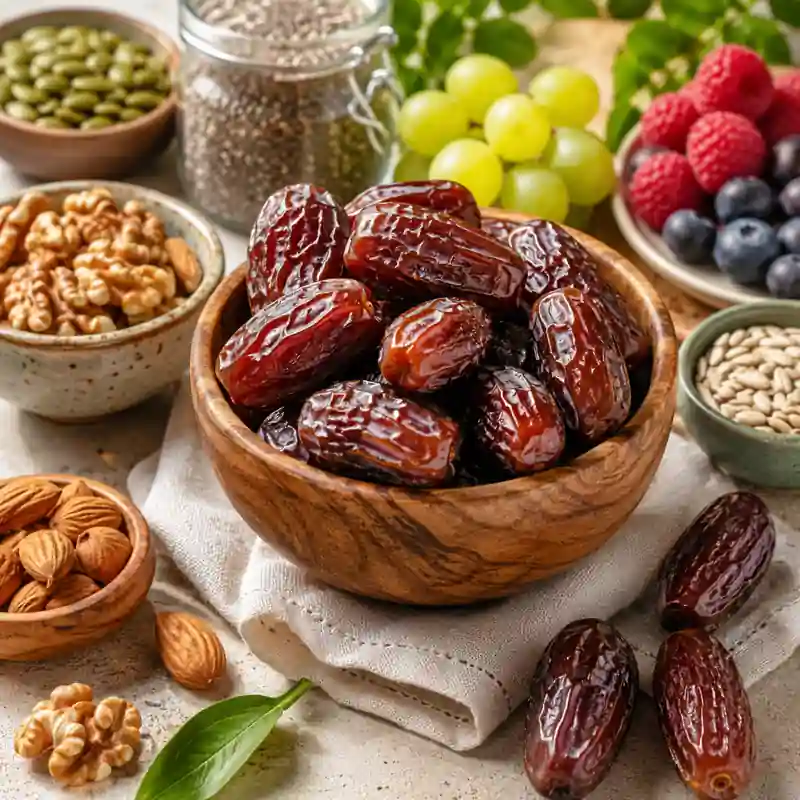

Americans are increasingly choosing dates over ultra-processed snacks as demand grows for foods with simpler ingredients and natural sweetness. The trend reflects a broader shift in consumer behavior, with shoppers paying closer attention to nutrition labels and looking for alternatives to highly processed products.
Sales of dates in the United States increased 33% in 2025, according to figures cited by California-based organic date producer Joolies California Superfruit. Similar momentum is being seen overseas. British online grocer Ocado reported that sales of Medjool dates doubled compared with the previous year, highlighting growing interest in the fruit beyond its traditional markets.
Ancient Fruit Finds New Consumers
Dates have been cultivated for thousands of years and are believed to have originated in ancient Mesopotamia between 6,000 and 8,000 years ago. Today, they remain an important part of food traditions across the Middle East and North Africa, particularly during Ramadan, when many Muslims break their daily fast with dates.
While the Middle East and Africa accounted for 85.28% of global date consumption in 2025, demand is expanding in Western markets as consumers embrace healthier snacking habits. Social media has also played a role, with recipes featuring dates as a substitute for refined sugar attracting millions of views.
The growing popularity of dates mirrors wider conversations about healthier eating habits and food quality, including changes highlighted in America’s updated food pyramid recommendations, which place greater emphasis on nutrient-dense foods and balanced diets.
According to market projections, the U.S. dates market could reach $1.6 billion by 2034. Globally, the dates market is expected to grow from $34.5 billion in 2026 to $55.58 billion by 2034, reflecting sustained consumer interest in natural sweeteners and clean-label foods.
Read More
Health Benefits and Market Growth
Nutrition experts say dates offer more than sweetness. According to the Cleveland Clinic, dates contain fiber, antioxidants, potassium and magnesium, nutrients that may support digestive health, brain function and overall wellness.
Dates are generally classified into soft, semi-dry and dry varieties. Soft varieties such as Medjool are commonly eaten as snacks, while drier varieties are frequently used in baking and food manufacturing. Demand is also increasing for date-based ingredients including syrups, powders, pastes and energy bars as food companies search for alternatives to refined sugar.
A separate Future Market Insights report estimates the broader date palm market will grow from $9.5 billion in 2025 to $13.4 billion by 2035. Dried dates currently account for 42.6% of the market, while conventional dates hold a 75% share. China is projected to be the fastest-growing major market, followed by India and several European countries.
Despite the health appeal, experts caution that dates are still high in natural sugars. An average date contains around 15 grams of sugar, making moderation important. Pairing dates with nuts or seeds can help create a more balanced snack by adding protein and healthy fats.
As consumers continue moving away from ultra-processed foods, dates are emerging as a popular option that combines natural sweetness, nutritional value and a long history of cultivation. For producers and retailers, the trend points to continued opportunities in the growing healthy-snacking market.

Make Swikblog your go-to source on Google for reliable updates, smart insights, and daily trends.