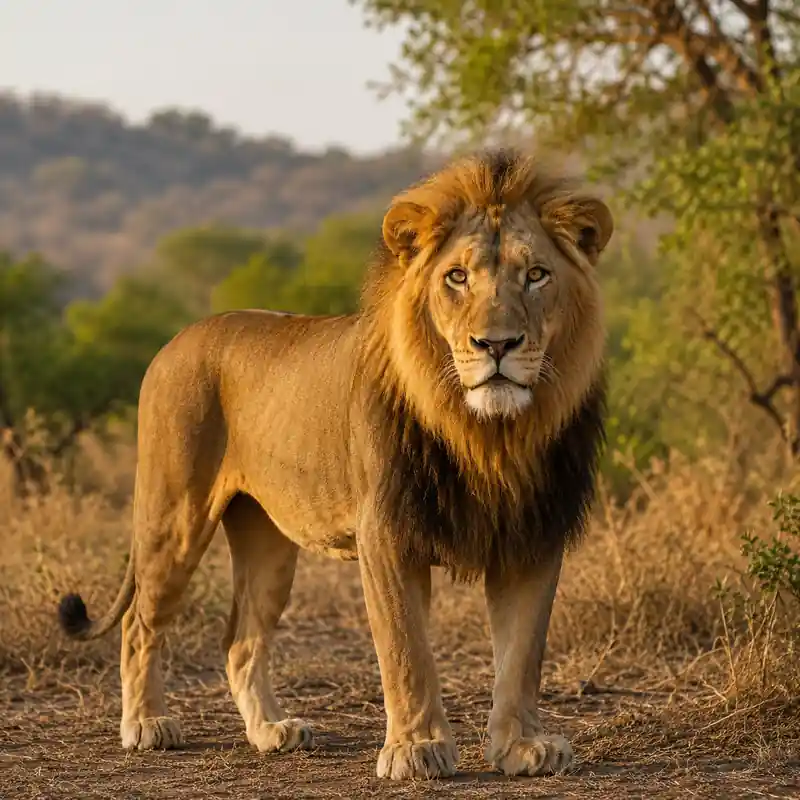
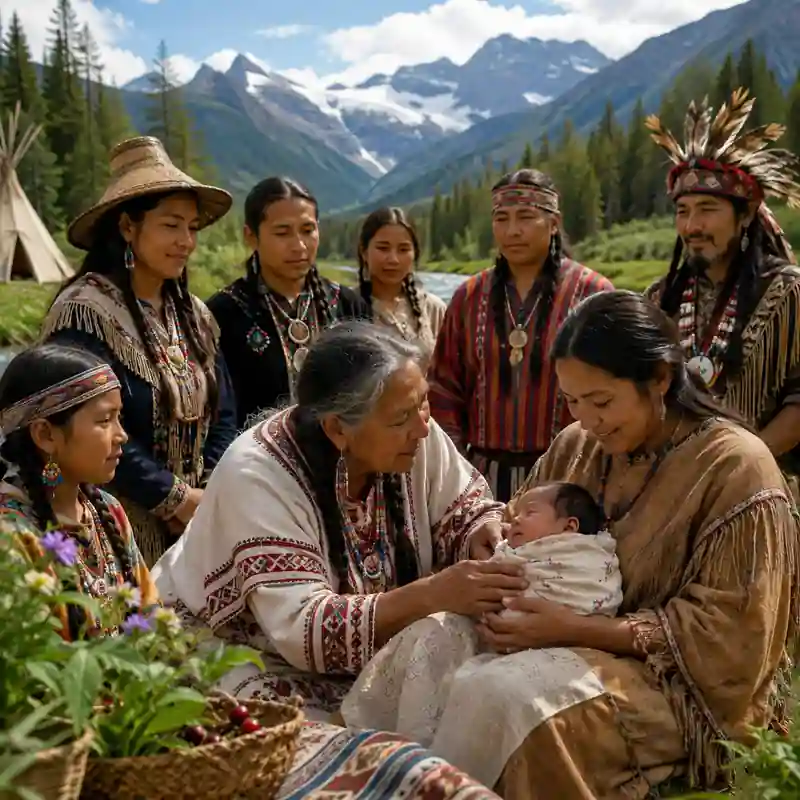
The United Nations will observe World Day to Combat Desertification and Drought on 17 June 2026 under the theme “Rangelands: Recognize. Respect. Restore.” The annual observance aims to raise awareness about land degradation, drought and the urgent need to protect ecosystems that support billions of people worldwide. This year, the spotlight is on rangelands—vast grasslands, shrublands and grazing areas that are essential for food production, biodiversity and climate resilience.
While forests often dominate environmental discussions, rangelands cover more than half of the Earth’s land surface and support the livelihoods of around two billion people. These landscapes provide nearly 70% of global livestock feed and help regulate water cycles, store carbon and sustain wildlife habitats. Yet many remain overlooked in conservation and development policies.
Why the UN Is Focusing on Rangelands in 2026
The 2026 theme reflects growing concern about the condition of the world’s rangelands. According to the United Nations Convention to Combat Desertification (UNCCD), up to half of global rangelands are degraded or at risk due to climate change, unsustainable land use, drought and increasing pressure on natural resources.
The campaign is built around three priorities. First, countries are encouraged to recognize the economic, ecological and cultural value of rangelands. Second, they are urged to respect the knowledge and stewardship of pastoralists, Indigenous Peoples and local communities who have managed these landscapes for generations. Finally, governments and organizations are being called on to restore degraded rangelands through sustainable land management, improved drought preparedness and community-led restoration initiatives.
Read More
Why Healthy Rangelands Matter
Land degradation is not only an environmental challenge. It directly affects food security, water availability, rural economies and climate adaptation efforts. Healthy rangelands improve soil quality, reduce erosion and strengthen resilience against extreme weather events. Their restoration can also contribute to global climate goals while supporting the communities that depend on them.
The global observance will be hosted by Kenya, where rangelands cover a significant portion of the country and play a vital role in supporting pastoralist livelihoods. The event also aligns with the International Year of Rangelands and Pastoralists 2026, reinforcing the need for long-term investment in sustainable land restoration.
According to the United Nations, restoring degraded land and strengthening drought resilience are among the most effective ways to protect livelihoods, biodiversity and future food systems.
The focus on rangelands also complements wider global environmental efforts. Similar themes of ecosystem protection, climate resilience and sustainable development were highlighted during World Environment Day 2026 and its focus on global climate action, showing how land restoration remains a key part of addressing environmental challenges worldwide.

Make Swikblog your go-to source on Google for reliable updates, smart insights, and daily trends.