
The FIFA World Cup 2026 has arrived in Canada with packed fan zones, international attention and hopes of a major tourism boost. Yet beyond the celebration, the tournament is also raising harder questions about traffic disruption, policing, public spending and how host cities balance global visitors with the needs of residents.
Toronto and Vancouver are hosting 13 matches during the expanded 48-team tournament, making Canada a central part of the largest FIFA World Cup in history. For football fans, it is a rare chance to experience the sport’s biggest event at home. For people living and working near the venues, however, the World Cup is also becoming a test of daily patience and city planning.
As crowds move through stadium areas, fan zones and transit hubs, the tournament is turning into more than a sports story. It is now a wider debate over whether short-term excitement and economic activity can justify the pressure placed on neighborhoods, public services and vulnerable communities.
Host Cities Face Pressure Beyond the Stadiums
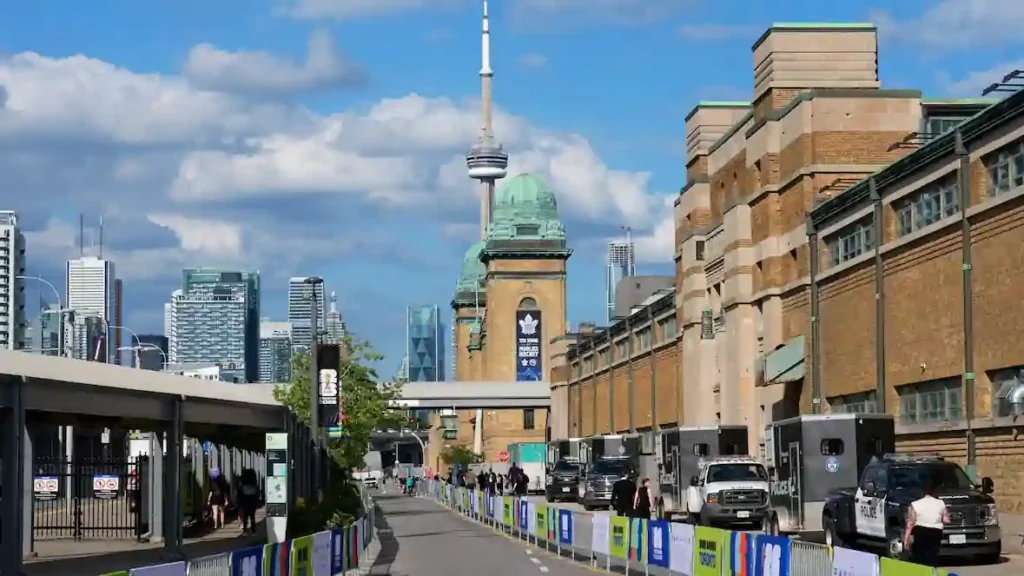
Major sporting events often bring visitors, spending and international visibility, but they also place heavy demands on local infrastructure. In Toronto, neighborhoods around Toronto Stadium, including Liberty Village and Fort York, are dealing with road closures, traffic restrictions and crowd-management measures designed to handle thousands of supporters.
Vancouver is facing similar challenges in parts of its downtown core, where match-day activity, public events and transportation changes are reshaping movement around busy areas.
City officials have urged people to walk, cycle or use public transit where possible. That advice may reduce vehicle traffic, but it does not erase the inconvenience for residents, workers, delivery drivers and small businesses that depend on predictable access.
Local businesses are seeing both opportunity and disruption. Restaurants, bars and retailers near fan activity may benefit from higher foot traffic, while service-based businesses and delivery-reliant operators face delays, route changes and staffing challenges during match days.
Security Concerns Add Another Layer to the Debate
Public safety has become one of the most closely watched issues of the tournament. Authorities have increased police and private security presence around stadiums, transit stations and public gathering areas while warning visitors about risks such as pickpocketing and petty theft.
For event organizers and city officials, stronger security is part of managing a global tournament. But for advocacy groups, the concern is how increased enforcement may affect people who are already vulnerable, especially unhoused residents who use public spaces and transit hubs.
Community advocates have warned that major events can create pressure to make cities appear cleaner and more controlled for visitors. That can lead to greater scrutiny of people without stable housing, particularly in visible areas such as major stations and downtown corridors.
Toronto officials have said outreach services, housing teams, health workers and security partners are coordinating during the tournament. Still, advocates argue that safety plans must be measured by how they protect all residents, not only visitors and fans.
Human Rights Plans Face a Real-World Test
Toronto and Vancouver prepared human rights action plans as part of their FIFA hosting commitments. These plans are meant to address accessibility, inclusion, public safety and community impacts during the tournament.
The challenge is whether those commitments hold up during the busiest days of the World Cup. Residents want clear communication about closures and crowd movement. Businesses want reliable access. Advocates want assurance that vulnerable people will not be displaced, ticketed or pushed out of public spaces because of the event atmosphere.
This is why the Canadian World Cup conversation has moved beyond football. The event is also testing how cities apply human rights principles under the pressure of international attention, security demands and crowded public spaces.
Transit Pressure Shows a Wider World Cup Challenge
The pressure on Toronto and Vancouver also fits a wider North American pattern, as host cities prepare for bigger crowds, strained transport systems and complicated stadium access. The same issue has already appeared in the debate over World Cup 2026 transit pressure, where fan travel, public transport gaps and city readiness have become part of the tournament story.
For Canadian host cities, the transportation question is especially important because match-day congestion affects more than fans. It affects commuters, hospital workers, hospitality staff, delivery services and residents who may have no choice but to move through crowded areas.
If transit systems perform well, the World Cup could strengthen confidence in urban mobility planning. If they struggle, frustration over closures and delays may become one of the tournament’s lasting memories for locals.
The Cost Debate Could Shape the Legacy
Public spending remains one of the biggest points of tension around the tournament. Supporters argue that hosting matches can create tourism revenue, lift local businesses and raise the international profile of Toronto and Vancouver.
Critics question whether the substantial public resources tied to hosting duties could have produced greater long-term benefits if invested in housing, transit, shelters or other community priorities.
The issue is not whether the World Cup is popular. It clearly has strong appeal. The deeper question is whether the benefits will be broad enough and lasting enough to justify the disruption and cost.
That question will not be answered during the opening matches. It will become clearer after the crowds leave, when cities assess visitor spending, security costs, business results, community complaints and any lasting improvements created by tournament planning.
Canada’s World Cup Moment Comes With a Stress Test
The FIFA World Cup 2026 gives Canada a powerful moment on the global sports stage. Toronto and Vancouver are welcoming fans from around the world, and many local businesses are eager to make the most of the opportunity.
But the tournament is also exposing the difficult trade-offs behind modern mega-events. A successful World Cup cannot be measured only by packed stadiums or television audiences. It must also be judged by how well host cities protect residents, support vulnerable people, manage public money and keep daily life functioning.
Read More
For official tournament information, schedules and updates, visit FIFA’s official World Cup 2026 page.
For Canada, the World Cup is both a celebration and a civic challenge. The matches may last only weeks, but the debate over safety, traffic and cost could shape how Toronto and Vancouver remember the tournament long after the final whistle.

Make Swikblog your go-to source on Google for reliable updates, smart insights, and daily trends.