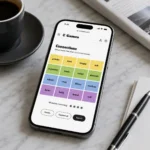

Millions of New Zealanders are expected to hear a loud emergency warning on their mobile phones tonight as authorities conduct a nationwide test of the Emergency Mobile Alert (EMA) system, a critical tool used to warn people about life-threatening events such as tsunamis, severe storms, flooding and other major emergencies.
The test, organised by the National Emergency Management Agency (NEMA), is scheduled to take place between 6pm and 7pm on Sunday, June 14. Around two million compatible mobile devices are expected to receive the alert, making it one of the country’s largest public safety communication exercises.
While the notification may briefly startle some people, officials say the annual test plays an important role in ensuring emergency warnings can reach the public when every minute matters.
What New Zealanders Should Expect Tonight
The Emergency Mobile Alert will arrive automatically on compatible phones connected to New Zealand mobile networks during the testing window. Unlike a normal text message, the alert uses cell broadcast technology, allowing authorities to send a warning directly to phones in a specific area without needing individual phone numbers.
The alert will include a loud attention-grabbing sound and vibration, even on many devices that are set to silent mode. Authorities say this feature is intentional because emergency warnings are designed to be noticed immediately, including during the night or when people are away from television, radio or online news sources.
This year’s test marks the ninth nationwide trial of the Emergency Mobile Alert system since it was introduced as part of New Zealand’s emergency preparedness strategy.
Why the Alert Sound Is Intentionally Difficult to Ignore
The distinctive alarm has become one of the most recognisable parts of the Emergency Mobile Alert system. NEMA says the sound follows an internationally recognised emergency warning standard used in multiple countries.
Officials acknowledge that the tone can be unpleasant, but they argue that effectiveness is more important than comfort during a genuine emergency. A warning that cuts through distractions can help save lives when people need to act quickly.
The system has previously been used during tsunami threats, severe weather events and other situations where authorities needed to communicate urgent instructions to large numbers of people.
Additional information about Emergency Mobile Alerts is available through New Zealand’s official emergency preparedness website.
Can You Avoid Receiving the Alert?
For most people, the answer is no. Emergency Mobile Alerts are designed to override silent settings on many compatible devices. Once the notification arrives, users can usually mute the sound by pressing the volume button and then read the message.
Authorities recommend reading the alert rather than dismissing it immediately. During a real emergency, the message could contain important instructions about evacuation routes, shelter locations or safety measures.
The only reliable way to avoid tonight’s test alert is to switch a phone off or place it in flight mode before the testing window begins.
Police Issue Advice for Hidden Safety Phones
Ahead of the test, police have issued a specific warning for people who keep hidden mobile phones for personal safety reasons. These devices are sometimes used by victims of family violence or individuals in vulnerable situations.
Because the alert can produce a loud sound even when a phone is not actively being used, authorities recommend turning concealed safety phones off during the testing period if there is any risk that the device could be discovered.
The advice highlights how emergency communication systems can affect different groups of people in different ways, even when the overall purpose is public safety.
Why Some People Receive Multiple Alerts While Others Receive None
One of the most common questions after previous tests has been why some phones receive multiple notifications while others do not receive one at all.
The answer lies in how cell broadcast technology works. Alerts are transmitted from mobile towers rather than sent to individual phone numbers. Someone travelling between coverage areas during the test may receive the message more than once as their device connects to different towers.
Likewise, people living in the same household may have different experiences depending on their phone model, software version, network provider and connection to nearby towers. Coverage boundaries are not perfectly defined, meaning some overlap can occur.
Why Emergency Mobile Alerts Matter
New Zealand faces a wide range of natural hazards, including earthquakes, tsunamis, flooding, landslides and severe coastal storms. Fast communication can be critical when communities need to take immediate action.
Read More
The importance of timely warnings has been demonstrated during major weather emergencies, including the Wellington state of emergency triggered by dangerous coastal swells and large-scale evacuations, where authorities relied on multiple channels to keep residents informed as conditions deteriorated.
Emergency Mobile Alerts do not replace emergency planning, local radio broadcasts or official updates, but they provide another layer of protection when traditional communication methods may not be enough.
For tonight’s nationwide test, officials are encouraging people to treat the alert as a reminder to review their emergency plans, ensure family members know what to do during a disaster and become familiar with a system that could one day provide life-saving information.

Make Swikblog your go-to source on Google for reliable updates, smart insights, and daily trends.