
Updated: June 29, 2026
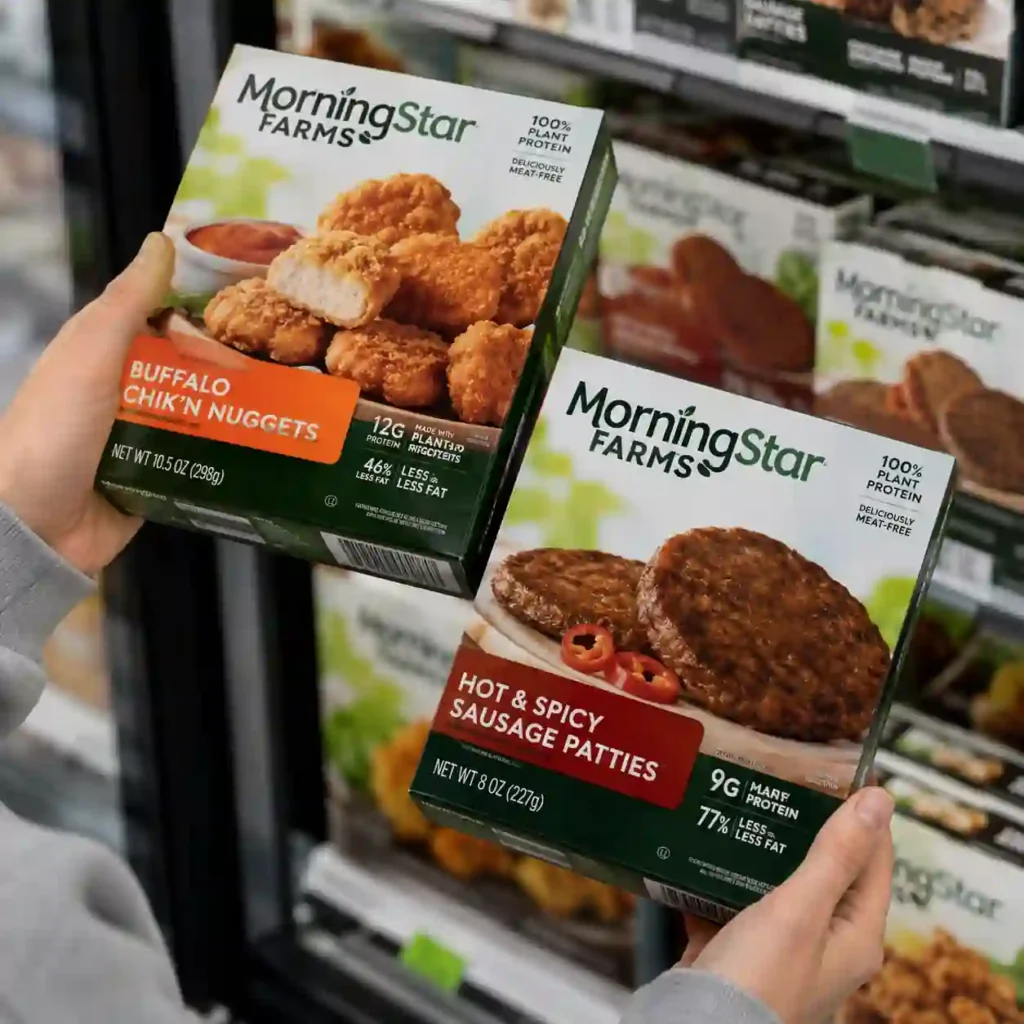
Morningstar Farms has recalled selected frozen plant-based products after discovering that some packages may contain small plastic fragments. The precautionary recall affects specific lots of Buffalo Chik’n Nuggets and Hot & Spicy Sausage Patties sold in the United States, Puerto Rico and Costa Rica.
Kellanova, the parent company of Morningstar Farms, said the recall is limited to identified production lots and does not affect the brand’s other products. Although no injuries have been reported, customers are urged not to consume the recalled items because foreign materials in food can present a choking or injury risk.
Which Morningstar Farms Products Are Included?
The recall covers two frozen Morningstar Farms products. Consumers should compare the package size, UPC code and “Better If Used Before” date with the information below.
Morningstar Farms Buffalo Chik’n Nuggets
- Package size: 10.5 ounces
- UPC: 000 28989 10110 5
- Better If Used Before: July 7, 2027 and July 8, 2027
Morningstar Farms Hot & Spicy Sausage Patties
- Package size: 8 ounces
- UPC: 000 28989 10094 8
- Better If Used Before: July 5, 2027, July 6, 2027 and July 7, 2027
No additional Morningstar Farms products are part of this recall.
What Should Consumers Do?
If you have one of the recalled products, do not prepare or eat it. Morningstar Farms recommends disposing of the affected product and contacting the company to receive a full refund.
Frozen foods often remain in household freezers for several months, so shoppers who purchased these products earlier in the year should take a few moments to inspect their packages.
Consumers can review the official notice and future updates through the U.S. Food and Drug Administration recalls and safety alerts database.
Why Plastic Fragments Can Trigger a Recall
Foreign-material recalls are issued whenever there is a possibility that non-food objects entered a product during manufacturing, packaging or transportation. Even if the number of affected packages is small, manufacturers typically act quickly to reduce potential risks.
Plastic fragments can be difficult to spot inside prepared foods. Depending on their size, they may cause choking, mouth injuries or damage to teeth. For that reason, food safety specialists recommend discarding recalled products instead of trying to inspect or separate the contents.
Companies frequently conduct internal investigations after this type of recall to determine where the contamination occurred and to prevent similar incidents in future production runs.
How Food Companies Narrow a Recall
Modern food manufacturing systems allow companies to trace products back to individual production batches. Rather than recalling every item under a brand, manufacturers can often identify the specific lots that may have been affected.
That is why UPC codes and best-by dates are essential. Two identical-looking packages may have been produced on different days, with only one qualifying for the recall.
Checking all three details—the product name, UPC code and date—is the most reliable way to determine whether a package should be discarded.
Food Recalls Continue Across Multiple Categories
Recent food recalls have involved a wide range of products, including frozen snacks, ready-made meals, sauces and packaged grocery items. Some recalls are issued because of undeclared allergens, while others involve bacterial contamination or physical materials such as plastic or metal.
Most recalls are precautionary and occur before injuries or illnesses become widespread, reflecting improvements in quality control and product traceability throughout the food industry.
Additional consumer safety updates can be found in the latest consumer recall and business news.
Read More
How to Check Products Already Stored at Home
Frozen products are often purchased in bulk and kept for future meals, making them more likely to remain in freezers after a recall is announced. Instead of relying on memory, customers should compare the packaging with the official recall details.
Look closely at the UPC code, package size and “Better If Used Before” date. If all of those details match the recall notice, the safest option is to throw the product away and request a refund from Morningstar Farms.
While this recall involves only two products and no injuries have been confirmed, it highlights the importance of paying attention to food safety notices and checking stored groceries whenever a manufacturer announces a recall.

Make Swikblog your go-to source on Google for reliable updates, smart insights, and daily trends.