
Updated: June 29, 2026
Melbourne is expected to experience the weakest housing market performance among Australia’s capital cities during 2026, with new forecasts pointing to a decline in home values even after the Reserve Bank of Australia (RBA) left interest rates unchanged.
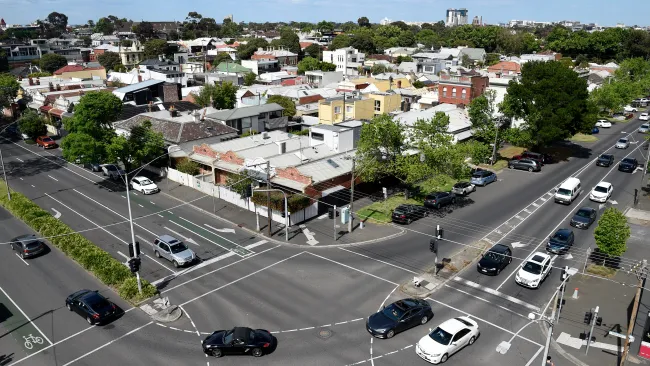
According to the latest outlook from realestate.com.au, Melbourne property prices are projected to fall by around 4% before the end of the year. Based on the city’s current median home value of about $995,000, that would reduce the typical property price to roughly $955,200 — a decline of nearly $40,000.
The forecast places Melbourne at the bottom of the performance rankings among Australia’s major capitals. Sydney is also expected to record a modest decline, while Brisbane, Perth, Adelaide, Canberra, Hobart and Darwin are forecast to continue posting price gains.
The difference highlights how Australia’s housing market is increasingly being shaped by local economic conditions rather than moving in a single national trend.
Melbourne Faces More Pressure Than Other Capitals
The RBA’s decision to keep the cash rate steady at 4.35% removed the possibility of another immediate increase in borrowing costs. However, economists note that previous interest rate rises continue to influence housing activity because changes in monetary policy often take months to work through the property market.
Higher mortgage rates have reduced borrowing capacity for many households. Buyers who qualified for larger loans two years ago may now find their budgets significantly reduced, limiting competition for higher-priced homes.
REA Group Executive Manager of Economics Angus Moore said earlier rate increases continue to weigh on borrowing power and buyer confidence, factors that are becoming increasingly visible in property market performance.
Melbourne’s relatively high home prices make the city particularly sensitive when borrowing limits tighten, as even small changes in lending capacity can affect demand.
Why Housing Markets Are Moving In Different Directions
Property markets across Australia are no longer responding in the same way to economic conditions. Population growth, interstate migration, employment opportunities and housing supply are having a greater influence on local price movements.
Markets with tighter housing availability and comparatively lower median prices have generally remained more resilient, while more expensive cities have seen buyer demand soften.
This shift suggests affordability has become one of the biggest drivers of purchasing decisions. Many buyers are prioritising regions where mortgage repayments remain more manageable, even if that means looking outside traditional high-demand markets.
Recent analysis explaining how Australia’s housing market has remained resilient despite higher interest rates outlines how limited housing supply has continued supporting prices in several parts of the country despite tighter financial conditions.
What The Interest Rate Pause Means
Although the central bank chose to leave rates unchanged this month, policymakers have indicated that future decisions will depend on inflation and broader economic data.
That uncertainty continues to affect purchasing decisions. Some prospective buyers are delaying major financial commitments while waiting for clearer signs that borrowing costs have peaked.
Existing homeowners are also adjusting household budgets. Mortgage repayments remain considerably higher than they were before the RBA began lifting interest rates, reducing disposable income for many families.
For borrowers with a $600,000 mortgage over 25 years, the cumulative effect of previous rate increases has added hundreds of dollars to monthly repayments compared with earlier loan costs.
Official monetary policy announcements and economic updates are available from the Reserve Bank of Australia.
Read More
What It Could Mean For Buyers And Investors
A slower market may create more opportunities for buyers who have struggled to compete during previous years of rapid price growth. Properties can spend longer on the market when demand eases, giving purchasers more time to compare options and negotiate.
However, lower property prices do not necessarily translate into cheaper home ownership. Elevated borrowing costs mean mortgage repayments remain a major consideration, even if purchase prices become slightly more affordable.
Property investors are also weighing two competing factors. Softer prices may improve entry opportunities, but slower capital growth and higher finance costs could reduce short-term investment returns.
What To Watch During The Rest Of 2026
Melbourne’s housing outlook will depend on several factors over the coming months, including inflation, employment conditions, population growth and future interest rate decisions.
If inflation continues easing and borrowing costs eventually begin to fall, housing demand could strengthen again. On the other hand, if interest rates remain elevated for longer than expected, buyer activity may stay subdued.
For now, Melbourne remains one of Australia’s most closely watched property markets as homeowners, buyers and investors monitor whether the projected decline becomes reality before the end of 2026.

Make Swikblog your go-to source on Google for reliable updates, smart insights, and daily trends.