
Updated: July 1, 2026
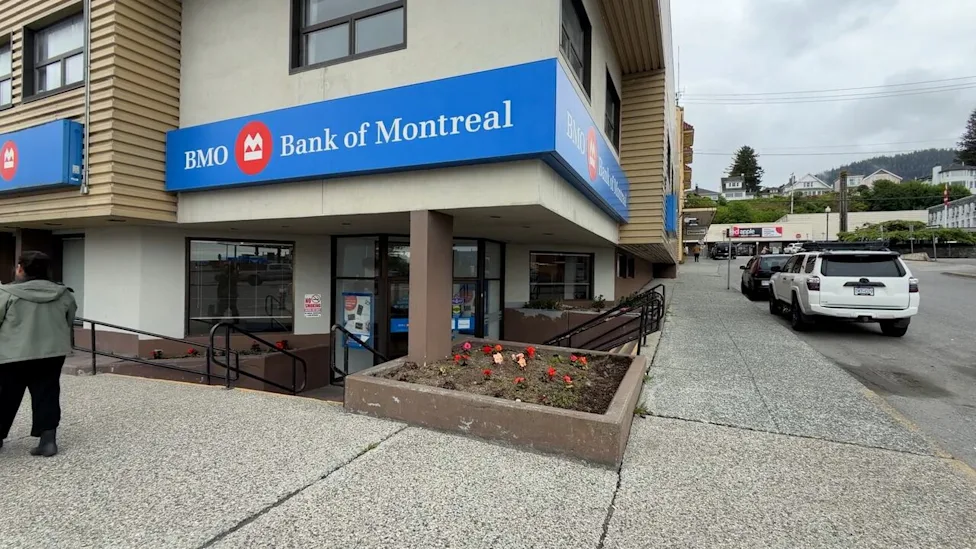
Bank of Montreal (BMO) has permanently closed its Prince Rupert branch after more than five decades of serving the northern British Columbia community, ending local in-person banking services that many residents had relied on since the 1970s. The branch shut its doors on June 19, leaving Terrace, about 90 minutes away by road, as the nearest full-service BMO location.
BMO said the decision reflects changing banking habits, with more customers using mobile apps, online banking and telephone services. However, the closure has raised concerns among longtime customers who still depend on face-to-face assistance for everyday financial transactions.
A 51-Year Banking Presence Comes to a Close
The Prince Rupert branch had served local families, businesses and retirees since 1975, becoming a familiar part of the community. For many customers, visiting the branch was about more than completing transactions. It was a place where staff knew customers personally and could provide guidance on everything from daily banking to larger financial decisions.
One of those customers is longtime resident Amy Wong, who said she regularly visited the branch to pay bills, deposit money and speak directly with employees she had known for years.
With the branch now closed, Wong plans to move her accounts to another financial institution because travelling to Terrace for routine banking is not practical. While the drive may be manageable for some people, it can be much more difficult for older adults, those without personal transportation or residents with mobility challenges.
Wong said she has attempted to use online banking but still finds in-person service more comfortable and reliable, particularly when dealing with important financial matters.
Why the Closure Matters for Older Customers
Canada’s banking industry has changed rapidly over the past decade as more customers choose digital services. Mobile banking apps now allow users to transfer money, pay bills, deposit cheques and manage investments without visiting a branch.
Although those services have improved convenience for many people, the transition has not been equally easy for every customer.
Prince Rupert resident Andrea Anderson said she has adapted to online banking herself but has watched friends struggle with the closure. Some are unsure which bank to move to, while others remain uncomfortable relying entirely on digital platforms.
Many seniors continue to value face-to-face conversations when handling finances, particularly when discussing larger transactions, solving account issues or protecting themselves from fraud. Losing a nearby branch can therefore affect confidence as much as convenience.
Local Businesses See Broader Community Effects
The Prince Rupert Chamber of Commerce believes the impact extends beyond personal banking.
Business owners often depend on local banking relationships for financing, commercial services and day-to-day operations. A nearby branch can make it easier to meet with advisors, discuss lending options and manage business accounts.
The timing of the closure has drawn attention because Prince Rupert continues to attract significant investment through port expansion and export infrastructure projects. Despite that economic activity, several consumer services have disappeared in recent years, including major retail outlets.
That contrast has prompted discussion about whether growing investment in large projects is translating into better access to everyday services for local residents. Similar questions have surfaced as Canada’s economy continues adjusting to slower growth outlined in the country’s latest GDP forecast.
Read More
Part of a Nationwide Banking Shift
The closure reflects a wider trend across Canada as financial institutions continue reducing their physical branch networks while expanding digital services. According to the Canadian Bankers Association, online and mobile banking have become the preferred choice for many Canadians handling everyday transactions.
Industry analysts point to several reasons for the shift, including lower foot traffic, higher operating costs, increased investment in technology and growing competition from digital-first financial companies.
Maintaining a traditional branch network requires staffing, security and property expenses that many banks now balance against changing customer behaviour. As a result, institutions increasingly focus on digital platforms while consolidating physical locations.
BMO has said affected customers can continue using online, mobile and telephone banking, along with nearby branches. Even so, the response in Prince Rupert shows that personal banking remains important for many people, especially those who value direct advice and familiar local support.
For residents now adjusting to the change, the closure represents more than the loss of a building. It marks the end of a banking relationship that had been part of the community for more than half a century and highlights the ongoing challenge of ensuring financial services remain accessible as banking continues to evolve.

Make Swikblog your go-to source on Google for reliable updates, smart insights, and daily trends.