
Updated: June 29, 2026
Dog owners who ignore restrictions at one of Newcastle’s protected coastal habitats could face a $330 fine, but conservation groups say penalties alone are not stopping repeated disturbances to vulnerable shorebirds. The concern centres on Cowrie Hole, a rocky section of coastline beside Newcastle Beach in New South Wales, where threatened bird species rely on quiet conditions to feed and breed.
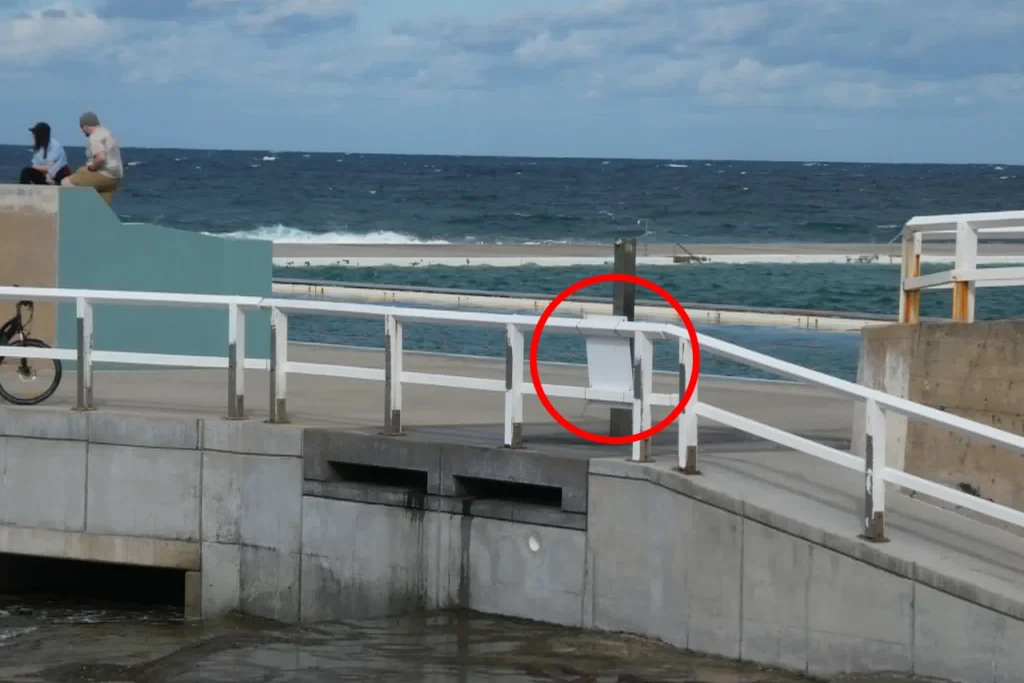
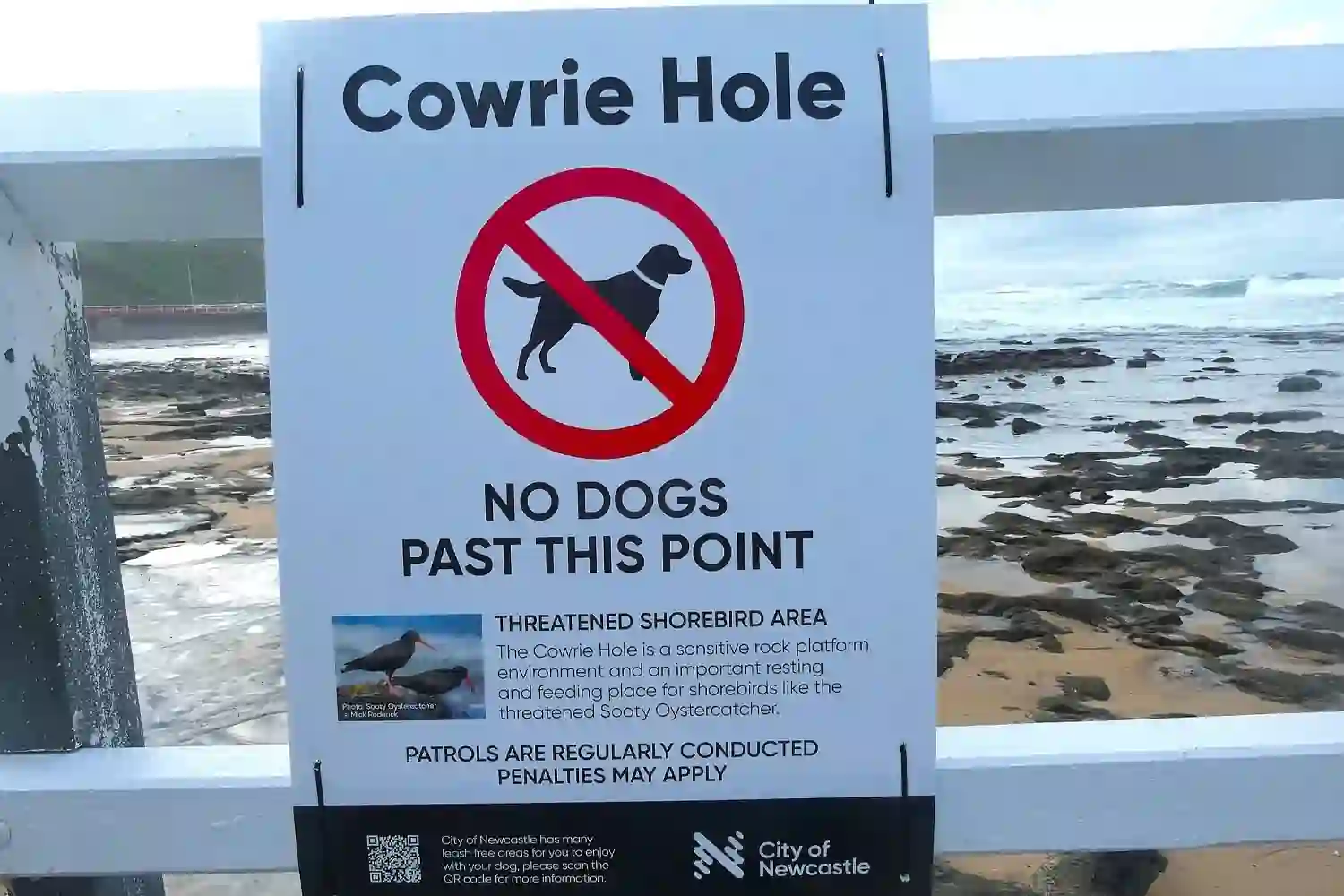
Although warning signs have been installed and the area is clearly marked as unsuitable for dogs, local conservation volunteers say some visitors continue entering the restricted zone. Wildlife advocates fear repeated human activity, particularly from dogs, could reduce breeding success for one of the state’s vulnerable coastal bird populations.
Cowrie Hole has become a sensitive conservation area
Cowrie Hole is more than a popular lookout. Its rock platforms and shoreline provide feeding and nesting habitat for several native bird species, including the vulnerable sooty oystercatcher.
To reduce disturbance during important breeding periods, warning signs were placed around the site in May. Local birdwatcher Neal Hohnke said those signs disappeared within days before being replaced the following month.
Despite the renewed signage, he says some people continue walking beyond the restricted boundary with their dogs. In one encounter, a dog owner reportedly dismissed concerns by saying they were local residents, highlighting the ongoing tension between public recreation and wildlife protection.
Why the sooty oystercatcher needs undisturbed beaches
The sooty oystercatcher is recognised by its black feathers, bright red bill and loud alarm calls. In New South Wales, the species is listed as vulnerable because suitable coastal breeding habitat has become increasingly limited.
Unlike many birds that build nests in trees or dense vegetation, sooty oystercatchers lay their eggs directly on open beaches and rocky shorelines. These exposed nesting sites leave eggs and chicks highly vulnerable to disturbance from people, domestic animals and predators.
When dogs or people approach, adult birds often leave their nests and attempt to draw attention away by calling loudly or flying around intruders. While this behaviour helps protect eggs from immediate danger, repeated interruptions reduce feeding time and increase stress during the breeding season.
Even responsible dog owners can unintentionally cause problems
Wildlife specialists say the issue is not limited to unleashed dogs. Birds naturally respond to the appearance, movement and scent of dogs in much the same way they react to wild predators.
Even a short visit through a nesting area can cause birds to abandon eggs temporarily or avoid returning to important feeding grounds. If disturbances occur repeatedly over several weeks, breeding success can decline significantly.
These impacts are often difficult to notice because birds usually return after people leave. However, conservation experts warn that repeated interruptions throughout the nesting season can gradually reduce the number of chicks that survive.
Similar conservation concerns have emerged elsewhere along Australia’s coastline as native seabirds face increasing pressure from habitat loss and changing environmental conditions. Recent reports about dead seabirds washing ashore in Australia have highlighted how multiple environmental pressures can affect coastal wildlife.
City of Newcastle asks visitors to follow the rules
The City of Newcastle says the restrictions are intended to protect sensitive wildlife rather than limit public access to the coastline. Visitors are encouraged to use nearby areas where dogs are permitted while avoiding locations identified as important nesting habitat.
Council officials note that even calm, well-trained pets can unintentionally trigger defensive behaviour in shorebirds, making compliance with the restrictions an important part of local conservation efforts.
More information about threatened shorebirds and habitat protection is available through the NSW threatened species program.
Read More
Balancing public access with wildlife protection
The debate at Cowrie Hole reflects a challenge facing many Australian coastal communities. Beaches and rocky foreshores are popular destinations for walking, fishing and exercising pets, yet they are also essential breeding areas for wildlife that depends on quiet, undisturbed habitat.
Conservation groups say protecting these areas does not require major changes from visitors. Respecting warning signs, avoiding restricted sections of coastline and choosing designated dog-friendly locations can reduce disturbance during critical breeding periods.
Authorities hope greater public awareness, combined with enforcement where necessary, will help safeguard vulnerable shorebird populations while allowing people to continue enjoying Newcastle’s coastline responsibly.

Make Swikblog your go-to source on Google for reliable updates, smart insights, and daily trends.