
Updated: July 6, 2026
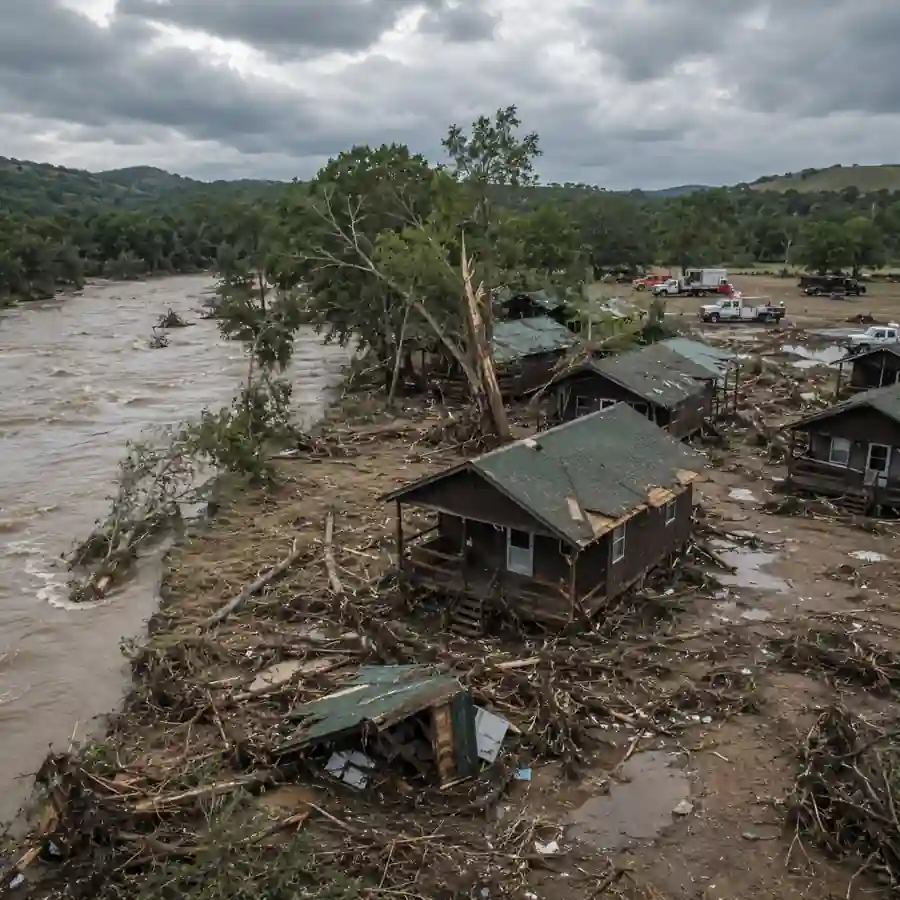
Camp Mystic, the all-girls summer camp in Kerr County, Texas, where 28 people died in the July 4, 2025 flash flood, has filed for Chapter 11 bankruptcy protection as lawsuits and financial claims tied to the disaster move into federal court.
The bankruptcy case was filed on June 24, 2026, in the U.S. Bankruptcy Court for the Southern District of Texas. Camp Mystic LLC listed debts of more than $10 million, with estimated liabilities between $10 million and $50 million and assets between $1 million and $10 million.
The filing came days after Texas lawmakers released a final investigative report that found serious gaps in the camp’s emergency planning, evacuation decisions and flood response.
Chapter 11 Case Includes Camp Mystic Affiliates
Camp Mystic LLC and three related entities sought protection under Chapter 11 of the U.S. Bankruptcy Code. The affiliated companies named in the case are Natural Fountains Properties Inc., Mystic Camps Family Partnership Ltd. and Mystic Camps Management LLC.
The case has been assigned to Judge Christopher M. Lopez. Chapter 11 allows a company to reorganize its finances while dealing with creditor claims, but it does not decide whether the camp is legally responsible for the flood deaths.
For families pursuing wrongful-death claims, the bankruptcy process may now shape how claims are organized, negotiated and potentially paid.
State Report Found Major Emergency Planning Failures
The Texas legislative investigation said Camp Mystic did not have adequate written emergency plans or evacuation measures for the flood risk facing the property.
Investigators found that weather alerts were issued before the worst flooding arrived, but campers were not moved early enough from vulnerable cabins near the water.
The report also criticized staff training, communication and reunification efforts after the disaster. It described a response that became overwhelmed as water rose quickly across the camp.
How the July 4 Flood Developed
Camp Mystic sits in Hunt, Texas, along the Guadalupe River in the Texas Hill Country, an area known for fast-moving flash floods.
The National Weather Service issued a flood watch on July 3, 2025. A flash flood warning followed at 1:14 a.m. on July 4 for the area that included Camp Mystic.
According to the investigation, camp leaders began responding to rising water overnight, but evacuations started too late to protect every cabin safely.
Some campers and counselors were moved by vehicle to higher ground. Others were told to walk or self-evacuate as roads and paths became dangerous.
Evacuation Efforts Turned Dangerous Within Minutes
The report described several evacuation attempts between about 3 a.m. and 4 a.m. as water levels rose from shallow road flooding to conditions that became impossible for vehicles and rescuers.
Bug House, Look Inn and Hang Out were among the first areas evacuated. Other cabins, including Tumble Inn, Jumble House, Nut Hut, Chatterbox, Bubble Inn, Twins I and Twins II, became part of later rescue efforts.
Longtime camp director Dick Eastland died while trying to help campers. His son, Edward Eastland, was later listed in bankruptcy documents as manager of Camp Mystic LLC.
28 People Died in the Camp Mystic Flood
The flood killed 25 campers, two counselors and Dick Eastland.
The campers who died were May Grace Baker, Margaret Bellows, Lila Bonner, Molly DeWitt, Lucy Dillon, Ellen Getten, Hadley Hanna, Virginia Hollis, Janie Hunt, Mary Kate Jacobe, Lainey Landry, Hanna Lawrence, Rebecca Lawrence, Kellyanne Lytal, Sarah Marsh, Linnie McCown, Blakely McCrory, Wynne Naylor, Eloise Peck, Abby Pohl, Margaret Sheedy, Renee Smajstrla, Mary Barrett Stevens, Greta Toranzo and Cecilia “Cile” Steward.
Counselors Chloe Childress and Katherine Ferruzzo also died.
Investigators said the deaths were concentrated around cabins that were especially exposed to rising water, including Bubble Inn and Twins I and II.
Why the Camp Did Not Reopen
Camp Mystic had previously considered reopening for the 2026 summer season, but those plans changed after public criticism, licensing questions and objections from some victims’ families.
In May 2026, the Eastland family said the camp would remain closed.
The bankruptcy filing now makes the camp’s future even more uncertain, while legal and financial questions continue in court.
Legal Claims May Move Through Bankruptcy Court
Chapter 11 can pause many lawsuits while a bankruptcy court reviews the company’s finances and claims against it.
That means families seeking accountability may have to pursue parts of their claims through the bankruptcy process rather than only through separate civil lawsuits.
The court process could examine insurance coverage, property assets, creditor claims and how any available money may be distributed.
Camp Safety Debate Grows After Texas Flood
The Camp Mystic tragedy has renewed questions about whether youth camps near rivers, creeks and flood-prone land should face stronger emergency rules.
Key issues include written evacuation plans, overnight weather monitoring, staff authority during emergencies, flood drills and cabin placement in high-risk areas.
The disaster also came as Texas communities continued to face dangerous flooding events, including recent flash flooding in San Antonio that caused power outages, submerged vehicles and major travel disruption.
Flood safety guidance from the National Weather Service warns that flash floods can become life-threatening within minutes, especially at night when visibility is poor and people are asleep.
As the bankruptcy case moves forward, the state investigation is expected to remain central to questions about planning, accountability and whether earlier evacuation decisions could have saved lives at Camp Mystic.

Make Swikblog your go-to source on Google for reliable updates, smart insights, and daily trends.