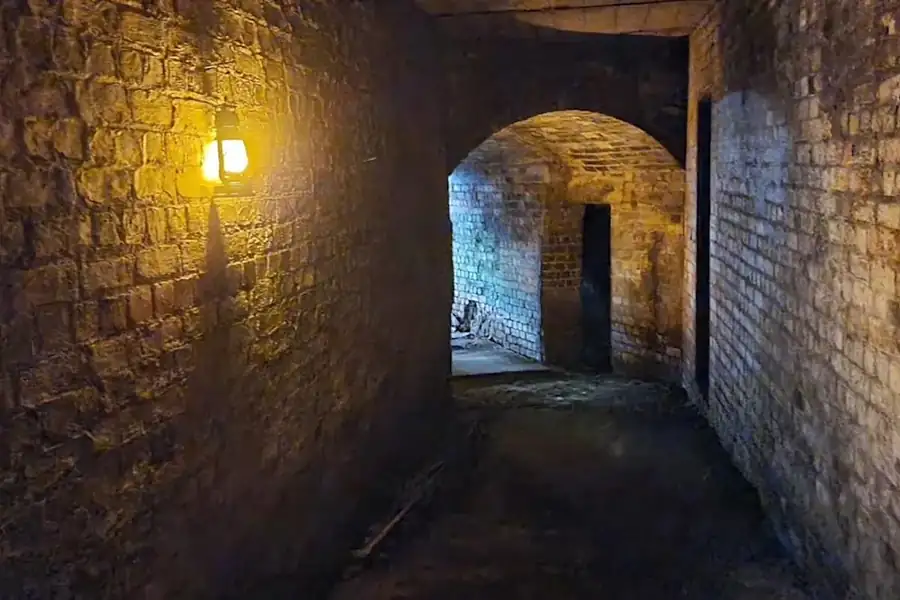

A rarely seen underground part of England’s glassmaking past is being prepared for public access, as Stourbridge Glass Museum plans to turn its 250-year-old tunnel network into a new heritage attraction. The West Midlands museum says the tunnels, which sit beneath the former White House Glass Cone site, will be opened to visitors as part of a wider redevelopment designed to make the town’s industrial story more accessible, visual and family-friendly.
The project matters because it moves Stourbridge’s glass history beyond display cabinets. Instead of only viewing finished pieces, visitors will be able to explore part of the working infrastructure that helped support generations of glassworkers. The underground passages were used to store materials, regulate conditions and support production at a time when glassmaking depended on heat, timing, skill and careful handling.
A hidden layer of Stourbridge’s glass story
Stourbridge has long been associated with fine glass, but the new tunnel project adds a different perspective to that legacy. The museum already tells the story of around 400 years of local glassmaking, with collections that include engraved glass, twisted-stem drinking glasses, vases, candlestick holders and other decorative objects.
The tunnels will help explain what happened before those finished pieces reached homes, hotels and collectors. They point to the industrial systems behind the artistry: where materials were kept, how production spaces were managed and why the site developed around specialist glassmaking needs.
For a market town with a deep craft identity, opening the tunnels could create a stronger reason for visitors to travel to Stourbridge rather than simply read about its history from a distance.
Immersive technology will shape the visitor experience
The museum plans to use virtual reality, animated projection and projection mapping to bring the underground route to life. The aim is to show the glassmaking process in a way that is easier for modern visitors to understand, especially families, school groups and tourists who may be new to the subject.
That approach could make the attraction more than a tunnel walk. By combining the historic space with visual storytelling, the museum can show how glass was made, why the tunnels mattered and how Stourbridge workers contributed to a craft that became known far beyond the region.
- The tunnels are around 250 years old.
- They are connected to Stourbridge’s historic glassmaking industry.
- The project will create a public-facing underground visitor experience.
- VR and projection mapping will be used to explain the glassmaking process.
- The opening date has not yet been confirmed.
Safety and access work comes first
The museum has made clear that public access will depend on improvements being completed first. These include health and safety upgrades, lighting, signage and better visitor flow through the underground areas.
That preparation is important because the tunnels were not originally designed as a modern tourist route. Underground heritage spaces can include uneven surfaces, restricted movement and limited visibility, so the museum must balance authenticity with safe public access.
Current visitor information can be found through the museum’s official Stourbridge Glass Museum website, which provides updates on exhibitions, demonstrations and visitor access.
Why the project matters for the Black Country
The tunnel attraction is also being positioned as part of a wider push to strengthen heritage tourism in the Black Country. Museum director Alexander Goodger has said the redevelopment is intended to improve the site for local people, widen its appeal and encourage more tourists to visit the area.
That could benefit more than the museum. A distinctive attraction can support nearby cafes, restaurants, hotels and independent businesses by encouraging visitors to spend more time in the town. Heritage tourism often works best when a site gives people a clear reason to plan a day out, extend a trip or explore surrounding local businesses.
Dudley Mayor Pete Lowe welcomed the plan with the Black Country phrase “Bostin’”, underlining the local pride attached to the project.
A site shaped by old craft and modern decline
The tunnel project also sits within a more recent industrial story. The former Stuart Crystal factory once operated on the site before closing in 2001. That closure became part of the wider decline of traditional glassmaking in the area, making today’s museum-led redevelopment especially meaningful.
Rather than allowing the site’s history to fade, the new attraction will reuse its hidden spaces to explain what made the Glass Quarter important. It connects the town’s older craft traditions with a modern visitor economy built around culture, education and local identity.
Read More
Rare glass cones add to the site’s importance
Stourbridge’s glassmaking heritage is closely linked to the glass cone, a tall brick structure built around a furnace. Inside, workers shaped molten glass while heat and gases escaped through the top of the cone.
Glass cones are now extremely rare in the UK, with only four surviving examples. One stands near the museum, giving visitors a visible reminder of how distinctive this industrial landscape once was.
For travellers interested in unusual UK attractions, the tunnels could become part of a wider heritage route through the area. Readers following destination stories can also explore more travel and heritage updates as historic sites find new ways to attract modern visitors.
When the tunnels finally open, Stourbridge Glass Museum will offer something unusual: a chance to go beneath the town’s surface and understand the hidden spaces that supported one of England’s most distinctive craft industries.

Make Swikblog your go-to source on Google for reliable updates, smart insights, and daily trends.